The Gulf spill, renewed attention to federal deficit, and summer driving prompts the Washington Post to advocate for a gradual increase in the all-time low federal gas tax, while acknowledging 'fierce' opposition by the electorate and politicians.


The editorial notes how "cheap" driving is today, and refers to the July 2, USA Today analysis (posted on Planetizen) that shows that the current gas taxes are the lowest in history when evaluated with miles driven and income earned.
"We're driving more miles but paying less for the privilege. Small wonder that alternative-fuel vehicles struggle in economic competition with the internal combustion engine. Or that transportation infrastructure is crumbling across the nation...
Any increase should probably be phased in so as not to remove abruptly what has turned into a de facto economic stimulus program.
Motorists hate taxes, of course, and politicians regularly bow to their resistance. But the truth is that few measures would generate more public benefits in return for less sacrifice."
Thanks to Bill Myers
Read the full story: Tax truth: We need to raise the levy on gasoline

Raise The Gas Tax AND Switch To VMT Fee, Says Commission
The National Surface Transportation Infrastructure Financing Commission advises Congress that the U.S. is in an infrastructure crisis, and that they must raise the gas excise tax by ten cents now and begin the switch to a VMT fee.
A Second Federal Commission Pushes Fuel Tax Hike
Exactly a year after the National Surface Transportation Policy and Revenue Study Commission released its report calling for a fuel tax hike, the National Surface Transportation Infrastructure Financing Commission calls for much of the same.
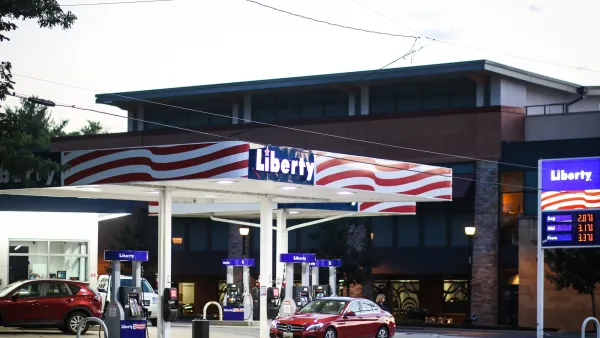
Why does Maryland's gas tax change every year?
The state's annual gas tax update may still not be enough to keep up with changes in the transportation sector and rising project costs.

Planetizen Federal Action Tracker
A weekly monitor of how Trump’s orders and actions are impacting planners and planning in America.

The state-sanctioned urbicide of Austin
People don’t kill cities. Freeways do.

Colorado’s Largest Data Center Could Rise Next to Homes — Without a Public Hearing
The proposed campus would consume 11 times the power of Denver International Airport; as it has across the country, opposition mounts.
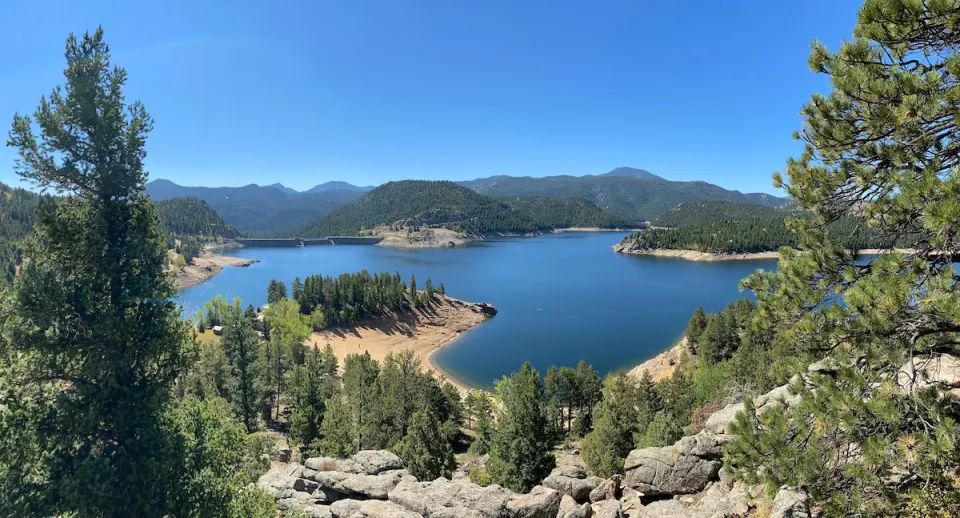
Judges permit Denver to divert 77,000 acre feet from the Colorado River for reservoir expansion
Overuse and climate change have caused the Colorado River’s water levels to plummet.
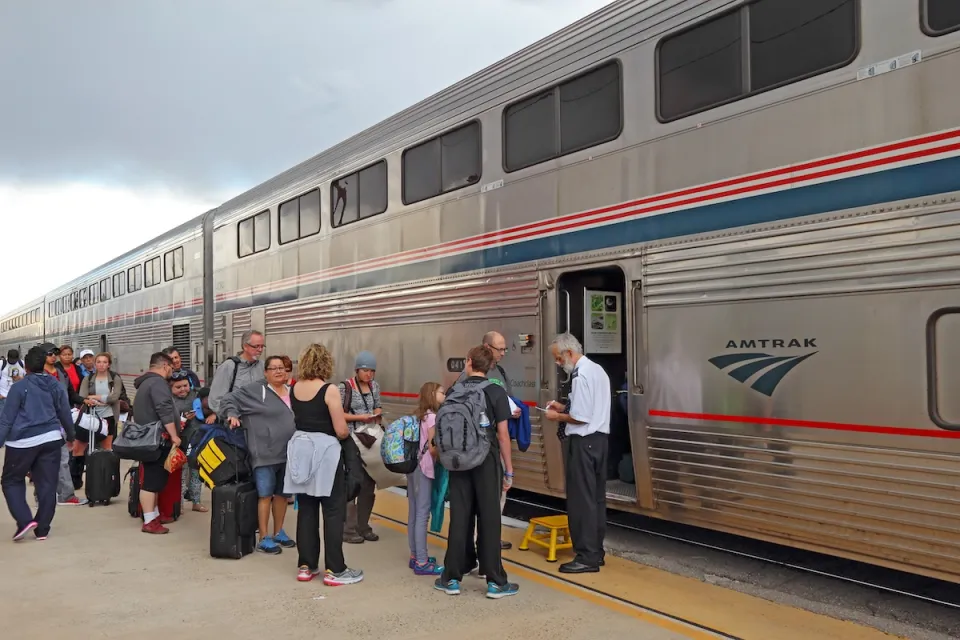
Amtrak, CN end decades-long dispute with eight-year agreement
The new operating agreement establishes an updated framework for the companies to work together, including processes to resolve disputes.
Raised interest rates may kill financially vulnerable construction projects
The chief economist at ConstructConnect warns that if construction project owners are negatively impacted by the raised rates, it could result in delayed payments to contractors.

FREE Course: Walkable City 1: Why Walkability?
After describing his path towards focusing on walkability as the essence of good planning, Jeff Speck marches through his five principal reasons for making more walkable places.
Reinventing Malls: Planning Alchemy—Turning Gray Fields Into Gold
The course focuses on the opportunities and imperatives that shape reinvention of mall sites.

Greater Baltimore Committee
Eagle County Government
Harvard University Graduate School of Design
The Architects Foundation
University of Cincinnati Online
The Pocatello Development Authority
The Urban Renewal Agency of the City of Pocatello
Journal of the American Planning Association