Infrastructure for pedestrians and cyclists in Indian cities is glaringly absent, says Prof. Sudhir Chella Rajan. India needs to decide between an auto-oriented future like the U.S. or a European, pedestrian model.


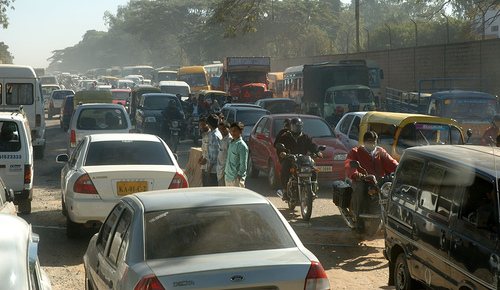
Sudhir Chella Rajan, a professor of Humanities and Social Sciences at the Indian Institute of Technology-Madras and Coordinator of their Indo-German Centre for Sustainability, says Indian policy makers find themselves at a critical juncture: they appear unsure of whether to follow the United States' 20th century model of car-dominated development – favoring increased motorization and suburbanization – or Northern Europe's more progressive model of giving pedestrians, bikes and buses the priority over private vehicles.
In India, motorization has expanded much quicker than the development of transportation infrastructure that supports all the cars, along with bikers and pedestrians. Building infrastructure centered on sustainable accessibility would avoid a dismal future for those on foot or bike, protect community life and the poorest citizens, and foster livable development in India and beyond.
Thanks to Garrett
Read the full story: Manifesto for Urban Accessibility in India

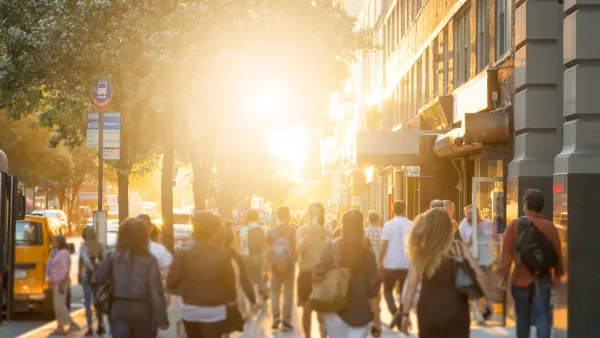
A Fair Share for Walking
Most people value walkability, yet most communities underinvest in pedestrian facilities. Some jurisdictions are investing more in sidewalks and crosswalks in order to better serve community values.
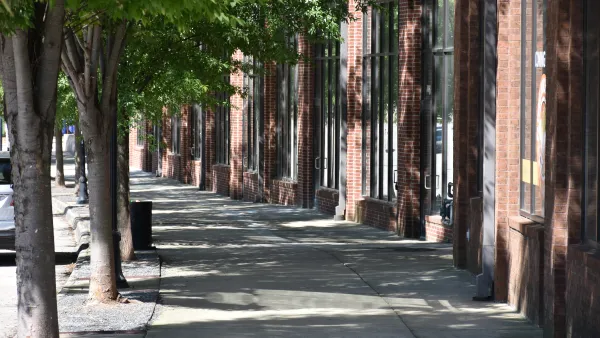
Cool Walkability Planning
Shadeways (covered sidewalks) and pedways (enclosed, climate controlled walkways) can provide comfortable walkability in hot climates. The Cool Walkshed Index can help plan these facilities.
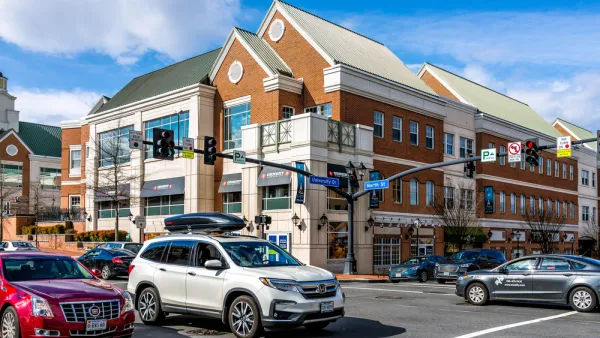
Shifting the Focus for Transportation Planning in Fairfax County
Fairfax County wants to move away from a heavy reliance on level of service in favor of more pedestrian- and transit-oriented planning.

Planetizen Federal Action Tracker
A weekly monitor of how Trump’s orders and actions are impacting planners and planning in America.

The state-sanctioned urbicide of Austin
People don’t kill cities. Freeways do.

US to reduce Colorado River water deliveries to Mexico
A new Colorado Treaty amendment reduces Mexico’s Colorado River water allocation by 250,000 acre feet.

Nation's most wind-powered state turns to coal as data centers increase energy demand
For the first time in decades, Iowa has increased its generation of coal power.

NYC cools commuters with city's first rain garden above a bus stop
New York City officials say the plants in the rain garden can absorb 16 gallons of rainwater during heavy storms.

Brightline West’s future may rely on $6 billion federal loan
The company has until Nov. 2 to make a $400 million equity investment into its proposed high-speed rail line.

FREE Course: Walkable City 1: Why Walkability?
After describing his path towards focusing on walkability as the essence of good planning, Jeff Speck marches through his five principal reasons for making more walkable places.
Reinventing Malls: Planning Alchemy—Turning Gray Fields Into Gold
The course focuses on the opportunities and imperatives that shape reinvention of mall sites.

Greater Baltimore Committee
Eagle County Government
Harvard University Graduate School of Design
The Architects Foundation
University of Cincinnati Online
The Pocatello Development Authority
The Urban Renewal Agency of the City of Pocatello
Journal of the American Planning Association