Over the last decade, infrastructure went from the realm of policy wonks to the front pages. the Alex Marshall argues that this bodes well for infrastructure in the future.


"I posit that the 'aughts,' as they have been called, were the decade of infrastructure. Sure, maybe we didn't spend enough on it, or even more than in previous decades (I know of no official list of infrastructure projects, so it's hard to tell). But I would argue that infrastructure did crystalize as a subject for the first time in the hearts and minds of the country's citizens and opinion leaders as a subject worthy of attention and focus. A decade ago, the word "infrastructure" was hardly known outside the specialized worlds of public works departments. Now editorial writers bandy it about without explanation and debate how much we should spend on it."
Alex Marshall suggests that widespread understanding about infrastructure will enable more intelligent investment in the coming years.
Read the full story: Spotlight Vol. 9, No. 3: Becoming Into Being: Infrastructure In Mind
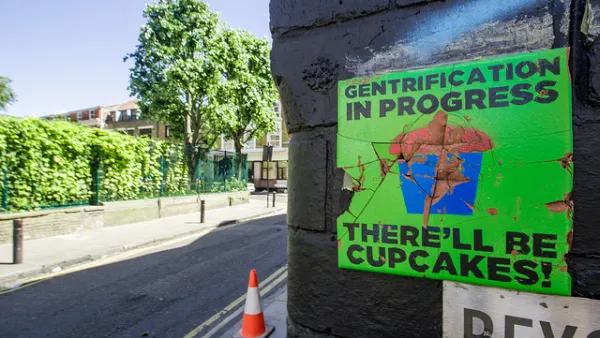
Who’s Afraid of Gentrification?
Examining the complex sources of concerns about displacement and opposition to investment in low-income neighborhoods.
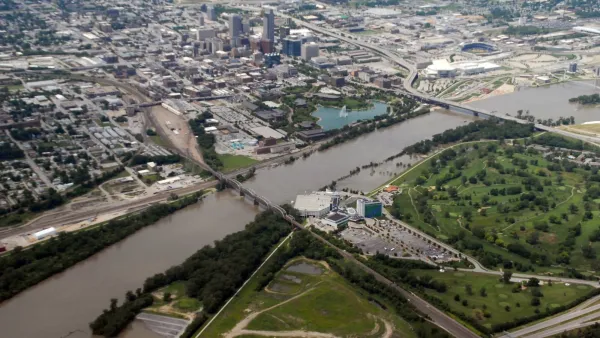
'Extremely Blighted' Designation Spurs Investment in Nebraska Cities
Neighborhoods in Nebraska, located in areas already deemed blighted, will receive priority funding and homebuyer tax credits from the state.
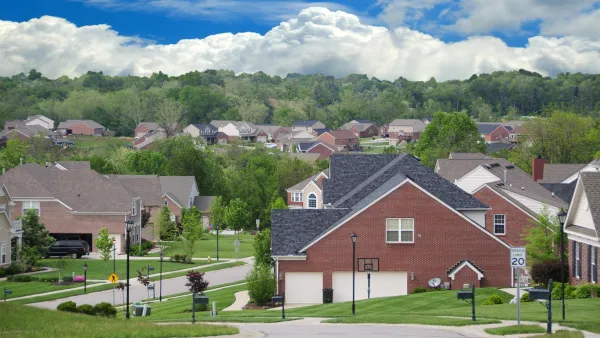
New Opportunities for First Ring Suburbs
Cincinnati’s first ring suburbs have gone through a pattern of boom and bust, but civic boosters are focusing on the opportunities of the present day.

Desperate measures: Advocates weigh draining Lake Powell to fill Colorado River
Draining the reservoir could reduce evaporation losses by a couple hundred thousand acre-feet.

Eastern Nebraska is running out of electricity
Data centers and electrification are straining eastern Nebraska’s grid, throttling economic development.

Malls are becoming the midtowns of the future
Mall and office park redevelopments are a generational opportunity to create new nodes of urbanity.

NYC breaks ground on anti-flooding infrastructure project
New York City's new system will reduce stormwater flows to local sewers by 90%.

One Kentucky town’s secret to affordable housing
The Smoketown Community Land Trust has already built seven affordable homes for community members.

Houston gains petal-shaped cooling infrastructure to make streets more ‘delightful’
The city has installed the pavilions along 15 blocks in Houston.

FREE Course: Walkable City 1: Why Walkability?
After describing his path towards focusing on walkability as the essence of good planning, Jeff Speck marches through his five principal reasons for making more walkable places.
Reinventing Malls: Planning Alchemy—Turning Gray Fields Into Gold
The course focuses on the opportunities and imperatives that shape reinvention of mall sites.

City of Rosemead
Rutgers University, Edward J. Bloustein School of Planning and Public Policy
One Hundred Miles
University of Michigan School for Environment and Sustainability (SEAS)
Hunter College, City University of New York (CUNY)
The Architects Foundation
City of Cambridge
Montrose County
The Pocatello Development Authority