The state of California has adopted the nation's first green building codes, including a provision that allows local jurisdictions to keep or approve even stricter environmental building rules.


They are being called the most environmentally friendly building codes in the U.S.
"The new code, dubbed Calgreen, will take effect next January and requires builders to install plumbing that cuts indoor water use, divert 50 percent of construction waste from landfills to recycling, use low-pollutant paints, carpets and floorings and, in nonresidential buildings, install separate water meters for different uses. It mandates the inspection of energy systems by local officials to ensure that heaters, air conditioners and other mechanical equipment in nonresidential buildings are working efficiently. And it will allow local jurisdictions, such as San Francisco, to retain their stricter existing green building standards, or adopt more stringent versions of the state code if they choose."
Read the full story: State adopts greenest building codes in U.S.

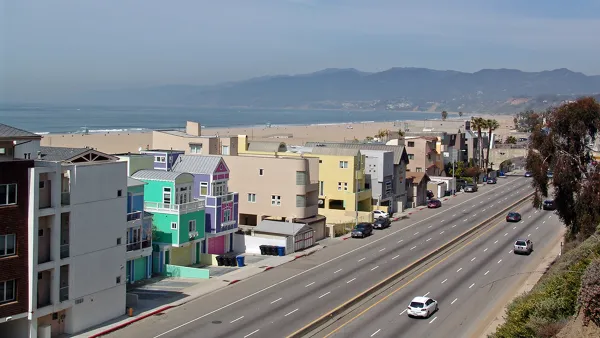
Santa Monica Ordinance Would Require Net-Zero Energy Standards for New Homes
Santa Monica is the first city in California to adopt an ordinance requiring new single-family homes be built to net-zero energy standards.
Environmental Groups Look to Block Green Building Code
California is on the verge of approving the country's first state green building code, but some environmental groups are trying to stop it, arguing the code does not go far enough.
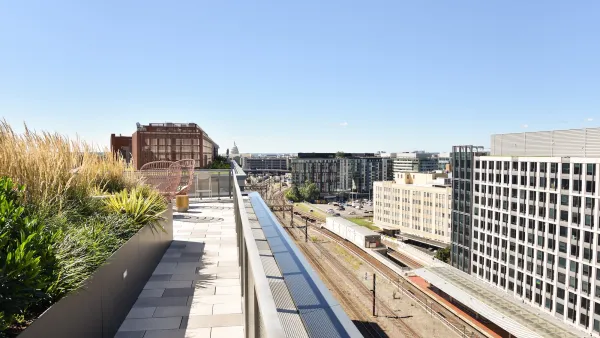
DC energy efficiency rule requires buildings to upgrade their infrastructure or face millions in fines
Building owners and condo co-op members say the upgrades are often prohibitively expensive.

Planetizen Federal Action Tracker
A weekly monitor of how Trump’s orders and actions are impacting planners and planning in America.

Amtrak, CN end decades-long dispute with eight-year agreement
The new operating agreement establishes an updated framework for the companies to work together, including processes to resolve disputes.

Northwest rail fans eager for Sept. 30 debut of Amtrak’s Airo fleet
Get ready for that new train smell and more seats. But they won’t go faster or run more frequently on the Cascades route in Washington and Oregon.

Boston sues Trump administration over revoked infrastructure grant
The Trump administration withdrew the infrastructure grant because less than 1% of the money would go to electric vehicle charging infrastructure.

NYC to turn city-owned property into thousands of homes
The city has scheduled a public hearing regarding the development for October.

Buses travel at 5mph along this route in NYC. The Bronx's first-ever busway looks to change that
Prior to the busway, buses on the Bx36 route traveled as slowly as 5 miles per hour.

FREE Course: Walkable City 1: Why Walkability?
After describing his path towards focusing on walkability as the essence of good planning, Jeff Speck marches through his five principal reasons for making more walkable places.
Reinventing Malls: Planning Alchemy—Turning Gray Fields Into Gold
The course focuses on the opportunities and imperatives that shape reinvention of mall sites.

City of Thousand Oaks
City of Wisconsin Rapids
Harvard University Graduate School of Design
The Architects Foundation
University of Cincinnati Online
The Pocatello Development Authority
The Urban Renewal Agency of the City of Pocatello