After years of spectacular growth and even more spectacular architecture, the city state of Dubai is facing crushing debts and has requested a 6-month "standstill" on its repayments.


The glitzy city-state of Dubai, which until recently was announcing one mega project after another, is now "swamped" under $60 billion in debt and is asking for a 6-month reprieve on debt payments, to give it time to come up with a plan to get its finances in order. Global markets took a hit with the news, but the signs were there: in recent months the city's real estate projects have also slowed to a crawl:
"After months of denial that the economic downturn even touched the glitzy city-state, the Dubai government earlier this year showed signs of trying to deal with the financial fallout that has halted dozens of projects and touched off an exodus of expatriate workers...The more than 2,600-foot (800-meter) Burj Dubai is scheduled to open in January as the world's tallest building. But many other projects, including a tower even taller than the Burj Dubai and satellite cities in the desert, are still just blueprints."
Read the full story: Dubai's Request For Debt 'Standstill' Shakes World Markets

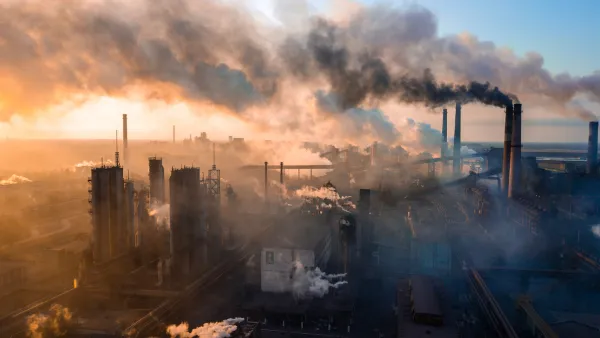
COP28: Will Developed Nations Reduce Emissions?
Tensions between developed and developing nations surfaced over emissions and energy, with the former focused on reducing fossil fuels and the latter pointing to unrealized emissions reductions from the nations most responsible for global warming.
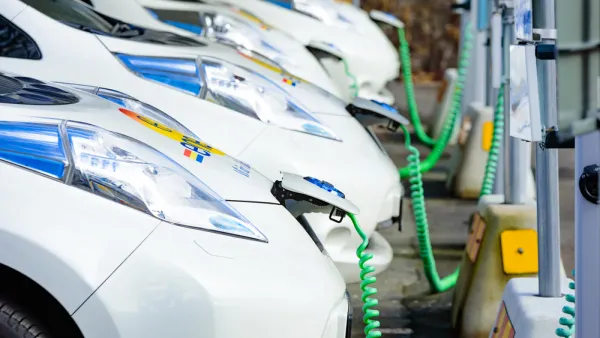
Dubai to Offer Free Parking and Charging to Electric Car Drivers
A city famous for its oil money is implementing generous incentives for electric cars.

World's First Passenger Drone Readies for Takeoff in Dubai
This summer, commuters may have another option for moving around Dubai as a pilotless drone is prepared to shuttle passengers around the city.

Planetizen Federal Action Tracker
A weekly monitor of how Trump’s orders and actions are impacting planners and planning in America.

The state-sanctioned urbicide of Austin
People don’t kill cities. Freeways do.

US to reduce Colorado River water deliveries to Mexico
A new Colorado Treaty amendment reduces Mexico’s Colorado River water allocation by 250,000 acre feet.

Nation's most wind-powered state turns to coal as data centers increase energy demand
For the first time in decades, Iowa has increased its generation of coal power.

NYC cools commuters with city's first rain garden above a bus stop
New York City officials say the plants in the rain garden can absorb 16 gallons of rainwater during heavy storms.

Brightline West’s future may rely on $6 billion federal loan
The company has until Nov. 2 to make a $400 million equity investment into its proposed high-speed rail line.

FREE Course: Walkable City 1: Why Walkability?
After describing his path towards focusing on walkability as the essence of good planning, Jeff Speck marches through his five principal reasons for making more walkable places.
Reinventing Malls: Planning Alchemy—Turning Gray Fields Into Gold
The course focuses on the opportunities and imperatives that shape reinvention of mall sites.

Greater Baltimore Committee
Eagle County Government
Harvard University Graduate School of Design
The Architects Foundation
University of Cincinnati Online
The Pocatello Development Authority
The Urban Renewal Agency of the City of Pocatello
Journal of the American Planning Association