Public housing projects have been a thorn in the paw of New York City for years. The city is trying to figure out what to do with the perennially problem-plagued housing projects. Some groups say redevelopment is the answer.


"[W]ith nearly 180,000 apartments spread over five boroughs, NYCHA is New York's largest landlord. And in a city where housing for low- and moderate-income people is so desperately needed, public housing provides a vital service. Even if the buildings are getting old. Even if the elevators don't always work. Even if the vast superblocks typical of most housing projects are banal in design, barren of amenity and often empty and intimidating at night.
This year, an international team of graduate students from the University of Michigan Master of Urban Design Program spent a semester exploring the redevelopment potential of public housing projects on the Lower East Side, one of the greatest concentrations of such projects in the country."
The students suggest redeveloping the projects' open space, which accounts for more than 80% of their land area.
FULL STORY: SAVING PUBLIC HOUSING BY BUILDING ANEW


Even Parks Are Going Online During the Pandemic
Parks departments in New York City and Pittsburgh are offering videos and livestreams to cooped-up residents.
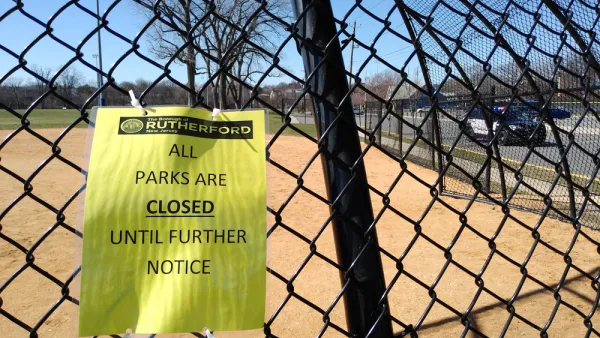
Frontlines of the Social Distancing Effort Shifts to Parks and Open Space
Too many people have been seeking normalcy on parks and on trails. This isn’t a normal time.
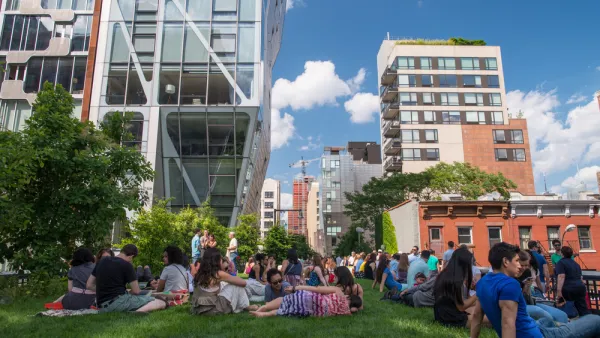
Ten Years of the High Line—Time to Reflect
As the High Line turns ten, a debate about the costs and benefits of urban revitalization continues.

Planetizen Federal Action Tracker
A weekly monitor of how Trump’s orders and actions are impacting planners and planning in America.

The state-sanctioned urbicide of Austin
People don’t kill cities. Freeways do.

US to reduce Colorado River water deliveries to Mexico
A new Colorado Treaty amendment reduces Mexico’s Colorado River water allocation by 250,000 acre feet.

Brightline West’s future may rely on $6 billion federal loan
The company has until Nov. 2 to make a $400 million equity investment into its proposed high-speed rail line.

LA Metro’s ultimatum: no extra buses for LA28 if federal funding isn’t imminently secured
If Metro does not provide additional buses, LA28 organizers will have to find a new way to manage Olympic traffic. LA28’s budget does not include a line item for transit.

Colorado’s Largest Data Center Could Rise Next to Homes — Without a Public Hearing
The proposed campus would consume 11 times the power of Denver International Airport; as it has across the country, opposition mounts.

FREE Course: Walkable City 1: Why Walkability?
After describing his path towards focusing on walkability as the essence of good planning, Jeff Speck marches through his five principal reasons for making more walkable places.
Reinventing Malls: Planning Alchemy—Turning Gray Fields Into Gold
The course focuses on the opportunities and imperatives that shape reinvention of mall sites.

Eagle County Government
Harvard University Graduate School of Design
Nashville Planning Department
The Architects Foundation
University of Cincinnati Online
The Pocatello Development Authority
The Urban Renewal Agency of the City of Pocatello
Journal of the American Planning Association