There's no looking back now in the shift away from suburbs to a more sustainable urban model, writes Andre Shashaty, president of the Partnership for Sustainable Communities.


"The time has come to declare that the "General Motors model" of urban planning is officially bankrupt. We must reinvest in existing urban centers, because reusing the infrastructure and restoring underutilized real estate is far more environmentally efficient than new construction, no matter how green that construction is. It's also time to change local land use laws to promote more compact development around transit and the availability of affordable housing close to jobs and services."
"A reversal of the ill effects of sprawl will take committed local officials who are willing to change land use policy and zoning even in the face of resistance. Architects, real estate developers, bankers, and city planners must collaborate to create vibrant urban spaces that meet consumers' needs."
Thanks to Deirdre Greene
Read the full story: Rethinking Sixty Years of Sprawl
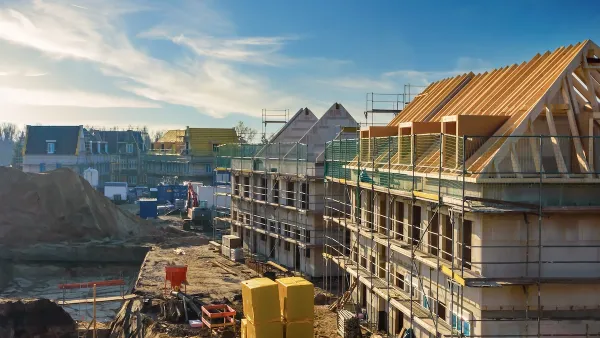
To Build More Housing, Cities Must Be Smarter in How They Use Land
How strategic land use policy decisions can alleviate the housing crisis and limit unsustainable sprawl.
Senate passes bipartisan housing bill
The Senate version of the 21st Century ROAD to Housing Act now heads to the House for a vote.
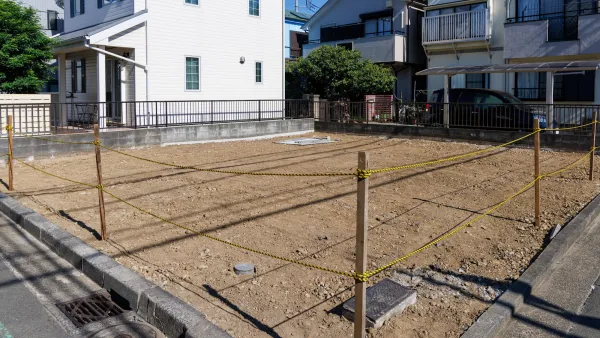
400 Maine Affordable Homes Unable to Break Ground due to Buy America Rules
Projects that receive certain federal funds are required to source 95% of their materials from the United States.

Planetizen Federal Action Tracker
A weekly monitor of how Trump’s orders and actions are impacting planners and planning in America.

California plans to bury El Niño’s downpour
If the state plays its cards right, it may be able to store a billion acre-feet of El Niño’s water in aquifers.

Desperate measures: Advocates weigh draining Lake Powell to fill Colorado River
Draining the reservoir could reduce evaporation losses by a couple hundred thousand acre-feet.

US buildings threatened, destroyed by fires set to triple by 2060
Researchers found a high fire risk for socioeconomically vulnerable neighborhoods in the American West.

LA residents may be allowed to paint their own crosswalks
Councilwoman Katy Yaroslavsky put out a motion instructing the Los Angeles Department of Public Transportation to study the feasibility of allowing volunteers to paint crosswalks.

Dallas moves to overhaul its zoning code
The city's zoning reform will allow more multi-family and mixed-use developments.

FREE Course: Walkable City 1: Why Walkability?
After describing his path towards focusing on walkability as the essence of good planning, Jeff Speck marches through his five principal reasons for making more walkable places.
Reinventing Malls: Planning Alchemy—Turning Gray Fields Into Gold
The course focuses on the opportunities and imperatives that shape reinvention of mall sites.

City of Rosemead
Rutgers University, Edward J. Bloustein School of Planning and Public Policy
One Hundred Miles
Hunter College, City University of New York (CUNY)
The Architects Foundation
University of Cincinnati Online
City of Cambridge
Montrose County
The Pocatello Development Authority