Suicide rates are on the rise in rural areas, according to a new study. Compared to urban areas, rural men are committing suicide 54% more often.


"Suicide rates were higher in both urban and rural places with concentrations of bars and taverns, according to the report by Fred Johnson, Paul Gruenewald and Lillian Remer. The authors speculate that a wide range of factors contributed to higher suicide rates in rural areas, including widespread use of firearms, local economic problems and alcoholism. Three out of four rural suicides involved firearms, according to the report.
The study shows a sudden and sharp increase in the rural suicide rate beginning a generation ago. In the early 1970s, suicide rates of rural men exceeded the urban rate by just 4%. But by the late 1990s, the suicide rate for rural men exceeded the urban rate by 54%."
These conclusions are based on numbers from 1995-2000. The sharp difference between rural rates and urban rates is due to a large increase in rural suicides. The rate of urban suicides did not decline during the study period, but it's rate of increase was far lower than that of rural areas.
Read the full story: Booze, Guns and the Rise in Rural Suicides

Cities Win the Water Reallocation Game, Study Shows
A new study says that huge amounts of water are moved from rural areas to cities to support rapidly growing urban populations.

When Cities Prosper, Rural Areas Are Better Off
The pitting of cities and rural communities against one another is the wrong approach. Instead, policies that help cities thrive will benefit rural areas in the long run.
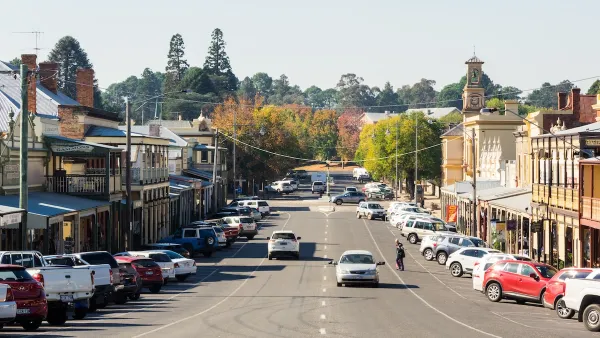
The Importance of Rural Transit
On Transit Equity Day, reminding policymakers that rural communities need access to transit too.

Planetizen Federal Action Tracker
A weekly monitor of how Trump’s orders and actions are impacting planners and planning in America.

Eastern Nebraska is running out of electricity
Data centers and electrification are straining eastern Nebraska’s grid, throttling economic development.

Move over, LA: St. Louis gears up for Olympics, invests millions in downtown redevelopment
The Missouri city will host the 2028 Olympic soccer group stage and knockout matches.

Dallas releases zoning code overhaul to officials
The drafted overhaul is over 400 pages long.

NYC renovations for dangerous, ‘mercilessly crammed’ street delayed until 2027
Construction was supposed to begin this fall.

San Diego’s Midway Rising project gets greenlight from city council
The project looks to become the largest affordable housing development in California's history.

FREE Course: Walkable City 1: Why Walkability?
After describing his path towards focusing on walkability as the essence of good planning, Jeff Speck marches through his five principal reasons for making more walkable places.
Reinventing Malls: Planning Alchemy—Turning Gray Fields Into Gold
The course focuses on the opportunities and imperatives that shape reinvention of mall sites.

City of Rosemead
Rutgers University, Edward J. Bloustein School of Planning and Public Policy
One Hundred Miles
University of Michigan School for Environment and Sustainability (SEAS)
Hunter College, City University of New York (CUNY)
The Architects Foundation
City of Cambridge
The Pocatello Development Authority
The Urban Renewal Agency of the City of Pocatello