A new study from the Asian Development Bank predicts that 20 years from now, Asian cities will be responsible for more than half of the world's greenhouse gases.


"What's worse is that little is being done to regulate this increase not only in carbon, but also in water use, waste production and large-scale health impacts on urban populations and beyond."
"From the helter skelter expansion of cities in China, India and Bangladesh into the surrounding countryside to the precipitous rise in transport-related air pollution in Beijing, Jakarta, Manila and Shanghai, to massive loads of untreated or inadequately treated wastewater and air pollution, the impacts are already taking a staggering toll, climate change aside."
Read the full story: Asian City Growth: "Elephants in the Room" for Climate Change, Environmental Devastation

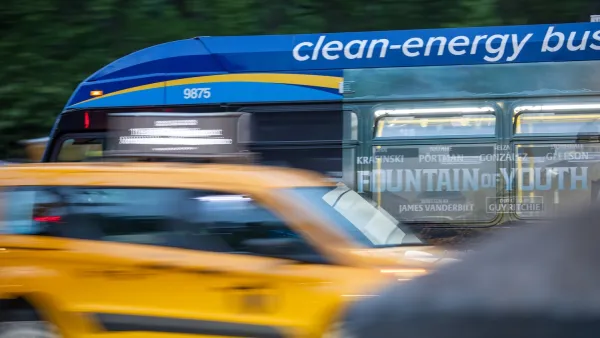
FTA Kills ‘Social Cost of Carbon’ in Transit Grant Criteria
The Capital Investments Grant program will no longer factor in the future impacts of carbon emissions.
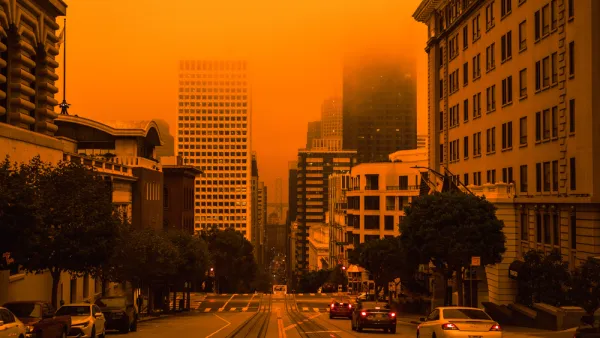
Climate Change Concerns Rising Among Americans
More Americans than ever agree climate change is happening—but fewer agree on what to do about it.
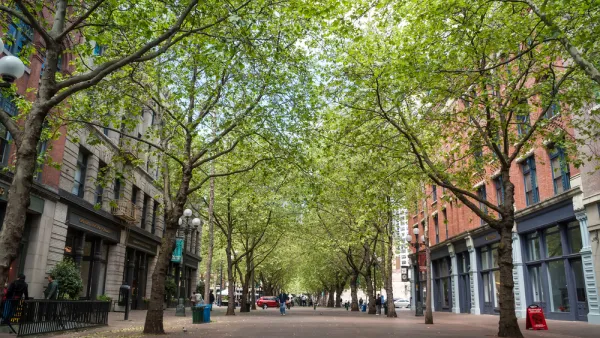
Cool Planning for a Hotter Future
Global warming increases the importance of designing buildings and communities that are comfortable, efficient, and safe in hot conditions.

Planetizen Federal Action Tracker
A weekly monitor of how Trump’s orders and actions are impacting planners and planning in America.

Amtrak, CN end decades-long dispute with eight-year agreement
The new operating agreement establishes an updated framework for the companies to work together, including processes to resolve disputes.
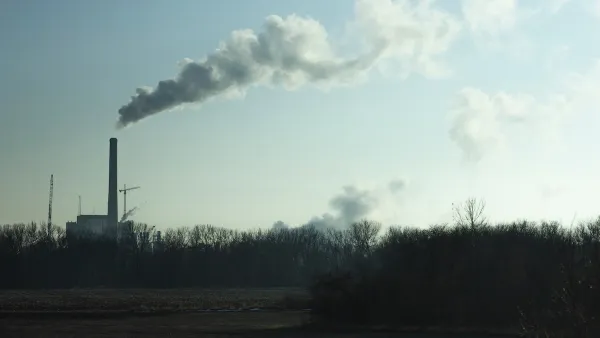
Nation's most wind-powered state turns to coal as data centers increase energy demand
For the first time in decades, Iowa has increased its generation of coal power.

Alabama scores up to $2.5 billion federal loan for largest infrastructure project in state’s history
The Mobile River Bridge and Bayway Project aims to ease congestion at Alabama’s worst bottleneck.

Trump is considering data centers on 6 states' public land — some state officials say they had no idea
If the administration approves the proposed projects, data center and data center-related developments will cover 17,600 acres of public land.

Despite court ruling, Trump is keeping nearly all wind projects in the US on hold
At least 110 wind energy projects have not heard from the government since a federal judge ruled that the Trump administration's freeze on wind turbine clearances was likely illegal.

FREE Course: Walkable City 1: Why Walkability?
After describing his path towards focusing on walkability as the essence of good planning, Jeff Speck marches through his five principal reasons for making more walkable places.
Reinventing Malls: Planning Alchemy—Turning Gray Fields Into Gold
The course focuses on the opportunities and imperatives that shape reinvention of mall sites.

KFH Group Inc.
Greater Baltimore Committee
Eagle County Government
The Architects Foundation
University of Cincinnati Online
The Pocatello Development Authority
The Urban Renewal Agency of the City of Pocatello