The health care reform town halls are just the latest evidence that traditional forms of public engagement are no longer effective and in fact can be counterproductive, writes Sandy Heierbacher.


Heierbacher suggests that the vitriol at the now-notorious town hall meetings is not so much owed to the substance of the legislation, but to a sense that people feel excluded. As as result, these sessions are getting co-opted and turned into gripe sessions, fueling frustration.
Instead, new forms of engagement are needed -- and much earlier in the process, instead of when an issue has reached "crisis mode" as is the case with health care. She writes,
"Dozens of effective public engagement techniques have been developed to enable citizens to have authentic, civil, productive discussions at public meetings-even on highly contentious issues. These techniques have names like National Issues Forums, Study Circles, 21st Century Town Meetings, Open Space Technology, and World Cafe, to name just a few. When done well, these techniques create the space for real dialogue, so everyone who shows up can tell their story and share their perspective on the topic at hand. "
FULL STORY: Upgrading the Way We Do Politics

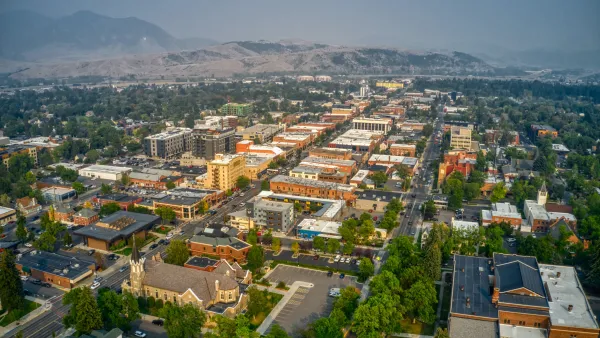
Montana Land Use Reform Overhauls Public Participation Rules
In a bid to streamline housing permits, new state legislation limits public input to the land use planning stage.
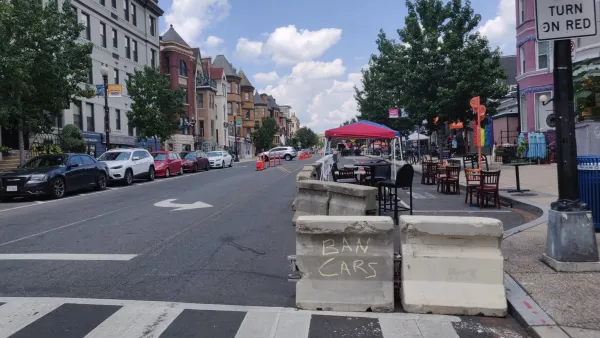
The Slow Streets Reckoning
Slow streets programs provided a quick short-term solution and paved the way for some permanent street closures and realignments. Now, these programs are getting a second look as community groups react to the changes.
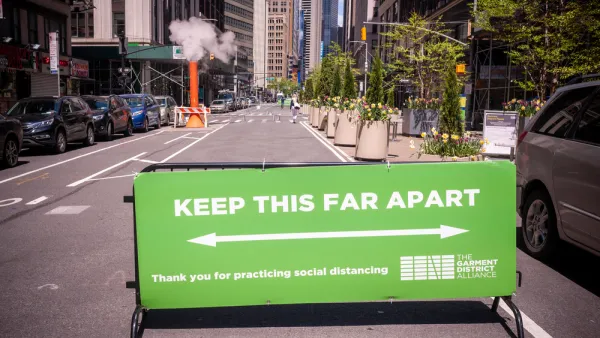
Pandemic Planning Must Reconcile With the Inequities of the Past
The ongoing debate about the role of marginalized communities in the emergency planning programs of the pandemic has now been detailed on the pages of the New York Times.

Planetizen Federal Action Tracker
A weekly monitor of how Trump’s orders and actions are impacting planners and planning in America.

The state-sanctioned urbicide of Austin
People don’t kill cities. Freeways do.

US to reduce Colorado River water deliveries to Mexico
A new Colorado Treaty amendment reduces Mexico’s Colorado River water allocation by 250,000 acre feet.

5 New England states march closer to 800 megawatt wind energy project
Securing federal approval for the project may be complicated under the Trump administration, which has historically been hostile towards domestic wind power.

Baltimore to break ground on $50 million Transit Priority Project
The project will bring faster bus trips, safer streets and better bike connections to Baltimore.

Airbnb launches $250 million 'last-dollar financing' housing accelerator, makes first investment in Austin
The company will put $6.4 million towards affordable housing development in Texas’ capital.

FREE Course: Walkable City 1: Why Walkability?
After describing his path towards focusing on walkability as the essence of good planning, Jeff Speck marches through his five principal reasons for making more walkable places.
Reinventing Malls: Planning Alchemy—Turning Gray Fields Into Gold
The course focuses on the opportunities and imperatives that shape reinvention of mall sites.

Eagle County Government
Harvard University Graduate School of Design
Nashville Planning Department
The Architects Foundation
University of Cincinnati Online
The Pocatello Development Authority
The Urban Renewal Agency of the City of Pocatello
Journal of the American Planning Association