In the first of a series of posts to the NYTimes' Economix Blog, Edward Glaeser explores the value of high-speed rail in the US.


"Large infrastructure projects are complicated things that all have hundreds of consequences, some good and some bad. It is easy to come up with good and bad side effects of high-speed rail: More people coming into a centralized train station might reduce long car trips associated with sprawling airports (that's good), but increase congestion in the city (that's bad).
"These ideas are so cheap that unless they are seriously quantified they have no place in the debate. Serious accounting, not clever debating points or soaring rhetoric, is the critical ingredient in good public decision-making."
Thanks to Franny Ritchie
Read the full story: Is High-Speed Rail a Good Public Investment?

Would High-Speed Rail from Dallas to Houston Make Sense?
Edward Glaeser continues his series on cost-benefit analysis of high-speed rail in the US, imagining a mythical route between Dallas and Houston.
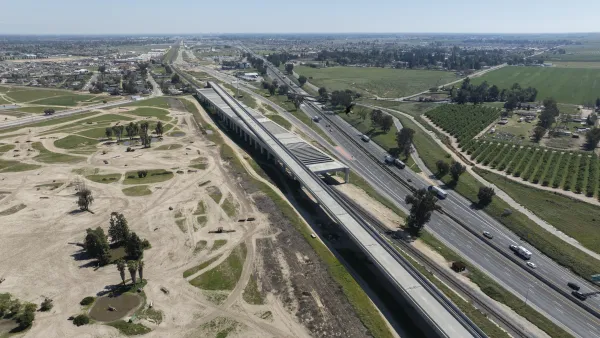
California High-Speed Rail Authority could be broke by the end of 2027
A report from the Office of Inspector General says the authority must borrow against state infusions to stay afloat.
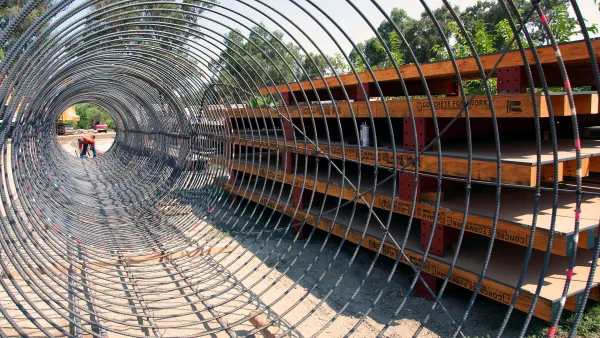
California High Speed Rail to lay first tracks
High Speed Rail Authority officials describe the milestone as "the moment this project truly begins to become a railroad."

Amtrak, CN end decades-long dispute with eight-year agreement
The new operating agreement establishes an updated framework for the companies to work together, including processes to resolve disputes.

Judges permit Denver to divert 77,000 acre feet from the Colorado River for reservoir expansion
Overuse and climate change have caused the Colorado River’s water levels to plummet.
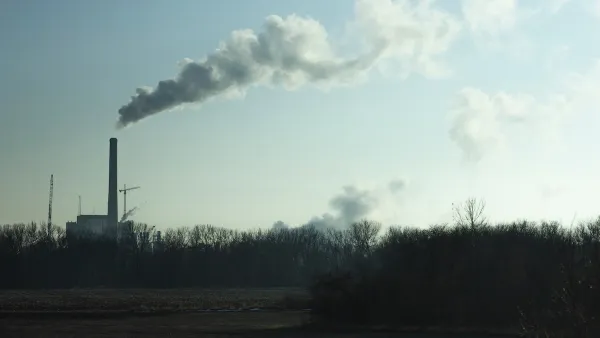
Nation's most wind-powered state turns to coal as data centers increase energy demand
For the first time in decades, Iowa has increased its generation of coal power.

Boston has spent millions making the Green Line more accessible — and there’s no end in sight
While the city has invested millions into expanding and adding platforms to the Green Line to make it more accessible, new train cars set to arrive next year will be too tall for disabled passengers to board without raising the current platforms.

Idaho may see an 18% drop in federal surface transit funding — the largest estimated cut in the US
Transit systems in rural communities are much more reliant on federal funding to provide their services.

How ‘post-disaster gentrification’ alters neighborhoods after natural calamities
After hurricanes, fires or other calamities, the original residents of a community are often replaced by younger, wealthier residents.

FREE Course: Walkable City 1: Why Walkability?
After describing his path towards focusing on walkability as the essence of good planning, Jeff Speck marches through his five principal reasons for making more walkable places.
Reinventing Malls: Planning Alchemy—Turning Gray Fields Into Gold
The course focuses on the opportunities and imperatives that shape reinvention of mall sites.

City of Wisconsin Rapids
Harvard University Graduate School of Design
KFH Group Inc.
The Architects Foundation
University of Cincinnati Online
The Pocatello Development Authority
The Urban Renewal Agency of the City of Pocatello