Cost-Benefit Analysis
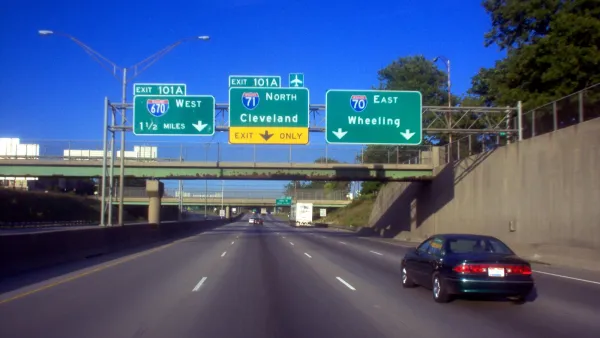
Northeast Ohio Agency Set to Reject Three Highway Proposals
The agency's recommendations are based on a new method of cost-benefit analysis that includes equity and environmental sustainability as key measures.

California Judge Berates L.A. County Public Health Department in Outdoor Dining Ruling
A Los Angeles County Superior Court judge was critical of county public health officials for banning outdoor dining to slow the spread of the coronavirus without providing scientific evidence that the order would reduce infections.
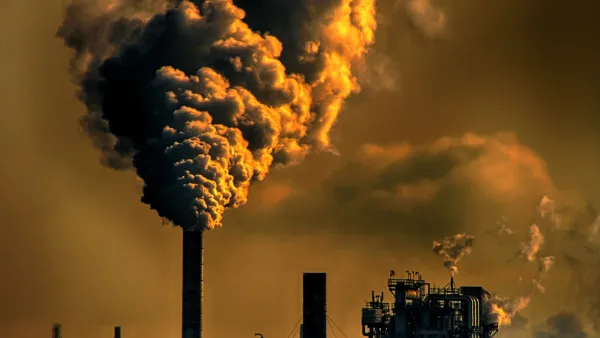
EPA Targets Co-Benefits in Rulemaking—Public Health to Suffer
The Environmental Protection Agency proposed a critical change in the cost-benefit analysis used in the mercury rule that applies to coal-fired power plants. By eliminating the principle of co-benefits, public health impacts would be severe.
The Far-Reaching Consequences of Remaking the Mercury Emissions Rule
The EPA intends to review the rulemaking process behind the mercury rule, the subject of a landmark Supreme Court ruling in 2015, to place more value on a rule's compliance cost to industry and less to its beneficial impact on human health.
Opinion: Supreme Court Ruling on EPA's Mercury Rule Will Have Little Effect
When the Supreme Court ruled 5-4 against the Environmental Protection Agency on June 29, it appeared as a blow against mercury regulation by the EPA and a victory for coal power plants. David Roberts of Vox looks closer and finds that's not the case
Why Economic Analysis for Transportation Projects Makes Sense
As Congress haggles over a new transportation bill, a report out last week argues that all stakeholders would be better served if state and federal governments conducted rigorous economic analysis before spending money on transportation projects.
Would High-Speed Rail from Dallas to Houston Make Sense?
Edward Glaeser continues his series on cost-benefit analysis of high-speed rail in the US, imagining a mythical route between Dallas and Houston.
A Cost-Benefit Analysis for High Speed Rail
In the first of a series of posts to the NYTimes' Economix Blog, Edward Glaeser explores the value of high-speed rail in the US.

FREE Course: Walkable City 1: Why Walkability?
After describing his path towards focusing on walkability as the essence of good planning, Jeff Speck marches through his five principal reasons for making more walkable places.
Reinventing Malls: Planning Alchemy—Turning Gray Fields Into Gold
The course focuses on the opportunities and imperatives that shape reinvention of mall sites.

City of Rosemead
Rutgers University, Edward J. Bloustein School of Planning and Public Policy
One Hundred Miles
University of Michigan School for Environment and Sustainability (SEAS)
Hunter College, City University of New York (CUNY)
The Architects Foundation
City of Cambridge
Montrose County
The Pocatello Development Authority









