Salon's Michael Lind argues that attempts to create "comprehensive reform" of anything is a recipe for disaster.


Since the post-Robert Moses era, urban planners have realized the perils of implementing sweeping, comprehensive plans. Michael Lind argues that the government -- in the middle of large reform programs for health care, the economy, energy, etc. -- should take note:
"Advocates of comprehensive reform often claim that you can't solve one problem in isolation. For example, supporters of comprehensive immigration reform argued that you can't have workplace enforcement and border security without a simultaneous amnesty, because that would create a pool of unemployed illegal immigrants trapped north of the newly controlled U.S.-Mexican border. Similarly, many supporters of comprehensive energy reform argue that you can't have more private R&D for clean energy without simultaneously stimulating demand by means of subsidies to clean energy industries. This is the Fallacy of Holism -- you can't fix anything unless you fix everything at once."
Read the full story: Against comprehensive reform -- of anything


A Historic Texas Beach Town Faces Existential Growth Questions
Galveston, Texas is growing — and so are questions about its land use strategy.

Vancouver Set to Adopt Game-changing Citywide Development Plan
To comply with new provincial law, Vancouver will adopt a new city plan aimed at guiding development for the next three decades.

Seattle Adopts a New Growth Plan, but Major Zoning Battles are Just Beginning
Approving the comprehensive plan update is just the first step in rewriting the city’s zoning code to accommodate more density and affordable housing.

Planetizen Federal Action Tracker
A weekly monitor of how Trump’s orders and actions are impacting planners and planning in America.

Colorado’s Largest Data Center Could Rise Next to Homes — Without a Public Hearing
The proposed campus would consume 11 times the power of Denver International Airport; as it has across the country, opposition mounts.

US to reduce Colorado River water deliveries to Mexico
A new Colorado Treaty amendment reduces Mexico’s Colorado River water allocation by 250,000 acre feet.

'This is going to be painful:’ Virginia stares down $1.7 billion funding gap for highway maintenance
The state may address the deficit by shifting $290 million from its construction budget to maintenance projects.
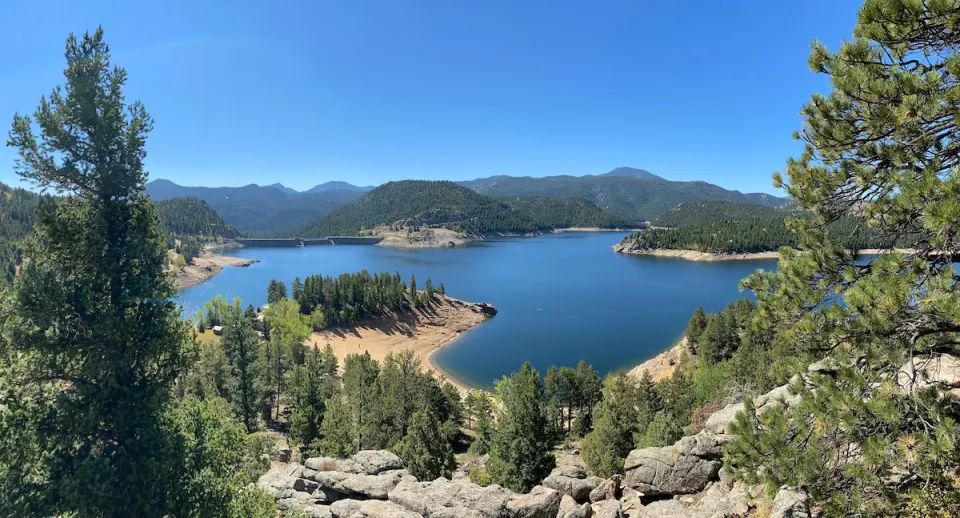
Judges permit Denver to divert 77,000 acre feet from the Colorado River for reservoir expansion
Overuse and climate change have caused the Colorado River’s water levels to plummet.

Amtrak, CN end decades-long dispute with eight-year agreement
The new operating agreement establishes an updated framework for the companies to work together, including processes to resolve disputes.

FREE Course: Walkable City 1: Why Walkability?
After describing his path towards focusing on walkability as the essence of good planning, Jeff Speck marches through his five principal reasons for making more walkable places.
Reinventing Malls: Planning Alchemy—Turning Gray Fields Into Gold
The course focuses on the opportunities and imperatives that shape reinvention of mall sites.

KFH Group Inc.
Greater Baltimore Committee
Eagle County Government
The Architects Foundation
University of Cincinnati Online
The Pocatello Development Authority
The Urban Renewal Agency of the City of Pocatello