The recently passed House climate bill only dedicates 1 percent of funding to public transportation projects. Some are arguing that needs to be increased when the bill heads to the Senate.


Already the bill faces an uphill battle in the Senate, and restructuring it to include more funding for transit projects may not be welcomed by opponents from the Republican party.
"That arrangement, many experts and lawmakers contend, falls well short of what the country will need to reduce the vehicle miles that contribute so heavily to the world's greenhouse emissions. Indeed, the United States, which represents roughly 5 percent of the world's population, emits more than one-fifth of its greenhouse gases - with 28 percent coming from transportation.
Now, as Senate Democrats are preparing to unveil their own sweeping climate-change proposal, a growing chorus of voices is calling for an increase in public-transit funding to eliminate the need for so much additional driving."
Read the full story: Public Transit Loses to Polluters in Climate Bill Subsidies

L.A. Times: California Must Shift Transportation Spending Priorities
Despite its ambitious emissions reduction goals, California continues to spend a majority of transportation funds on car-centric infrastructure.
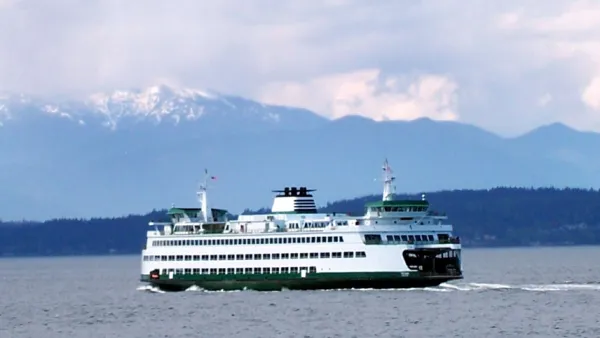
Washington State Considering New Gas Tax, Transit and Bike Fees
The state legislature is weighing three proposals that seek to fund improvements to aging infrastructure and upgrade the state's transportation network.
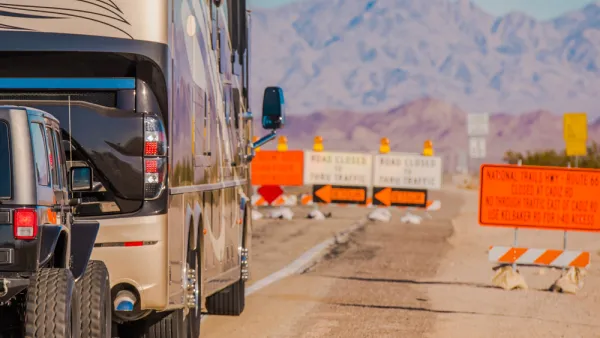
Constitutional Amendment Would Shift Some Gas Tax Revenue to Transit Spending in Nevada
Democratic legislators in Nevada are considering a constitutional amendment that would allow the state to use gas tax revenues for transportation projects other than road construction, maintenance, and repair.

Planetizen Federal Action Tracker
A weekly monitor of how Trump’s orders and actions are impacting planners and planning in America.

California plans to bury El Niño’s downpour
If the state plays its cards right, it may be able to store a billion acre-feet of El Niño’s water in aquifers.

Desperate measures: Advocates weigh draining Lake Powell to fill Colorado River
Draining the reservoir could reduce evaporation losses by a couple hundred thousand acre-feet.

US buildings threatened, destroyed by fires set to triple by 2060
Researchers found a high fire risk for socioeconomically vulnerable neighborhoods in the American West.

LA residents may be allowed to paint their own crosswalks
Councilwoman Katy Yaroslavsky put out a motion instructing the Los Angeles Department of Public Transportation to study the feasibility of allowing volunteers to paint crosswalks.

Dallas moves to overhaul its zoning code
The city's zoning reform will allow more multi-family and mixed-use developments.

FREE Course: Walkable City 1: Why Walkability?
After describing his path towards focusing on walkability as the essence of good planning, Jeff Speck marches through his five principal reasons for making more walkable places.
Reinventing Malls: Planning Alchemy—Turning Gray Fields Into Gold
The course focuses on the opportunities and imperatives that shape reinvention of mall sites.

City of Rosemead
Rutgers University, Edward J. Bloustein School of Planning and Public Policy
One Hundred Miles
Hunter College, City University of New York (CUNY)
The Architects Foundation
University of Cincinnati Online
City of Cambridge
Montrose County
The Pocatello Development Authority