Cities across the country are reconsidering tax abatement plans, in the new belief that cities just can't afford them.


"Tax abatements – programs which allow developers, homebuyers and/or businesses to forgo paying property taxes or pay them at a reduced rate for a number of years – have been put on trial throughout the country. Houston, which has suspended its program, and St. Joseph County in Indiana, which is scaling its back, are just two of many municipalities that are carefully reevaluating the benefits of tax abatement in a time when a shrinking tax base is the primary pain of the crisis for cities. The idea is that in these times, one can only raise actual tax rates – like sales and wage taxes – so high without inducing flight, so tweaking how tax abatement is applied can be an alternative way to raise taxes without really raising taxes.
It's not clear whether or not doing anything with the programs will make a difference right now, with homeownership declining and businesses tightening their ambitions for expansion – it might deter these individuals, but they're already deterred by their own lack of money."
FULL STORY: When Cities Are Too Generous

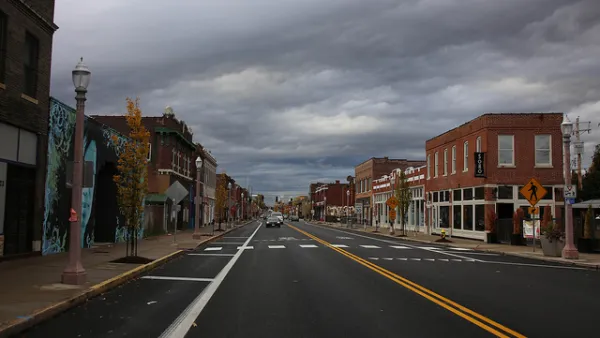
Mapping Tax Abatements to Mitigate Controversy
St. Louis politicians are embroiled in controversy over the city's use of tax abatements, which come at the expense of funding for the city's school district. A map is seen as part of the solution.

Home values, property tax rises in Texas county after the arrival of SpaceX
The median property tax bill in Cameron County increased by more than 57% over six years.
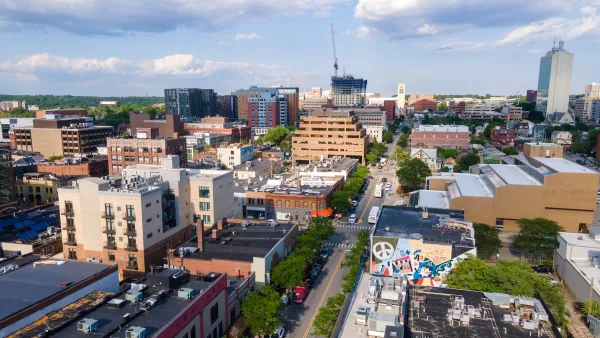
Ann Arbor millage tax has created over $27M for affordable housing
The 2020 property tax is expected to fund roughly 1,500 new affordable homes.

Planetizen Federal Action Tracker
A weekly monitor of how Trump’s orders and actions are impacting planners and planning in America.

The state-sanctioned urbicide of Austin
People don’t kill cities. Freeways do.

US to reduce Colorado River water deliveries to Mexico
A new Colorado Treaty amendment reduces Mexico’s Colorado River water allocation by 250,000 acre feet.

5 New England states march closer to 800 megawatt wind energy project
Securing federal approval for the project may be complicated under the Trump administration, which has historically been hostile towards domestic wind power.

Baltimore to break ground on $50 million Transit Priority Project
The project will bring faster bus trips, safer streets and better bike connections to Baltimore.

Airbnb launches $250 million 'last-dollar financing' housing accelerator, makes first investment in Austin
The company will put $6.4 million towards affordable housing development in Texas’ capital.

FREE Course: Walkable City 1: Why Walkability?
After describing his path towards focusing on walkability as the essence of good planning, Jeff Speck marches through his five principal reasons for making more walkable places.
Reinventing Malls: Planning Alchemy—Turning Gray Fields Into Gold
The course focuses on the opportunities and imperatives that shape reinvention of mall sites.

Eagle County Government
Harvard University Graduate School of Design
Nashville Planning Department
The Architects Foundation
University of Cincinnati Online
The Pocatello Development Authority
The Urban Renewal Agency of the City of Pocatello
Journal of the American Planning Association