After decades of restructuring, Pittsburgh is doing significantly better than other cities attempting to recover from the loss of industry. Here's how they did it.


"Pittsburgh's transition has been proceeding for decades in fits and starts, benefiting some areas much more than others. A development plan begun in the 1980s successfully used the local universities to pour state funds into technology research.
Entrepreneurship bloomed in computer software and biotechnology. Two of the biggest sectors are education and health care, among the most resistant to downturns. Prominent companies are doing well. Westinghouse Electric, a builder of nuclear reactors, expects to hire 350 new employees a year for the foreseeable future. And commercial construction, plunging in most places, is still thriving partly because of big projects like a casino and an arena for the Penguins hockey team.
The question is whether Pittsburgh can serve as a model for Detroit and other cities in the industrial Midwest as they grapple with large-scale cutbacks in the automotive industry."
Read the full story: For Pittsburgh, There’s Life After Steel

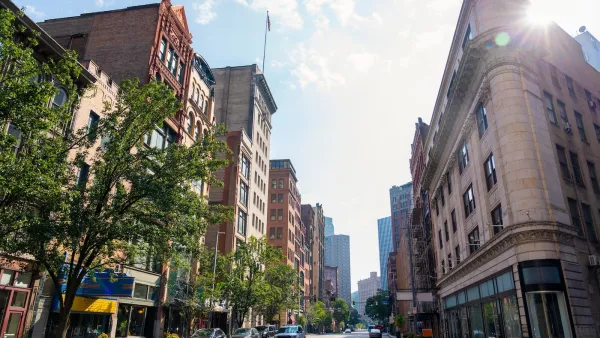
Pittsburgh downtown tax diversion plan draws criticism for lack of transparency
A proposed new development tax faces opposition from transit advocates.
Mill Comes Back From the Dead, Town Follows
Years after it followed many others like it and closed its doors, a paper mill in upstate New York has come back to life, and brought its town back to life with it.
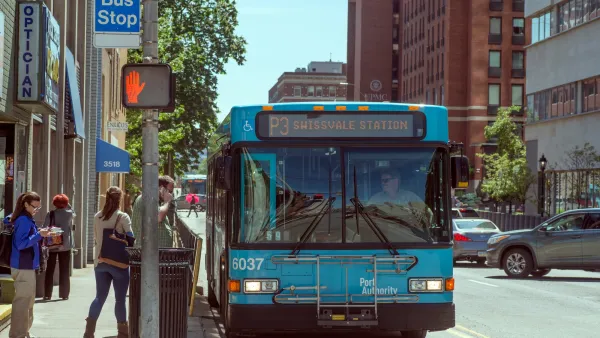
750 Pittsburgh city workers to get free transit passes
City employees working downtown will have access to free transit from Pittsburgh Regional Transit.

Amtrak, CN end decades-long dispute with eight-year agreement
The new operating agreement establishes an updated framework for the companies to work together, including processes to resolve disputes.

Judges permit Denver to divert 77,000 acre feet from the Colorado River for reservoir expansion
Overuse and climate change have caused the Colorado River’s water levels to plummet.
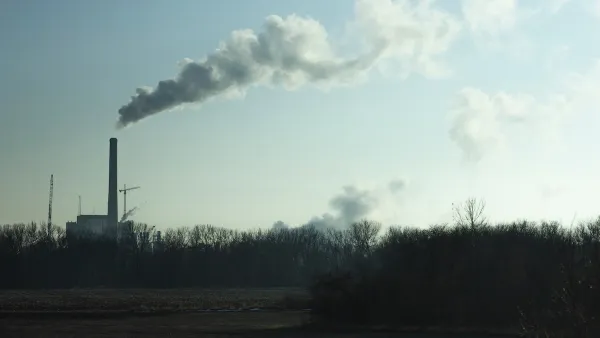
Nation's most wind-powered state turns to coal as data centers increase energy demand
For the first time in decades, Iowa has increased its generation of coal power.

Boston has spent millions making the Green Line more accessible — and there’s no end in sight
While the city has invested millions into expanding and adding platforms to the Green Line to make it more accessible, new train cars set to arrive next year will be too tall for disabled passengers to board without raising the current platforms.

Idaho may see an 18% drop in federal surface transit funding — the largest estimated cut in the US
Transit systems in rural communities are much more reliant on federal funding to provide their services.

How ‘post-disaster gentrification’ alters neighborhoods after natural calamities
After hurricanes, fires or other calamities, the original residents of a community are often replaced by younger, wealthier residents.

FREE Course: Walkable City 1: Why Walkability?
After describing his path towards focusing on walkability as the essence of good planning, Jeff Speck marches through his five principal reasons for making more walkable places.
Reinventing Malls: Planning Alchemy—Turning Gray Fields Into Gold
The course focuses on the opportunities and imperatives that shape reinvention of mall sites.

City of Wisconsin Rapids
Harvard University Graduate School of Design
KFH Group Inc.
The Architects Foundation
University of Cincinnati Online
The Pocatello Development Authority
The Urban Renewal Agency of the City of Pocatello