Transit-oriented development is catching on in Australia, as several projects spring up around Brisbane. The article is accompanied by a photo gallery of recent developments.


"Constructing a mixed-use development of residential, commercial and retail space on top of public transport infrastructure is not a new idea.
Major cities in Europe and North America embraced the idea of living and working around bus, tram and rail nodes decades ago, Colliers International research analyst Lachlan Walker said.
Geared around creating 'walkable communities', transit-oriented developments - or TODs as they are known - bring together a range of uses and are designed to link working, living, learning and entertainment.
A central aim is slash people's reliance on cars, which is critical in a city like Brisbane where traffic congestion is a growing problem.
'TODs usually result in reduced car usage, reduced car ownership, increased use of public transport, reduced carbon footprint, increased local business activity and more efficient use of existing infrastructure,' Mr Walker said."
Read the full story: Why transit-oriented is the new black
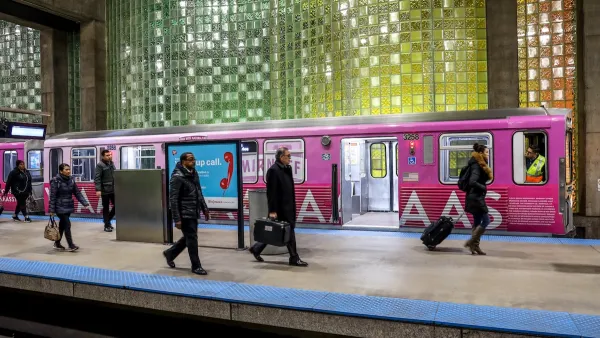
Chicago’s new transit authority has ‘unprecedented’ land development power
The Northern Illinois Transit Authority is allowed to buy and develop land for reasons unrelated to transit, a power that is fairly unique among transit authorities.

Op-ed: if transit agencies want sustainability, they should focus on their buildings
In the Washington region, buildings can account for nearly 70% of greenhouse gas emissions. If WMATA wants to be a sustainable agency, it must upgrade its developments as well as its transit.
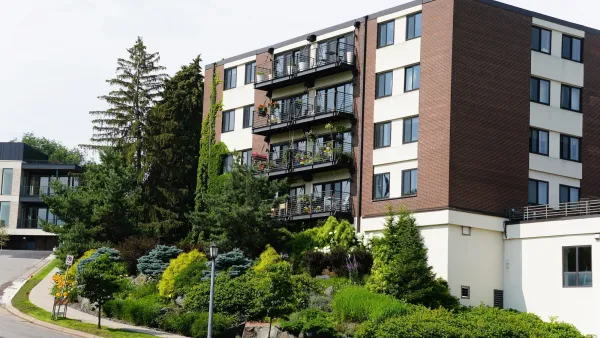
How policy changes helped Minneapolis beat rent inflation
Despite a boom in population, Minneapolis has managed to keep rents relatively steady through a combination of legislative action and private investment.

Planetizen Federal Action Tracker
A weekly monitor of how Trump’s orders and actions are impacting planners and planning in America.

California plans to bury El Niño’s downpour
If the state plays its cards right, it may be able to store a billion acre-feet of El Niño’s water in aquifers.

Desperate measures: Advocates weigh draining Lake Powell to fill Colorado River
Draining the reservoir could reduce evaporation losses by a couple hundred thousand acre-feet.

Housing is the top priority of Seattle’s sole new councilmember
Jenks campaigned on building 1,000 new units of affordable housing.

New tax cuts may slash $1.5 billion in funding for Miami transit, public parks
Amendment 3 will save Miami-Dade homeowners $2,700 in 2028.

Arizona, Wisconsin, Pennsylvania hope to finally advance climate goals post-midterms
The three states have spent years under Republican or divided control.

FREE Course: Walkable City 1: Why Walkability?
After describing his path towards focusing on walkability as the essence of good planning, Jeff Speck marches through his five principal reasons for making more walkable places.
Reinventing Malls: Planning Alchemy—Turning Gray Fields Into Gold
The course focuses on the opportunities and imperatives that shape reinvention of mall sites.

City of Rosemead
Rutgers University, Edward J. Bloustein School of Planning and Public Policy
One Hundred Miles
University of Michigan School for Environment and Sustainability (SEAS)
Hunter College, City University of New York (CUNY)
The Architects Foundation
City of Cambridge
Montrose County
The Pocatello Development Authority