The new master plan for Ottawa calls for a radical rethink of priorities, postponing at least $84 million in road building to focus on creating a 'compact, transit city'.


"The plan also includes recommendations for the order in which the city's new light-rail plan should be built, and better cycling and pedestrian routes.
Schepers said she believes if the city follows the recommendations presented by planning staff, it "will benefit all citizens for the next 100 years."
Under the plan, the spine of the light-rail system, including a downtown tunnel, will be built over the next 20 years, in three phases as the money becomes available.
The first phase, costing $1.7 billion would see a downtown tunnel built and a light-rail line running through it and along the current bus Transitway from Blair Road to Tunney's Pasture. This phase would also see the completion and expansion of the dedicated busway."
Read the full story: More transit, fewer roads in city's new master plan
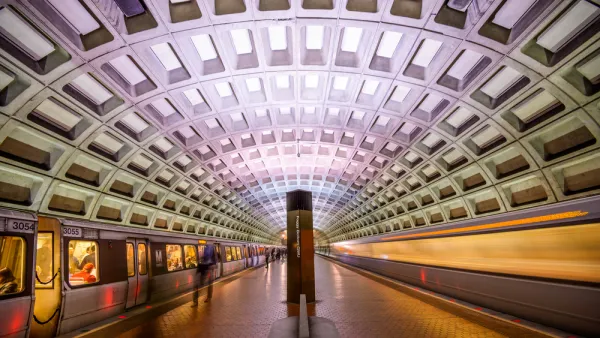
Republicans, Democrats, and Transit
Depending on how the issue is phrased, support for public transit can be bipartisan.
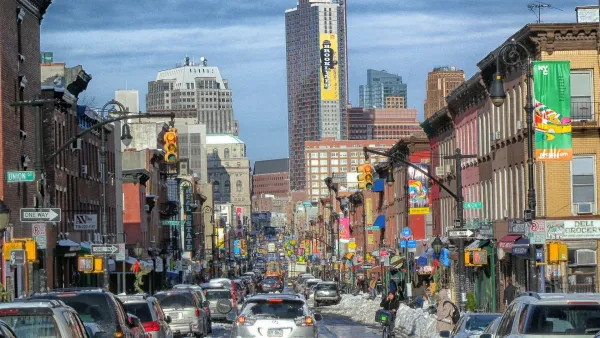
Thinking About Infrastructure and Housing, Part 2
Is inadequate infrastructure a reason to keep new housing out of cities?
For Reducing Traffic, Americans Favor Transit Over Roads
Finally, something Red and Blue America can agree on! A new poll published this week by the NRDC shows support for local investment in transit to reduce traffic crosses the country's wide political and geographic divides.

Planetizen Federal Action Tracker
A weekly monitor of how Trump’s orders and actions are impacting planners and planning in America.

California plans to bury El Niño’s downpour
If the state plays its cards right, it may be able to store a billion acre-feet of El Niño’s water in aquifers.

Desperate measures: Advocates weigh draining Lake Powell to fill Colorado River
Draining the reservoir could reduce evaporation losses by a couple hundred thousand acre-feet.

Study reveals best places in the U.S. for cycling, walking
New research from Streetlight Data examines bicycle and pedestrian miles per capita in the 100 largest U.S. cities by population.

Los Angeles just elected an urban planner as its mayor
Transportation analysts are optimistic that Raman will be more aggressive in addressing transit issues than Bass.

Mamdani’s pied-à-terre tax survives legal challenge
A panel of judges found that the plaintiffs failed to demonstrate injury as a result of New York City's implementation of the tax.

FREE Course: Walkable City 1: Why Walkability?
After describing his path towards focusing on walkability as the essence of good planning, Jeff Speck marches through his five principal reasons for making more walkable places.
Reinventing Malls: Planning Alchemy—Turning Gray Fields Into Gold
The course focuses on the opportunities and imperatives that shape reinvention of mall sites.

City of Rosemead
Rutgers University, Edward J. Bloustein School of Planning and Public Policy
One Hundred Miles
University of Michigan School for Environment and Sustainability (SEAS)
Hunter College, City University of New York (CUNY)
The Architects Foundation
City of Cambridge
Montrose County
The Pocatello Development Authority