When Vancouver City Council approved the new EcoDensity Charter and Initial Actions earlier this year, among these was a prioritized action to further develop the idea of laneway housing. The issues and options report relating to this work program is now available for downloading from the EcoDensity website.
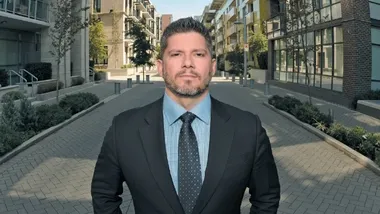


When Vancouver City Council approved the new EcoDensity Charter and Initial Actions earlier this year, among these was a prioritized action to further develop the idea of laneway housing.
The issues and options report relating to this work program is now available for downloading from the EcoDensity website.
For those cities considering laneway housing, the report might be helpful. We've proposed approaches on lots with 33 and 50 ft widths. The issues we've considered include rental vs. ownership, size/massing, shadowing, overlook/privacy, city-wide vs. pilot projects, heritage and existing house retention, impacts on backyard space and urban gardening, parking, green building design, lanescape design, etc. We've included a summary of laneway approaches from other North American cities as well.
The analysis has been rigorous, and the public engagement has been critical in educating the results. Although each city should of course undertake its own public and stakeholder consultations, as we have, to inform the approaches with local perspectives and needs, we still hope the work we've done can make it easier for other cities to follow suit.
Council considers the report on October 30th. If they choose to direct us to proceed forward, the next step will be to prepare the amendments to the many affected by-laws next year for public hearing.
Are there other cities out there working on laneway housing? We'd love to hear how our issues and approaches compare.


Planetizen Federal Action Tracker
A weekly monitor of how Trump’s orders and actions are impacting planners and planning in America.

‘Going backwards:’ Baltimore mayor, students rally against state's transit funding plan
Maryland's proposed six-year plan provides no funding for Baltimore’s BMORE bus program and reduces its road maintenance funding.
Mamdani sent nearly 6,000 pied-à-terre tax warnings to homes that didn’t qualify
A judge has ordered the administration to cancel thousands of pied-à-terre tax notices after it sent 35% of them erroneously.

One of nation’s poorest counties to receive $6 billion data center
The developers estimate the project will create 200 permanent jobs and 1,000 temporary construction jobs.

MTA expects Trump’s tariffs to increase new NYC transit costs by $1 billion
The Metropolitan Transit Authority said the cost of new subway cars has risen by 30% since Trump began his second term as president.

Alaska takes public comment on new long-term plan for roads, bridges and more
Alaska's draft Statewide Transportation Improvement Program includes over $1 billion for the Alaska Marine Highway System.

FREE Course: Walkable City 1: Why Walkability?
After describing his path towards focusing on walkability as the essence of good planning, Jeff Speck marches through his five principal reasons for making more walkable places.
Reinventing Malls: Planning Alchemy—Turning Gray Fields Into Gold
The course focuses on the opportunities and imperatives that shape reinvention of mall sites.

City of Thousand Oaks
City of Wisconsin Rapids
Harvard University Graduate School of Design
The Architects Foundation
University of Cincinnati Online
Northern Illinois Transit Authority (NITA)
The Pocatello Development Authority
The Urban Renewal Agency of the City of Pocatello

