As part of its series on creating a sustainable future, the San Francisco Bay Guardian has outlined a list of steps for improving land use in the city, and argues that current plans from the mayor won't be enough.


"Under Newsom's current plans, San Francisco is on pace to expand its role as Silicon Valley's bedroom community, further displace its lower- and middle-income workers, and thereby increase the city's carbon footprint."
"The San Francisco Planning and Urban Research Association's executive director, Gabriel Metcalf, notes that existing Northern California cities -San Francisco, Oakland, San Jose - already have street, sewer, and transit grids, and mixed-use development in place." He argues that with all this infrastructure in place, there is no need for suburban development. All development could be redirected into cities.
The article further advises that the city needs to avoid car-oriented planning, and to work harder to serve the disenfranchised low-income populations of the city.
FULL STORY: Anniversary Issue: First, do no harm

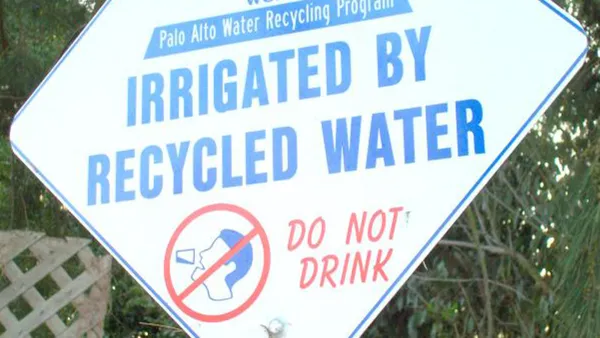
San Francisco Leading the Way in Water Recycling
San Francisco's water district has become the first in the nation to require newly constructed large buildings to collect and reuse nonpotable water.

Beyond the Big One: Real Recovery in San Francisco
What does it mean to be a Chief Resilience Officer for one America's largest cities? Doggerel spoke to Patrick Otellini, Chief Resilient Officer for San Francisco, to find out what it takes to make a truly resilient city.

San Francisco Enacts Plastic Water Bottle Ban
First came plastic bags, then styrofoam cups, and now, plastic water bottles—though the ban is not as far-reaching as the former two in that it is restricted to sales on city property, including street fairs.

Planetizen Federal Action Tracker
A weekly monitor of how Trump’s orders and actions are impacting planners and planning in America.

The state-sanctioned urbicide of Austin
People don’t kill cities. Freeways do.

US to reduce Colorado River water deliveries to Mexico
A new Colorado Treaty amendment reduces Mexico’s Colorado River water allocation by 250,000 acre feet.

5 New England states march closer to 800 megawatt wind energy project
Securing federal approval for the project may be complicated under the Trump administration, which has historically been hostile towards domestic wind power.

Baltimore to break ground on $50 million Transit Priority Project
The project will bring faster bus trips, safer streets and better bike connections to Baltimore.

Airbnb launches $250 million 'last-dollar financing' housing accelerator, makes first investment in Austin
The company will put $6.4 million towards affordable housing development in Texas’ capital.

FREE Course: Walkable City 1: Why Walkability?
After describing his path towards focusing on walkability as the essence of good planning, Jeff Speck marches through his five principal reasons for making more walkable places.
Reinventing Malls: Planning Alchemy—Turning Gray Fields Into Gold
The course focuses on the opportunities and imperatives that shape reinvention of mall sites.

Eagle County Government
Harvard University Graduate School of Design
Nashville Planning Department
The Architects Foundation
University of Cincinnati Online
The Pocatello Development Authority
The Urban Renewal Agency of the City of Pocatello
Journal of the American Planning Association