In post-Katrina New Orleans, a fine line exists between razing potentially deadly structures, and harnessing a zeal for wholesale redevelopment.


"Its proponents call it New Urbanism; detractors consider it another form of gentrification. In a nutshell, it's the effort to restore or create the essence of a city based on walkable neighborhoods and placing the things we need - such as grocery stores and doctor's offices - in the same area where we live.
Experts say New Orleans is the perfect laboratory to implement this strategy, and its elements are already in practice in neighborhoods such as the French Quarter, Mid-City and Uptown.
The 800-pound gorilla in the room is what happens to thousands of structures in the city that remain in limbo, hung up in the Road Home process or abandoned and teetering on the brink of collapse. How we implement New Urbanism or any form of recovery with the status and future of so many buildings is uncertain.
The Road Home is an issue all its own. For now, we'll address demolitions. Activist Matt McBride's database puts the number of demolition permits filed with the city since Katrina at 12,700 and climbing."
Thanks to Sandy Sorlien
Read the full story: Razing Questions
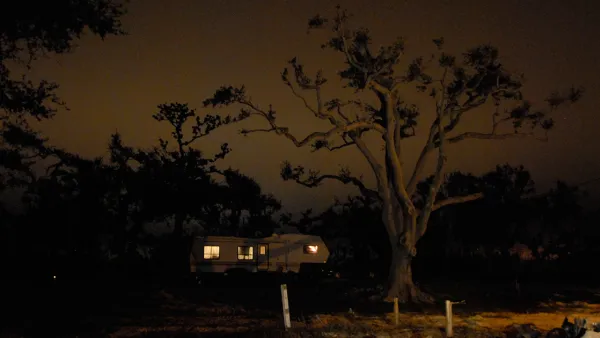
The Katrina Cottage Legacy
The New Urbanist Katrina Cottages initiative for the Gulf Coast appeared to be a failure but their legacy lives on in the SmartDwellings and in the Tiny House movement.
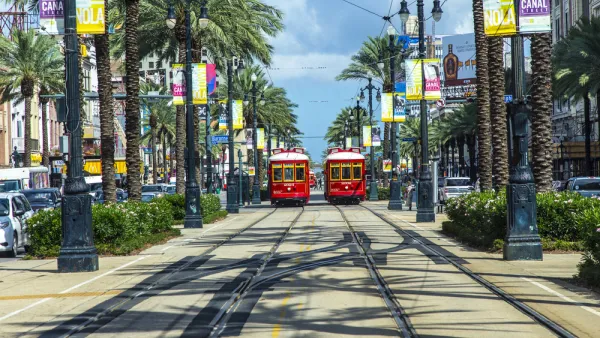
Two Narratives Collide in Post-Katrina New Orleans
“A narrative of rebirth, reform and success that coexists with a narrative of stasis, failure and unrealized dreams.”
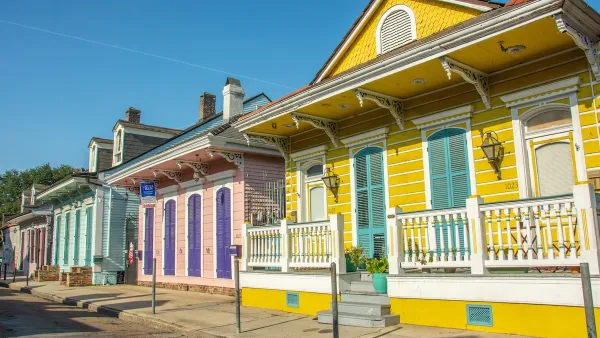
20 Years After Katrina, New Orleans is More Unaffordable Than Ever
The city’s post-hurricane redevelopment has failed to include its most vulnerable residents.

Planetizen Federal Action Tracker
A weekly monitor of how Trump’s orders and actions are impacting planners and planning in America.

California plans to bury El Niño’s downpour
If the state plays its cards right, it may be able to store a billion acre-feet of El Niño’s water in aquifers.

Desperate measures: Advocates weigh draining Lake Powell to fill Colorado River
Draining the reservoir could reduce evaporation losses by a couple hundred thousand acre-feet.

Chicago voters approve permanent festival grounds, penalty for vacant property owners
Currently, major summer and fall festivals take over public parks for weeks at a time, drawing criticism from nearby residents

NYC votes to cut outdoor dining red tape, speed up permitting
New York City also voted to allow the Department of Transportation to begin work on urgent projects before notifying elected officials.

California appears to reject Prop. 45
The proposition would have expanded the projects that qualify for a streamlined environmental review, effectively paring down the California Environmental Quality Act.

FREE Course: Walkable City 1: Why Walkability?
After describing his path towards focusing on walkability as the essence of good planning, Jeff Speck marches through his five principal reasons for making more walkable places.
Reinventing Malls: Planning Alchemy—Turning Gray Fields Into Gold
The course focuses on the opportunities and imperatives that shape reinvention of mall sites.

City of Rosemead
Rutgers University, Edward J. Bloustein School of Planning and Public Policy
One Hundred Miles
Hunter College, City University of New York (CUNY)
The Architects Foundation
University of Cincinnati Online
City of Cambridge
Montrose County
The Pocatello Development Authority