Floodplain development has proven time and time again to be big trouble when heavy rains come. But in Britain, that's not stopping it.


"By now we all know, or should know, that continuing to build on floodplains is not a very good idea. Unless we begin to design a new generation of buildings on stilts, or learn how to raise land up from the water as the Dutch do, or design new towns along the lines of Venice, then we should abandon all plans to build where waters are likely to rise.
Will we? Not a chance. In Britain floodplains are cheap land. We want lots of cheap new housing, ever more supermarkets, major roads, distribution depots and heavy traffic to serve the latest low-cost estates. You can see these homes currently marching their way along the flanks of Ely in Norfolk, capital of the water-sodden Fens, and, in particular, along the length of the Thames Gateway, the lands along the Essex and Kent banks of the Thames. We should be very wary indeed of building here."
Read the full story: One nation under water
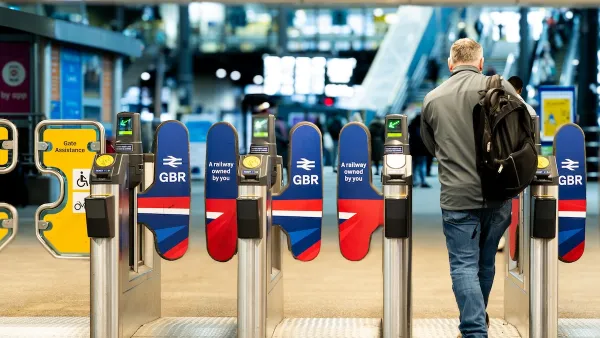
To privatize, or not to privatize? Lessons from Britain and Japan's railways
When Britain and Japan faced the consequences of monopolistic public transit, both countries divided their transit up into regional private companies — and saw very different outcomes.
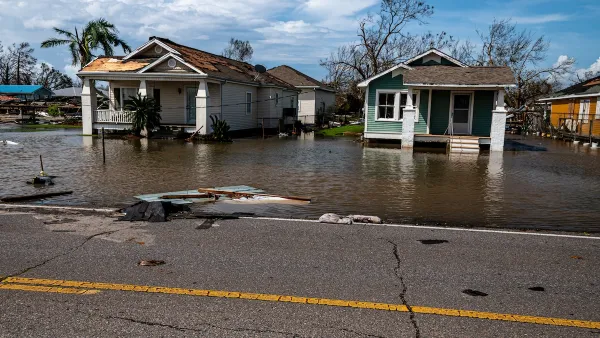
Floodplain Development Largely Concentrated in Gulf Coast States
Many U.S. cities use ‘routine’ practices like zoning changes and permitting to discourage development in high-risk flood zones.
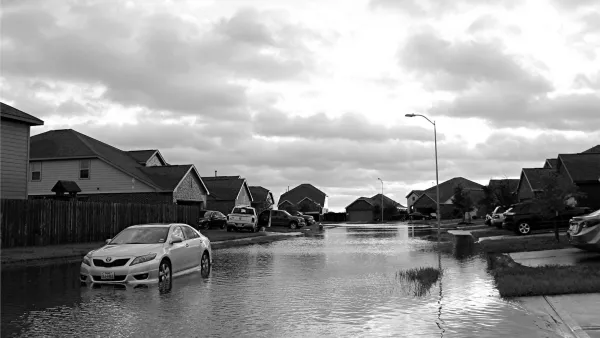
NPR: HUD Sells Flood-Prone Homes Without Disclosing Risks
The troubling trend is particularly pronounced in lower-income communities, where experts worry households are being inadvertently set up for big financial losses.

Planetizen Federal Action Tracker
A weekly monitor of how Trump’s orders and actions are impacting planners and planning in America.

California plans to bury El Niño’s downpour
If the state plays its cards right, it may be able to store a billion acre-feet of El Niño’s water in aquifers.

Desperate measures: Advocates weigh draining Lake Powell to fill Colorado River
Draining the reservoir could reduce evaporation losses by a couple hundred thousand acre-feet.

Study reveals best places in the U.S. for cycling, walking
New research from Streetlight Data examines bicycle and pedestrian miles per capita in the 100 largest U.S. cities by population.

Los Angeles just elected an urban planner as its mayor
Transportation analysts are optimistic that Raman will be more aggressive in addressing transit issues than Bass.

Mamdani’s pied-à-terre tax survives legal challenge
A panel of judges found that the plaintiffs failed to demonstrate injury as a result of New York City's implementation of the tax.

FREE Course: Walkable City 1: Why Walkability?
After describing his path towards focusing on walkability as the essence of good planning, Jeff Speck marches through his five principal reasons for making more walkable places.
Reinventing Malls: Planning Alchemy—Turning Gray Fields Into Gold
The course focuses on the opportunities and imperatives that shape reinvention of mall sites.

City of Rosemead
Rutgers University, Edward J. Bloustein School of Planning and Public Policy
One Hundred Miles
University of Michigan School for Environment and Sustainability (SEAS)
Hunter College, City University of New York (CUNY)
The Architects Foundation
City of Cambridge
Montrose County
The Pocatello Development Authority