Sewage issues in Ottawa are bringing attention to the significant infrastructure problems associated with sprawl.


"The genesis of the infrastructure mess plaguing cities is not very complicated. Municipal politicians and planners allowed cities to get too big, to sprawl, creating long distances to extend infrastructure from the core.
In Ottawa, roads, electrical lines and water mains cover huge swaths of geography to serve a spread out, density-poor population.
So when the city gets lots of snow as it did last winter, the snow-plowing budget goes through the roof. When the roads get too long, the hotpatching budget for filling potholes gets larger and larger. When the cost of asphalt increases, so too does the hotpatching bill. Then the long roads need rebuilding or repaving.
In recent weeks, infrastructure anxieties in Ottawa have focused on our inadequate sewer systems, which after heavy rains end up fouling our beaches and the river from which residents in parts of Eastern Ontario and West Quebec get their drinking water."
Read the full story: Finally, we're talking sewage

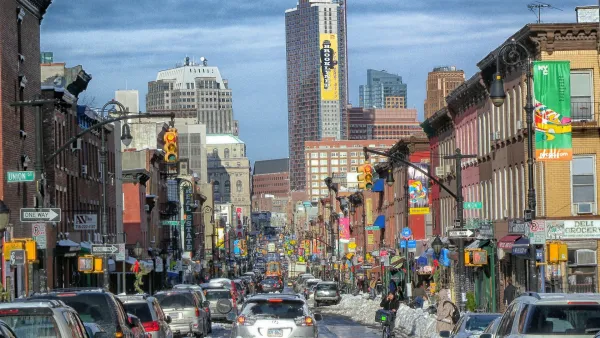
Thinking About Infrastructure and Housing, Part 2
Is inadequate infrastructure a reason to keep new housing out of cities?
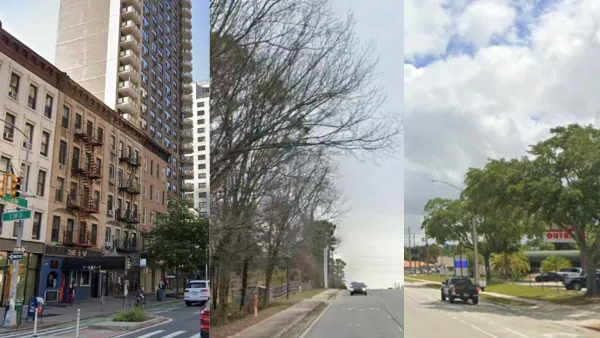
A Transect of sprawl
A development pattern this lifestyle-defining deserves its whole own classification system.

What the fall of earth's largest pre-industrial city can teach us about urban sprawl
Angkor was a low-density metropolis. It lasted six centuries, until it could no longer maintain its infrastructure in a changing climate. Today, it offers planners a sobering warning about the risks of dispersed urban living.

Planetizen Federal Action Tracker
A weekly monitor of how Trump’s orders and actions are impacting planners and planning in America.

‘Going backwards:’ Baltimore mayor, students rally against state's transit funding plan
Maryland's proposed six-year plan provides no funding for Baltimore’s BMORE bus program and reduces its road maintenance funding.
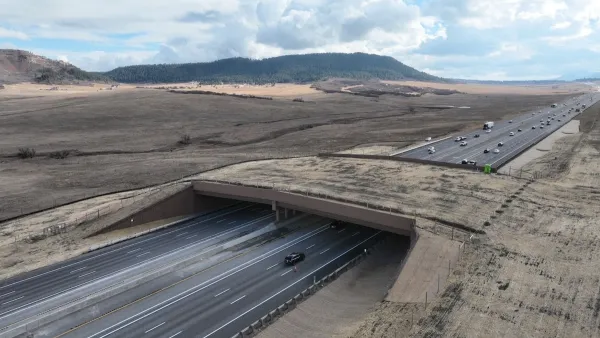
Record-breaking wildlife overpass in Colorado brings 91% reduction in animal collisions
Prior to the overpass, vehicles were hitting one deer per day on Colorado’s Interstate 25.

Mamdani sent nearly 6,000 pied-à-terre tax warnings to homes that didn’t qualify
A judge has ordered the administration to cancel thousands of pied-à-terre tax notices after it sent 35% of them erroneously.

Detroit to transform waterfront with $2.2 billion investment
Developers will convert about 18 acres of unused parking lot space into civic spaces.

‘Going backwards:’ Baltimore mayor, students rally against state's transit funding plan
Maryland's proposed six-year plan provides no funding for Baltimore’s BMORE bus program and reduces its road maintenance funding.

FREE Course: Walkable City 1: Why Walkability?
After describing his path towards focusing on walkability as the essence of good planning, Jeff Speck marches through his five principal reasons for making more walkable places.
Reinventing Malls: Planning Alchemy—Turning Gray Fields Into Gold
The course focuses on the opportunities and imperatives that shape reinvention of mall sites.

City of Thousand Oaks
City of Wisconsin Rapids
Harvard University Graduate School of Design
The Architects Foundation
University of Cincinnati Online
Northern Illinois Transit Authority (NITA)
The Pocatello Development Authority
The Urban Renewal Agency of the City of Pocatello