The amount of people living in homeless shelters and on U.S. streets has dropped roughly 30% since 2005, according to recent statistics compiled by the federal government.


"Housing officials say the statistics, which are collected annually from more than 3,800 cities and counties, may reflect better data collection and some variation in the number of communities reporting. But officials also attribute much of the decline to a policy shift promoted by Congress and the administration that has focused federal and local resources on finding stable housing for homeless people suffering from drug addiction, mental illness or physical disabilities, long deemed the hardest to help in the homeless population."
"Under the strategy, known as 'housing first,' local officials have over the last eight years increasingly placed the chronically homeless into permanent shelter - apartments, halfway houses or rooms - and provided them with services for drug addiction, mental illness and health problems."
Read the full story: U.S. Reports Drop in Homeless Population
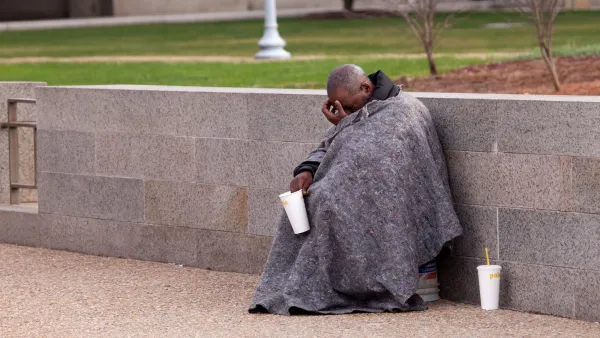
HUD: US homelessness grew by 27% since 2013
Despite the alarming increase in unhoused Americans, HUD is asking for a budget reduction.
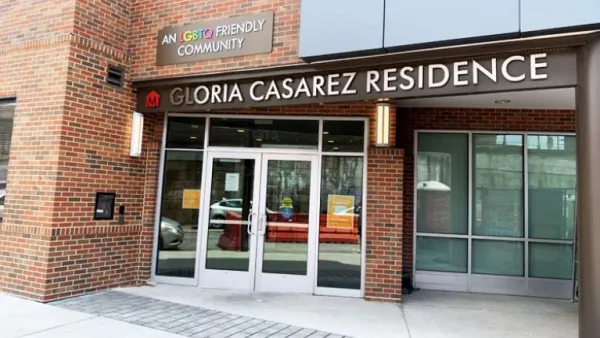
Philadelphia Supportive Housing Providers Brace for 'Misguided' Loss of Tens of Million in Federal Funds
A shift in focus from ‘Housing First’ policies to more restrictive approaches to homelessness could eliminate funding for long-term housing providers.
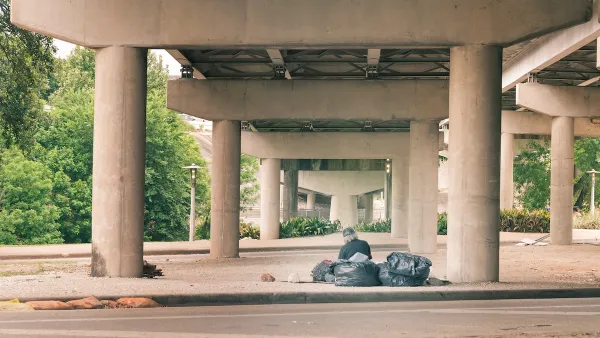
After Years of Success, Houston Sees Spike in Unsheltered Homelessness
Unsheltered homelessness rose by 16 percent in 2025 despite the city’s previous success in reducing the number of people living on the streets.

Desperate measures: Advocates weigh draining Lake Powell to fill Colorado River
Draining the reservoir could reduce evaporation losses by a couple hundred thousand acre-feet.

Eastern Nebraska is running out of electricity
Data centers and electrification are straining eastern Nebraska’s grid, throttling economic development.

Move over, LA: St. Louis gears up for Olympics, invests millions in downtown redevelopment
The Missouri city will host the 2028 Olympic soccer group stage and knockout matches.

California, Hawaii, Rhode Island approve housing propositions
Hawaii and Rhode Island each approved their sole proposition, while California approved two of its three.

Officials claim feds 'rushed' Amtrak environmental review
Amtrak plans to move their Chicago maintenance facility from an industrial area to a residential one.

NYC breaks ground on anti-flooding infrastructure project
New York City's new system will reduce stormwater flows to local sewers by 90%.

FREE Course: Walkable City 1: Why Walkability?
After describing his path towards focusing on walkability as the essence of good planning, Jeff Speck marches through his five principal reasons for making more walkable places.
Reinventing Malls: Planning Alchemy—Turning Gray Fields Into Gold
The course focuses on the opportunities and imperatives that shape reinvention of mall sites.

City of Rosemead
Rutgers University, Edward J. Bloustein School of Planning and Public Policy
One Hundred Miles
University of Michigan School for Environment and Sustainability (SEAS)
Hunter College, City University of New York (CUNY)
The Architects Foundation
City of Cambridge
Montrose County
The Pocatello Development Authority