The 'Nano', a tiny car that gets 47 miles to the gallon and has low emissions, is hitting the Indian market. Environmentalists worry that the car's advantages will be outweighed by the increase in car ownership it may bring to the country.


"The Nano, which was announced in January and is expected to debut later this year, is the first in a wave of extremely cheap cars intended to put a multitude of new motorists behind the wheel for the first time. It carries a basic price of 100,000 Indian rupees, or roughly $2,500, about half the current cost of its nearest rival. The manufacturer, Tata Motors, says a wholly new market is opening up in India."
"Per capita, the number of Indians who own passenger cars is still very low when compared with developed countries -- just eight in 1,000. But, to the alarm of environmentalists, that number is growing rapidly.
Tata plans to start out producing 250,000 Nanos a year, eventually rising to 1 million. The car is expected to start rolling out late this year."
Read the full story: In India, Cheap Car Will Challenge Two-Wheelers

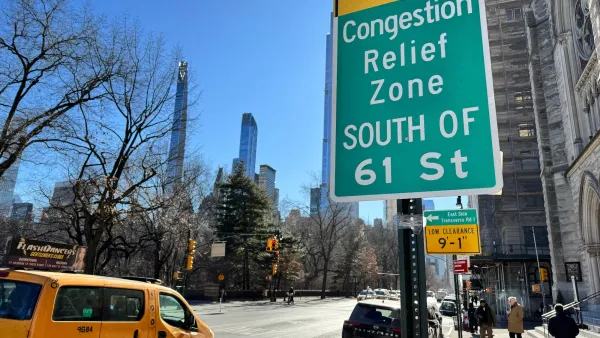
2025’s Biggest Transportation Wins
Even in a rough year, there are victories worth celebrating.
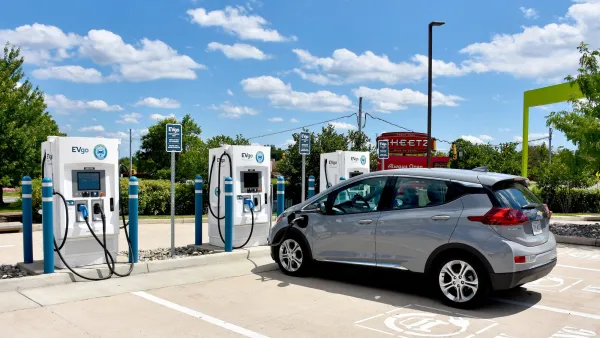
The Federal EV Tax Credit is Gone — But No One Told Google AI
Despite getting other details about the now-defunct program right, Google’s AI search summary continues to tell users they can receive a $7,500 federal tax credit for buying an EV.
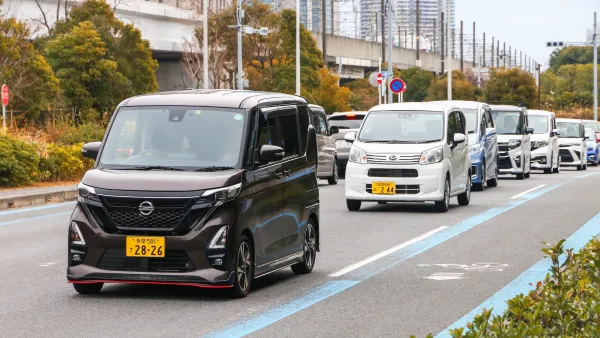
Bringing ‘Cute’ Tiny Cars to America Calls for Rethinking our Roadways
President Trump supports Japanese ‘kei’ cars, but experts say for them to catch on, we need to make major changes in our roadways and transportation infrastructure.

Planetizen Federal Action Tracker
A weekly monitor of how Trump’s orders and actions are impacting planners and planning in America.

Amtrak, CN end decades-long dispute with eight-year agreement
The new operating agreement establishes an updated framework for the companies to work together, including processes to resolve disputes.

Judges permit Denver to divert 77,000 acre feet from the Colorado River for reservoir expansion
Overuse and climate change have caused the Colorado River’s water levels to plummet.

Philadelphia to invest $2 billion into upgrading city airports as PHL places last in customer satisfaction
Modernizations to Philadelphia's airports will include baggage system upgrades and a new automated parking garage guidance system.

The LA housing policies making developers turn away from the city
Despite LA’s housing shortage, developers say the city’s "mansion-tax" and pandemic-era policies make it an unappealing place to build housing.

New density bill would require 7 California cities to establish regional transit hubs
The bill would also require major cities in California to permit high-rise residential buildings.

FREE Course: Walkable City 1: Why Walkability?
After describing his path towards focusing on walkability as the essence of good planning, Jeff Speck marches through his five principal reasons for making more walkable places.
Reinventing Malls: Planning Alchemy—Turning Gray Fields Into Gold
The course focuses on the opportunities and imperatives that shape reinvention of mall sites.

City of Wisconsin Rapids
Harvard University Graduate School of Design
KFH Group Inc.
The Architects Foundation
University of Cincinnati Online
The Pocatello Development Authority
The Urban Renewal Agency of the City of Pocatello