A committee in Baltimore charged with the task of encouraging more public involvement in land use decisions is learning how difficult that can be as it faces criticism that its own meetings didn't get enough participation from residents.


"Though a residents' committee charged with studying ways to better involve residents in land-use decisions agreed on 40 recommendations, the group is drawing criticism - from within and without - that it did not do enough.
The Public Engagement in Land Use Task Force, which was created by two County Council members, is scheduled to formally report its findings to the council May 27.
The group's 40 recommendations include:
•Creating a brochure in print and on the county government Web site that explains how to participate in the land-use decision process.
•Establishing a Web page and a handbook describing how residents can get information on land use.
•Providing a county official, when requested, at developers' required presubmission meetings to explain procedures to residents.
•Recording and broadcasting Planning Board and council meetings and work sessions on government TV and on the Internet.
But some community activists who were on the committee said the group's efforts were unduly influenced by members with development interests, lacked firm direction and did too little to give residents more influence in how county land is used."
FULL STORY: Land-use panel draws criticism


Montana Land Use Reform Overhauls Public Participation Rules
In a bid to streamline housing permits, new state legislation limits public input to the land use planning stage.
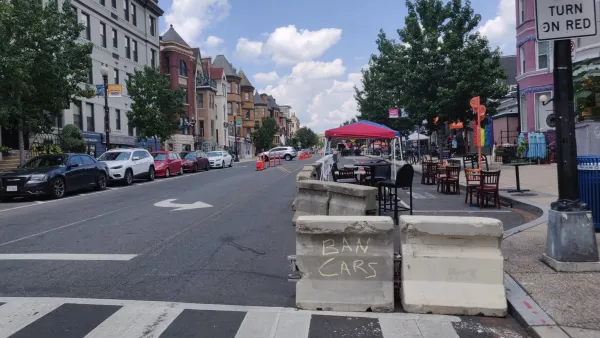
The Slow Streets Reckoning
Slow streets programs provided a quick short-term solution and paved the way for some permanent street closures and realignments. Now, these programs are getting a second look as community groups react to the changes.
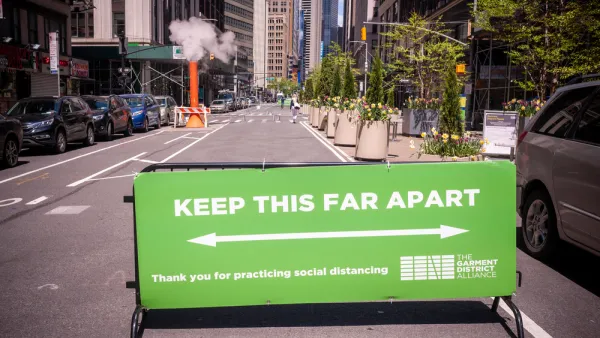
Pandemic Planning Must Reconcile With the Inequities of the Past
The ongoing debate about the role of marginalized communities in the emergency planning programs of the pandemic has now been detailed on the pages of the New York Times.

Planetizen Federal Action Tracker
A weekly monitor of how Trump’s orders and actions are impacting planners and planning in America.

The state-sanctioned urbicide of Austin
People don’t kill cities. Freeways do.

US to reduce Colorado River water deliveries to Mexico
A new Colorado Treaty amendment reduces Mexico’s Colorado River water allocation by 250,000 acre feet.

5 New England states march closer to 800 megawatt wind energy project
Securing federal approval for the project may be complicated under the Trump administration, which has historically been hostile towards domestic wind power.

Baltimore to break ground on $50 million Transit Priority Project
The project will bring faster bus trips, safer streets and better bike connections to Baltimore.

Airbnb launches $250 million 'last-dollar financing' housing accelerator, makes first investment in Austin
The company will put $6.4 million towards affordable housing development in Texas’ capital.

FREE Course: Walkable City 1: Why Walkability?
After describing his path towards focusing on walkability as the essence of good planning, Jeff Speck marches through his five principal reasons for making more walkable places.
Reinventing Malls: Planning Alchemy—Turning Gray Fields Into Gold
The course focuses on the opportunities and imperatives that shape reinvention of mall sites.

Eagle County Government
Harvard University Graduate School of Design
Nashville Planning Department
The Architects Foundation
University of Cincinnati Online
The Pocatello Development Authority
The Urban Renewal Agency of the City of Pocatello
Journal of the American Planning Association