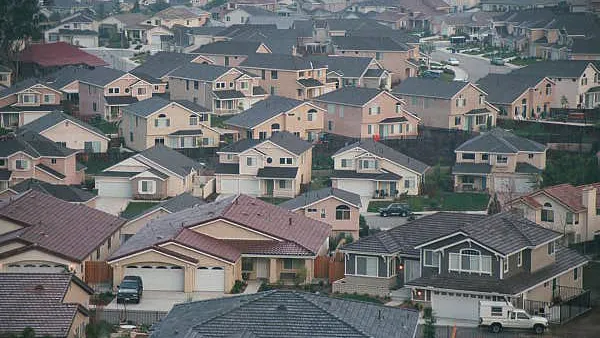
With high foreclosure rates and growing numbers of residents delinquent with their dues, many homeowners associations are having a hard time paying for repairs and amenities.


"Here's another consequence of the troubled housing market: Some homeowners associations are running low on cash.
The association at Monaco Place, a community of single-family homes and condominiums in Denver, is short $250,000 of its $9.3 million annual operating budget. It can't pay for needed roof and siding repairs to homes. Potholes in the streets haven't been filled in order to save money to keep electricity running in common areas, says Dee Tyler, CEO of Colorado Association Services, which manages the association. Monaco Place was already suffering from a high rate of foreclosures before the credit crunch hit. In the past three years, about a third of its 193 units have been foreclosed on.
Like Monaco Place, a growing number of homeowner and condominium associations across the country are raising their fees or putting the brakes on clubhouse improvements, new landscaping and other shared neighborhood amenities. The kitty is so low for some that essential services, such as building maintenance, electricity, trash removal and repairs have been cut."
Read the full story: As Dues Dry Up, The Neighbors Pay
Zoning Our Way to HOA Insanity
If local's so great, why is the HOA, the country's most popular form of micro-governance, such an impediment to complete, complex and convivial communities? Scott Doyon has some ideas.
Tensions in Condo Complexes Over Foreclosures, Neglect
Reporter Dan Fitzpatrick goes to Florida, where slow foreclosures are making cranky neighbors who are footing the bill for the upkeep.
Greens Vs. HOAs
HOAs are mandated to protect the aesthetics of their community. That goal is clashing with many who want to install solar panels on their roofs. States are fighting back with laws prohibiting HOAs from banning panels.

Washington state to charge fee to drivers with fuel-efficient cars
Revenue from the fee will go towards supporting the state’s highways.

Illinois considers spending $1 billion in taxpayer money on data center
A quantum computing campus and data center are currently under construction in Chicago.

Trump to blast ‘hydrocarbon highway’ through ‘world’s longest art gallery’
Environmental and historic preservation groups are suing to stop the project.

NYC, state sue feds over mixed-immigration-status housing assistance rule
The state’s lawsuit argues that the rule change violates the Administrative Procedure Act.

Michigan to turn neighborhood into virtual power plant
Residents will soon be able to divert their excess energy to the grid in exchange for compensation.

Data center, mining project swarm to long-awaited Alaska railroad line
The state-owned railroad approved final plans for the spur line this week; the project is expected to cost $311 million, mostly funded by the federal government

FREE Course: Walkable City 1: Why Walkability?
After describing his path towards focusing on walkability as the essence of good planning, Jeff Speck marches through his five principal reasons for making more walkable places.
Reinventing Malls: Planning Alchemy—Turning Gray Fields Into Gold
The course focuses on the opportunities and imperatives that shape reinvention of mall sites.

City of Charlotte
City of Rosemead
Rutgers University, Edward J. Bloustein School of Planning and Public Policy
University of Michigan School for Environment and Sustainability (SEAS)
Hunter College, City University of New York (CUNY)
The Architects Foundation
University District Partnership