Builders and planners are gathering in Detroit to discuss funding options for brownfield redevelopment and learn from region's experience transforming these community eyesores.


"Stanley Rich remembers when ash fell from the sky like snow, coating his car and house with gray powder.
The trash incinerator that spewed ash in Clinton Township was shut down in 1999. All that's left are a vacant field and questions about what chemicals may lurk beneath the surface.
"It was ugly," said Rich, 80. "I would love to see something go in there."
Rich and his neighbors near Quinn Road may get their wishes as a nonprofit group aims to turn the property into affordable housing for seniors and grandparents raising grandchildren. A golf course also is planned.
The site is among hundreds of parcels, built upon in the distant past and often left polluted, called brownfields. These properties are found throughout metro Detroit, but they are being cleaned up and put back into productive use thanks, in part, to a variety of tax credits, government grants and other aid aimed at revitalizing older urban areas."
Read the full story: Brownfields of dreams

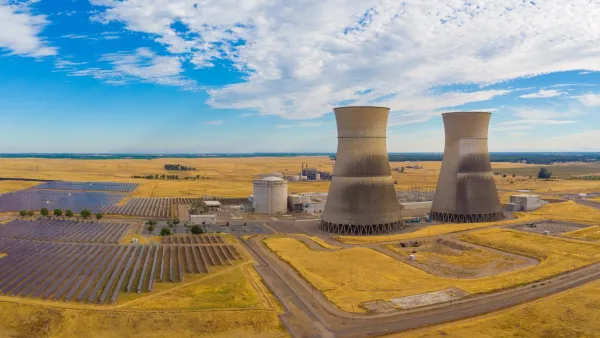
What data center host communities can learn from former nuclear hubs
The sometimes painful process of decommissioning former nuclear facilities offers useful lessons for communities planning to host data centers.
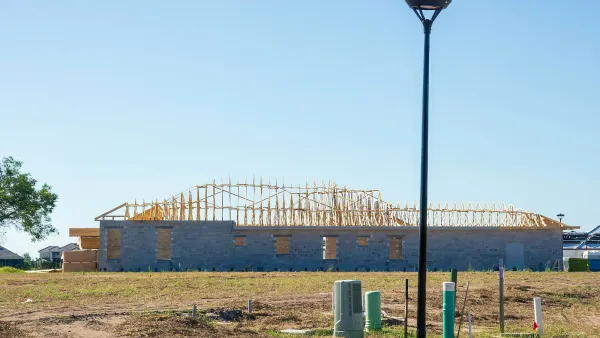
Florida Legislature Passes Bill to Encourage Infill Housing on Brownfields
If signed by the state’s governor, the bill would require cities to allow housing development on lots over 5 acres.
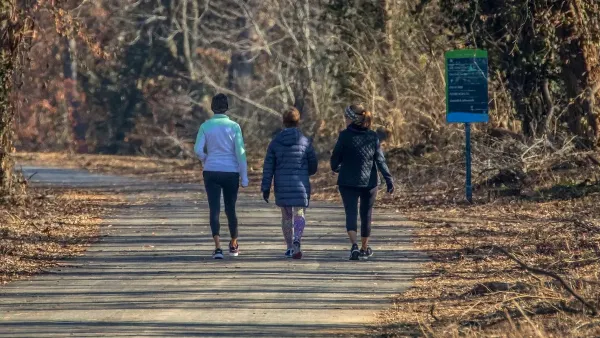
Transforming Brownfields into a Regional Destination: The Rise of Origin Park
River Heritage Conservancy is transforming more than 400 acres of former junkyards, brownfields, and landfills in Southern Indiana into Origin Park, a nature and recreation destination that will honor the site’s history.

Planetizen Federal Action Tracker
A weekly monitor of how Trump’s orders and actions are impacting planners and planning in America.

California plans to bury El Niño’s downpour
If the state plays its cards right, it may be able to store a billion acre-feet of El Niño’s water in aquifers.

Chicago breaks ground on $3 billion megadevelopment
The new neighborhood, titled Foundry Park, will one day host 3,700 residences.

Satanic Place Names
From streams and lakes to valleys and canyons, I mapped more than 1,000 places named after the Devil.

California High-Speed Rail Authority CEO resigns after $600,000 scandal
Under Ian Choudri, the authority used taxpayer dollars to fund first class flights and trips to nightclubs.

Want to study the Missouri River? Soon, you may need unanimous approval from 10 states
Legislation would require 10 governors’ permission to study or build projects moving water outside the basin.

FREE Course: Walkable City 1: Why Walkability?
After describing his path towards focusing on walkability as the essence of good planning, Jeff Speck marches through his five principal reasons for making more walkable places.
Reinventing Malls: Planning Alchemy—Turning Gray Fields Into Gold
The course focuses on the opportunities and imperatives that shape reinvention of mall sites.

City of Rosemead
Rutgers University, Edward J. Bloustein School of Planning and Public Policy
One Hundred Miles
Hunter College, City University of New York (CUNY)
The Architects Foundation
University of Cincinnati Online
City of Cambridge
Montrose County
The Pocatello Development Authority