Some transit agencies are hoping to woo riders by providing internet access on bus and rail vehicles, allowing commuters to check email and surf the web on the way to work.


"Laura Jones has a daily 45-minute commute aboard a King County Metro Transit (KCMT) bus to and from work. For this account coordinator at Lewis PR in Seattle, that's 90 minutes of lost productivity. So, you'll often find Jones with her MacBook flipped open, checking e-mail, surfing the Web, or doing something work-related, thanks to KCMT's free Wi-Fi access.
"45 minutes is a long time back and forth," Jones said. "So, any of that time I can use to do something productive is always worth it."
By deploying a wireless infrastructure, public transportation companies, like King Metro, are offering free Wi-Fi access for riders-an amenity that could help boost ridership.
"Rail and bus companies are using Wi-Fi to entice more passengers to use their service," said Esme Vos, an intellectual property lawyer based in Amsterdam and founder of MuniWireless.com."
Read the full story: Is In-Vehicle Wi-Fi a Boon For Commuters?
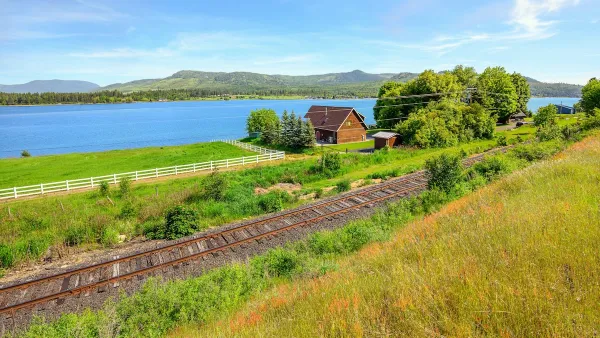
Idaho may see an 18% drop in federal surface transit funding — the largest estimated cut in the US
Transit systems in rural communities are much more reliant on federal funding to provide their services.
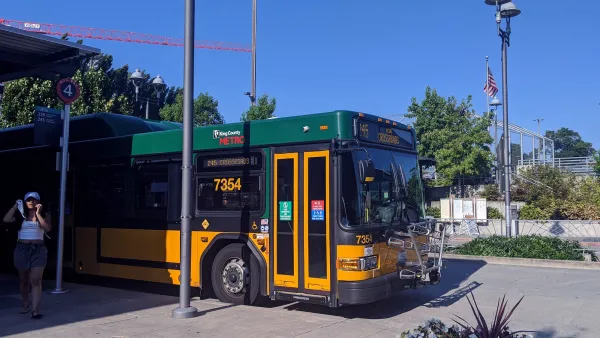
King County Metro adds 3,000 weekly bus trips, more connections to rail
King County Metro and Sound Transit are both making major adjustments to their bus networks to improve light rail connectivity across the region.
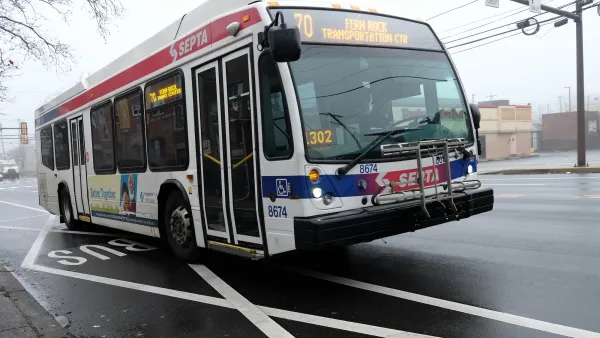
Pennsylvania lawmaker wants to ban fully self-driving buses
State Rep. Ben Waxman's proposed bill would require autonomous buses to have a licensed driver on board.

Planetizen Federal Action Tracker
A weekly monitor of how Trump’s orders and actions are impacting planners and planning in America.

California plans to bury El Niño’s downpour
If the state plays its cards right, it may be able to store a billion acre-feet of El Niño’s water in aquifers.

Desperate measures: Advocates weigh draining Lake Powell to fill Colorado River
Draining the reservoir could reduce evaporation losses by a couple hundred thousand acre-feet.

Post election, Texas is no longer Musk’s 'AI oasis'
Elon Musk dolled out $446 million on the 2026 midterms, the most ever spent by a non-canidate.

Chicago voters approve permanent festival grounds, penalty for vacant property owners
Currently, major summer and fall festivals take over public parks for weeks at a time, drawing criticism from nearby residents

NYC votes to cut outdoor dining red tape, speed up permitting
New York City also voted to allow the Department of Transportation to begin work on urgent projects before notifying elected officials.

FREE Course: Walkable City 1: Why Walkability?
After describing his path towards focusing on walkability as the essence of good planning, Jeff Speck marches through his five principal reasons for making more walkable places.
Reinventing Malls: Planning Alchemy—Turning Gray Fields Into Gold
The course focuses on the opportunities and imperatives that shape reinvention of mall sites.

City of Rosemead
Rutgers University, Edward J. Bloustein School of Planning and Public Policy
One Hundred Miles
Hunter College, City University of New York (CUNY)
The Architects Foundation
University of Cincinnati Online
City of Cambridge
Montrose County
The Pocatello Development Authority