In recent years, many large conservation plans -- including the plan that led Australia to ban fishing on a third of the Great Barrier Reef -- were produced using a computer program called Marxan. Software developer and Australian professor Hugh P. Possingham is now raising questions about the validity of the software in certain circumstances, Second Thoughts for a Designer of Software That Aids Conservation


In recent years, many large conservation plans -- including the plan that led Australia to ban fishing on a third of the Great Barrier Reef -- were produced using a computer program called Marxan.
 Software developer and Australian professor Hugh P. Possingham is now raising questions about the validity of the software in certain circumstances, Second Thoughts for a Designer of Software That Aids Conservation (New York Times).
In a recent study, Possingham found that unless the software recommendations are implemented within 12 months, the software is less accurate than the rules of thumb that conservationists typically use "in the dark, primitive pre-software days."
"In nearly every case, the simple rules performed better than the optimal plan. Even the simplest opportunistic decision-making - buying any available property that sheltered some species of concern - performed just about as well as the optimal plan. Dr. Andelman said she was surprised at how badly the plan performed and how quickly it became useless compared with the simple rules. "
Sure, I'm an advocate of technology. But I think some sort of scientific evaluation of planning support systems is sorely needed. As more cities and counties turn to technology to help advise policymakers about the best planning decisions, we -- as the planning community -- need confirmation that the technology we are using really does lead to better planning decisions.


Planetizen Federal Action Tracker
A weekly monitor of how Trump’s orders and actions are impacting planners and planning in America.

The state-sanctioned urbicide of Austin
People don’t kill cities. Freeways do.

Colorado’s Largest Data Center Could Rise Next to Homes — Without a Public Hearing
The proposed campus would consume 11 times the power of Denver International Airport; as it has across the country, opposition mounts.
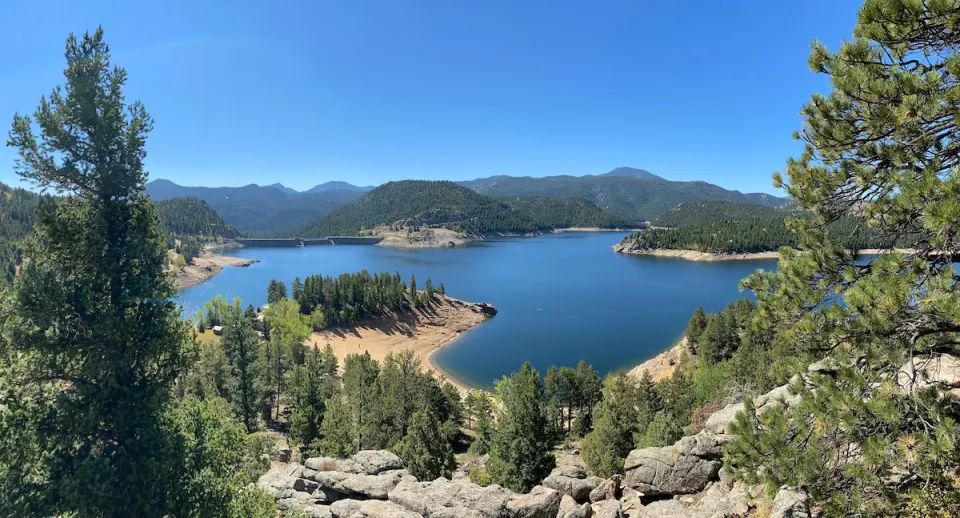
Judges permit Denver to divert 77,000 acre feet from the Colorado River for reservoir expansion
Overuse and climate change have caused the Colorado River’s water levels to plummet.

Amtrak, CN end decades-long dispute with eight-year agreement
The new operating agreement establishes an updated framework for the companies to work together, including processes to resolve disputes.

Raised interest rates may kill financially vulnerable construction projects
The chief economist at ConstructConnect warns that if construction project owners are negatively impacted by the raised rates, it could result in delayed payments to contractors.

FREE Course: Walkable City 1: Why Walkability?
After describing his path towards focusing on walkability as the essence of good planning, Jeff Speck marches through his five principal reasons for making more walkable places.
Reinventing Malls: Planning Alchemy—Turning Gray Fields Into Gold
The course focuses on the opportunities and imperatives that shape reinvention of mall sites.

KFH Group Inc.
Greater Baltimore Committee
Eagle County Government
The Architects Foundation
University of Cincinnati Online
The Pocatello Development Authority
The Urban Renewal Agency of the City of Pocatello

