This article from the Albany Times Union looks at the importance of using a regional approach to addressing poverty, crime and inner city blight.


"We seem to understand on an international basis that there is a direct relationship between poverty, disenfranchisement and instability."
"Suburbs and rural areas have a vested interest in cities' health. Cities are our cultural centers and in many ways reflect the future diversity of our country. They are still our government centers."
"A hollowed-out urban center benefits no one. In fact, it has been well established that any decline in the inner city has a profound effect on neighboring suburbs and rural areas. According to a 1997 U.S. Department of Housing and Urban Development report, 87 percent of the new jobs created in the early '90s in the lower-paying and lower-skilled service and retail sectors were located in the suburbs."
"Perhaps after many years of cut-throat competition and major economic development outside the inner cities, Capital Region communities will cooperate with their neighbors."
Read the full story: Combat poverty with a regional approach

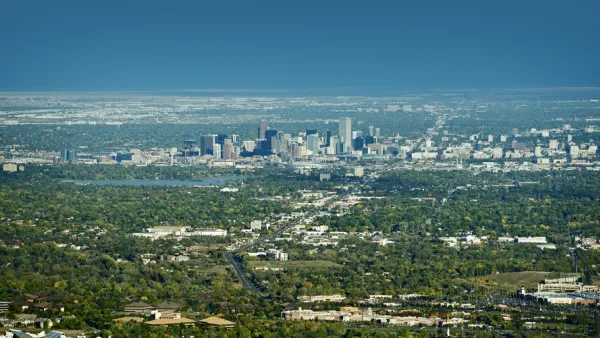
Suburban Poverty in the Denver Region Compares Favorably to National Averages
A more nuanced understanding of suburban poverty is available from an examination of the Denver region.

Report: Britain's Suburbs on the Decline
London's central core never experienced the deterioration many American downtowns lived through, but the inner city/suburb dynamic was still at play. Now poverty is moving outward.
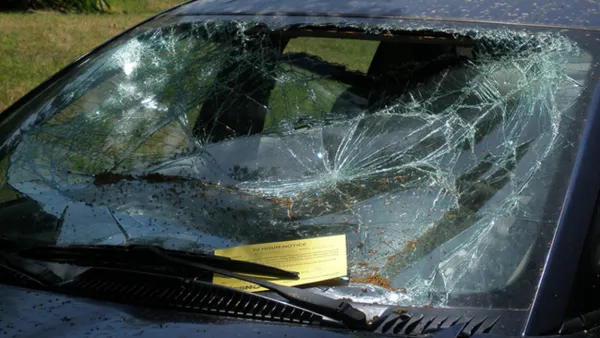
Fresno's Troubled Housing History
The crisis facing many Fresno renters is nothing new. A history of housing in the city shows how, since the late 19th century, poor housing conditions have been "ingrained in Fresno's culture."

Planetizen Federal Action Tracker
A weekly monitor of how Trump’s orders and actions are impacting planners and planning in America.

‘Going backwards:’ Baltimore mayor, students rally against state's transit funding plan
Maryland's proposed six-year plan provides no funding for Baltimore’s BMORE bus program and reduces its road maintenance funding.

Detroit to transform waterfront with $2.2 billion investment
Developers will convert about 18 acres of unused parking lot space into civic spaces.

85-year-old ranch is Texas’ newest state park
The 650 acre ranch is one of the largest parcels of land along Lake Palestine.

MIT to create AI-powered hub for public transportation companies
Google awarded the project, titled the Public Transit Intelligence Hub, $2.1 million in funding.

A 3D concrete printer may solve Virginia’s housing crisis
The printer is able to build concrete walls much faster than humans, and can do so directly at job sites.

FREE Course: Walkable City 1: Why Walkability?
After describing his path towards focusing on walkability as the essence of good planning, Jeff Speck marches through his five principal reasons for making more walkable places.
Reinventing Malls: Planning Alchemy—Turning Gray Fields Into Gold
The course focuses on the opportunities and imperatives that shape reinvention of mall sites.

City of Thousand Oaks
City of Wisconsin Rapids
Harvard University Graduate School of Design
The Architects Foundation
University of Cincinnati Online
Northern Illinois Transit Authority (NITA)
The Pocatello Development Authority
The Urban Renewal Agency of the City of Pocatello