If a group of bipartisan governors from some of the nation's largest states have their way, the $168 billion economic stimulus package will include $30 billion to repair the nation's infrastructure, including road, rail, and bridges.


"Bush signed a $168 billion stimulus package this month that included tax rebates of $300 to $1,200 per household. But the White House opposed efforts to add spending for infrastructure, saying the money could not be spent quickly enough to jump-start the economy."
"The push comes at a crucial time, with many states taking a budget hit as a sagging economy slows tax receipts. California Legislative Analyst Elizabeth Hill said last week that the state is facing a $16 billion budget shortfall that will take spending cuts and tax increases to close."
"House Speaker Nancy Pelosi, D-San Francisco, has left open the possibility of more stimulus measures this year, but infrastructure will be competing with other proposals, such as extending jobless benefits and increasing food stamps, which Democrats have pushed.
Then there's the thorny question of how to pay for it. A new report by the National Surface Transportation Policy and Revenue Study Commission recommended increasing the gas tax by 25 to 41 cents to raise money for transportation projects. But the White House strongly opposes it, and congressional leaders are leery of raising the tax with gas prices higher than $3 per gallon."
Additional funding sources were were announced last month by governors and "New York Mayor Michael Bloomberg, who formed the Building America's Future coalition, which is funded by the Rockefeller Foundation."
Thanks to MTC Library
Read the full story: Governors want federal transportation funds

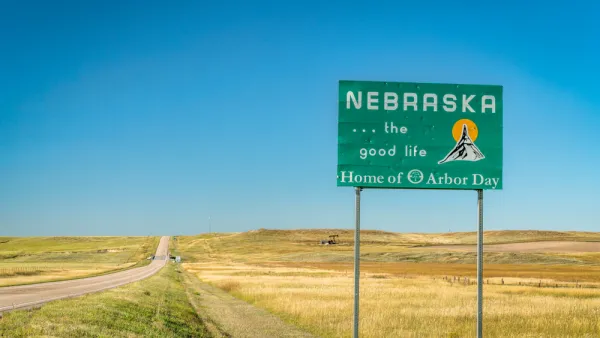
Rural States Refusing Federal Housing Aid
Rural states like Nebraska, Montana, and West Virginia have refused federal funding to aid vulnerable renters during the economic shocks of the pandemic, and that money is now headed to other parts of the country.
Historic 'Infrastructure Investment and Jobs Act' Passes Final Hurdle in Congress, Heads to Biden for Signature
Months after the Senate voted to approve the Infrastructure Investment and Jobs Act in a historic moment of bipartisan legislation, the House of Representatives put the finishing touches on a $1.2 trillion bill with $550 million in new spending.
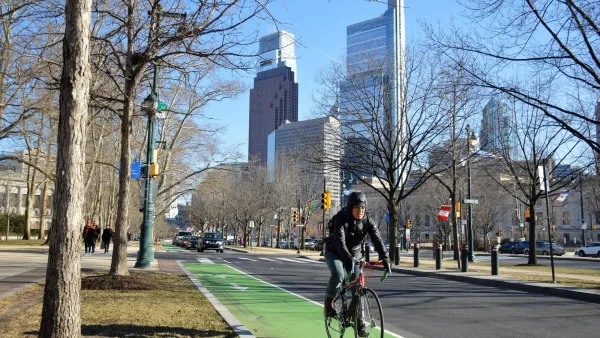
How to Maximize the Local Impact of the American Rescue Plan
A new report provides advice and guidance on how cities, with Philadelphia as its example, can make the most of the historic funding opportunities made available by the American Rescue Plan approved by Congress earlier this year.

Planetizen Federal Action Tracker
A weekly monitor of how Trump’s orders and actions are impacting planners and planning in America.

Amtrak, CN end decades-long dispute with eight-year agreement
The new operating agreement establishes an updated framework for the companies to work together, including processes to resolve disputes.

Judges permit Denver to divert 77,000 acre feet from the Colorado River for reservoir expansion
Overuse and climate change have caused the Colorado River’s water levels to plummet.

NYC DOT wants faster, more permanent street upgrades
The city is examining ways to build more concrete infrastructure without getting entangled in 'decades-long' projects.

'Something we’ve never seen before:' rising utility rates could strain city finances nationwide
Data centers, climate change and other factors have caused utility rates in the United States to increase by 38% since 2020.

Trump to overrule local leaders, lease millions of acres of America’s Pacific Island territories’ seafloors to mining companies
International law says that the Indigenous people of America’s territories have a right to prior and informed consent regarding projects that impact their countries.

FREE Course: Walkable City 1: Why Walkability?
After describing his path towards focusing on walkability as the essence of good planning, Jeff Speck marches through his five principal reasons for making more walkable places.
Reinventing Malls: Planning Alchemy—Turning Gray Fields Into Gold
The course focuses on the opportunities and imperatives that shape reinvention of mall sites.

Harvard University Graduate School of Design
KFH Group Inc.
Greater Baltimore Committee
The Architects Foundation
University of Cincinnati Online
The Pocatello Development Authority
The Urban Renewal Agency of the City of Pocatello