The engineering jargon name "light rail" is just not lovable. Maybe that's why the more familiar streetcar is gathering support in cities across the country, writes Alex Marshall in this column from Governing.


"It bugs me that such an awkward, engineering-specific term - light rail - has become the common one for the trains that run on fixed rails with overhead electric wires that have been built in dozens of cities across the United States. (The term comes from the fact that light rail is an alternative to "heavy rail" systems - subways or inter-city trains that weigh more and can carry more people.) I support the mass transit systems, but who could love something as soulless as 'light rail'?
Maybe that's why dozens of cities are building new streetcar lines. Charlotte, Little Rock, Memphis and Tampa, to name a few, are putting either vintage or antique cars on their streetcar lines or even brand-new cars with the sharp, clean angles that resemble those you see on light-rail lines. They join cities such as New Orleans that never got rid of their old streetcar lines in the first place."
Read the full story: The Streetcar Surge


Planetizen Federal Action Tracker
A weekly monitor of how Trump’s orders and actions are impacting planners and planning in America.

The state-sanctioned urbicide of Austin
People don’t kill cities. Freeways do.

Colorado’s Largest Data Center Could Rise Next to Homes — Without a Public Hearing
The proposed campus would consume 11 times the power of Denver International Airport; as it has across the country, opposition mounts.

Judges permit Denver to divert 77,000 acre feet from the Colorado River for reservoir expansion
Overuse and climate change have caused the Colorado River’s water levels to plummet.
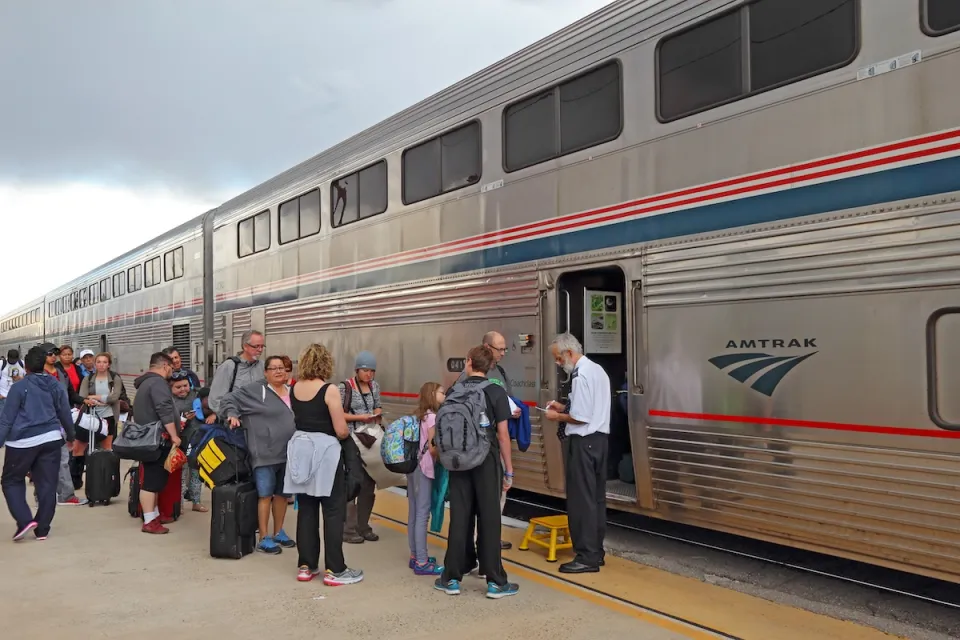
Amtrak, CN end decades-long dispute with eight-year agreement
The new operating agreement establishes an updated framework for the companies to work together, including processes to resolve disputes.
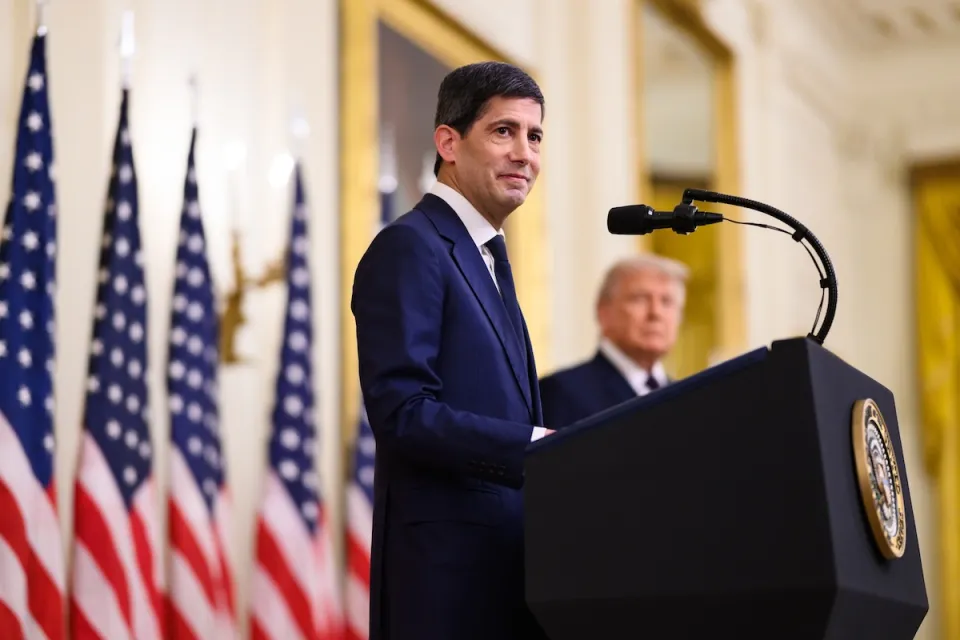
Raised interest rates may kill financially vulnerable construction projects
The chief economist at ConstructConnect warns that if construction project owners are negatively impacted by the raised rates, it could result in delayed payments to contractors.

FREE Course: Walkable City 1: Why Walkability?
After describing his path towards focusing on walkability as the essence of good planning, Jeff Speck marches through his five principal reasons for making more walkable places.
Reinventing Malls: Planning Alchemy—Turning Gray Fields Into Gold
The course focuses on the opportunities and imperatives that shape reinvention of mall sites.

Greater Baltimore Committee
Eagle County Government
Harvard University Graduate School of Design
The Architects Foundation
University of Cincinnati Online
The Pocatello Development Authority
The Urban Renewal Agency of the City of Pocatello
Journal of the American Planning Association