To help make ends meet, some students have taken to living in illegal, and often unsafe, residences.


"Last year, Rob Wyatt paid $400 a month to live in the basement of a house on Fremont Street. His room had a dirt floor and a ceiling so low he was unable to stand up while walking around. The only way in was through a bulkhead door opened from the backyard. Wyatt rolled carpet over the dirt, but his walls were not insulated, and he had no central heat."
"Students like Waytt are sacrificing quality living conditions, and in some cases safety, to cut costs and beat steep prices. But city inspectors warn that living in structures that are not meant to be lived in -- basements, garages and sheds -- can be dangerous."
Since a complaint to authorities often results in the tenants' eviction by city officials, tenants have little incentive to report illegal conditions.


Planetizen Federal Action Tracker
A weekly monitor of how Trump’s orders and actions are impacting planners and planning in America.

Amtrak, CN end decades-long dispute with eight-year agreement
The new operating agreement establishes an updated framework for the companies to work together, including processes to resolve disputes.
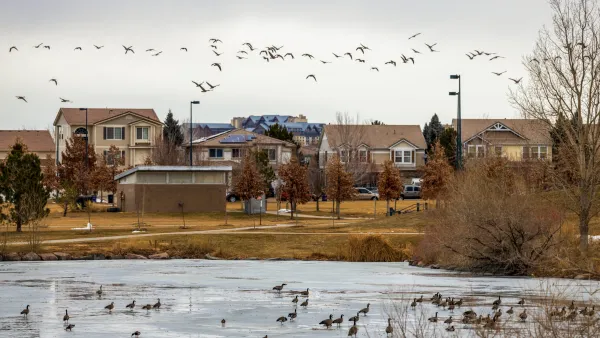
Colorado’s Largest Data Center Could Rise Next to Homes — Without a Public Hearing
The proposed campus would consume 11 times the power of Denver International Airport; as it has across the country, opposition mounts.

'This is going to be painful:’ Virginia stares down $1.7 billion funding gap for highway maintenance
The state may address the deficit by shifting $290 million from its construction budget to maintenance projects.

Judges permit Denver to divert 77,000 acre feet from the Colorado River for reservoir expansion
Overuse and climate change have caused the Colorado River’s water levels to plummet.
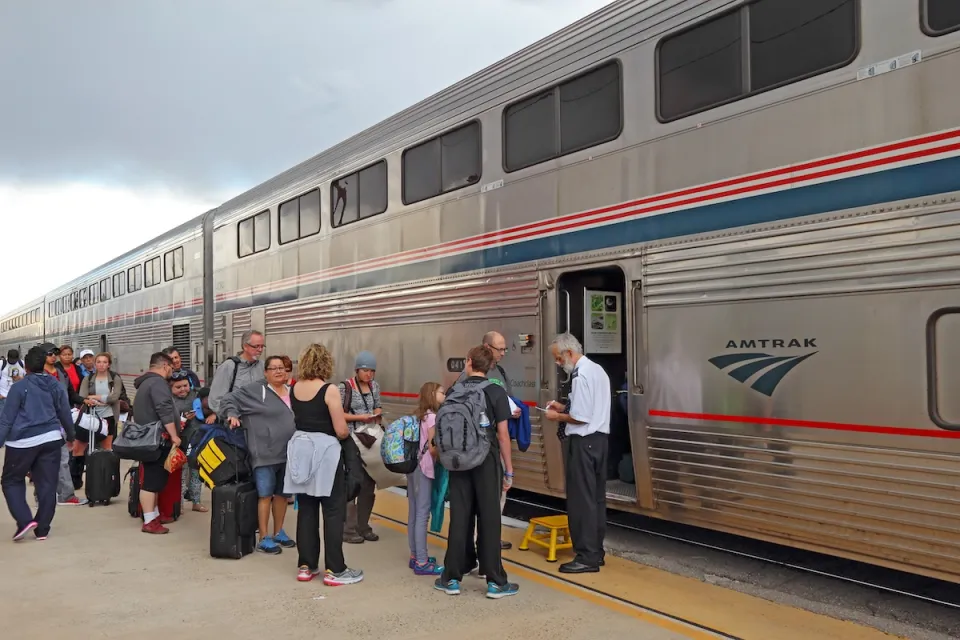
Amtrak, CN end decades-long dispute with eight-year agreement
The new operating agreement establishes an updated framework for the companies to work together, including processes to resolve disputes.

FREE Course: Walkable City 1: Why Walkability?
After describing his path towards focusing on walkability as the essence of good planning, Jeff Speck marches through his five principal reasons for making more walkable places.
Reinventing Malls: Planning Alchemy—Turning Gray Fields Into Gold
The course focuses on the opportunities and imperatives that shape reinvention of mall sites.

KFH Group Inc.
Greater Baltimore Committee
Eagle County Government
The Architects Foundation
University of Cincinnati Online
The Pocatello Development Authority
The Urban Renewal Agency of the City of Pocatello