Using an understanding of how our environment sends messages to our brain and influences behavior, a number of new projects are redesigning public space in an attempt to way pedestrians and motorists interact.


"Portland's so-called 'festival street,' which opened two months ago, is one of a small but growing number of projects in the United States that seek to reclaim streets used by cars as public places for people, too. The strategy is to blur the boundary between pedestrians and automobiles by removing sidewalks and traffic devices, and to create a seamless multi-purpose urban space."
"Combining traffic engineering, urban planning and behavioral psychology, the projects are inspired by a provocative new European street design trend known as 'psychological traffic calming,' or 'shared space.' Upending conventional wisdom, advocates of this approach argue that removing road signs, sidewalks, and traffic lights actually slows cars and is safer for pedestrians. Without any clear right-of-way, so the logic goes, motorists are forced to slow down to safer speeds, make eye contact with pedestrians, cyclists and other drivers, and decide among themselves when it is safe to proceed."
Read the full story: Where The Sidewalk Ends


Planetizen Federal Action Tracker
A weekly monitor of how Trump’s orders and actions are impacting planners and planning in America.
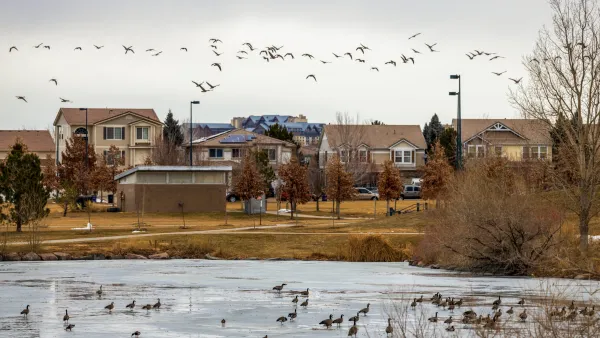
Colorado’s Largest Data Center Could Rise Next to Homes — Without a Public Hearing
The proposed campus would consume 11 times the power of Denver International Airport; as it has across the country, opposition mounts.

US to reduce Colorado River water deliveries to Mexico
A new Colorado Treaty amendment reduces Mexico’s Colorado River water allocation by 250,000 acre feet.

'This is going to be painful:’ Virginia stares down $1.7 billion funding gap for highway maintenance
The state may address the deficit by shifting $290 million from its construction budget to maintenance projects.
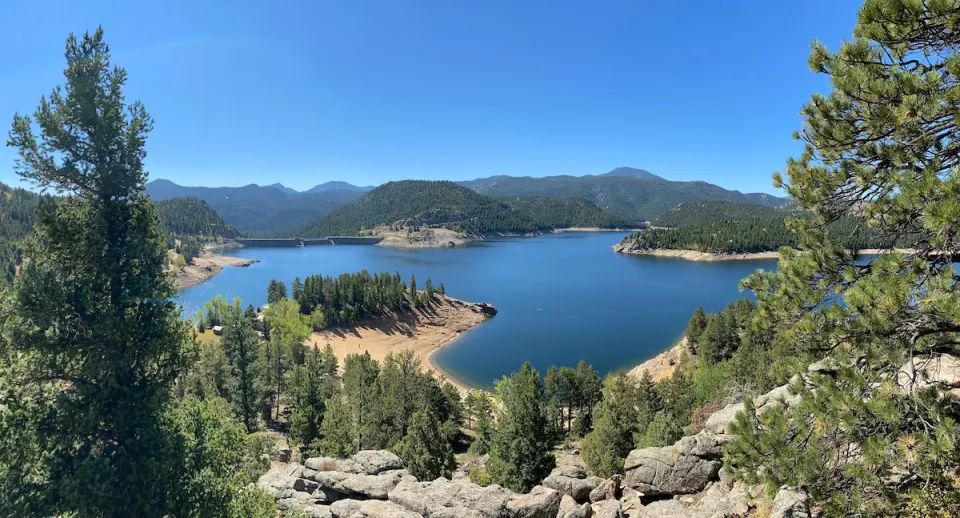
Judges permit Denver to divert 77,000 acre feet from the Colorado River for reservoir expansion
Overuse and climate change have caused the Colorado River’s water levels to plummet.
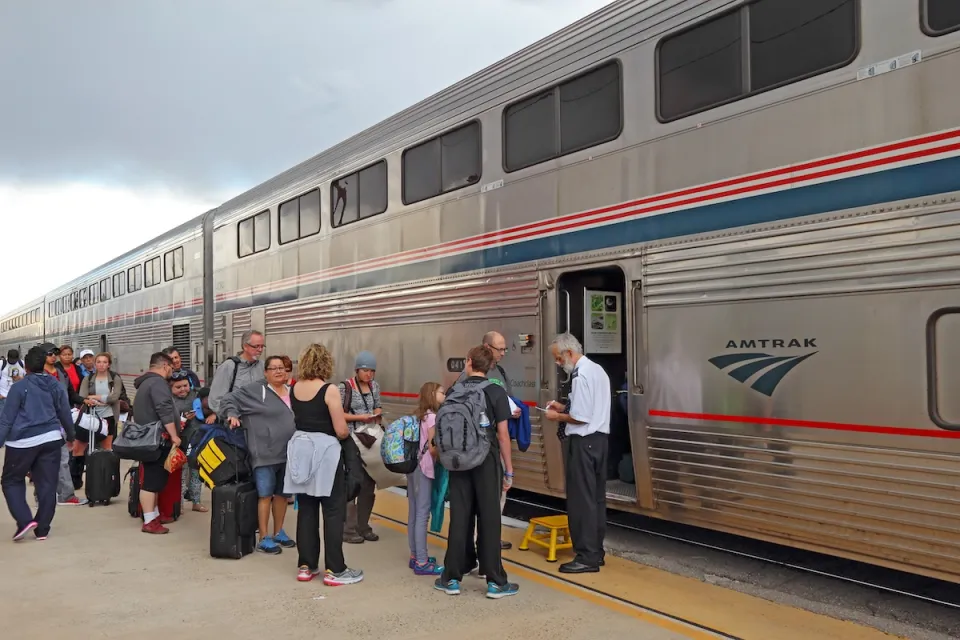
Amtrak, CN end decades-long dispute with eight-year agreement
The new operating agreement establishes an updated framework for the companies to work together, including processes to resolve disputes.

FREE Course: Walkable City 1: Why Walkability?
After describing his path towards focusing on walkability as the essence of good planning, Jeff Speck marches through his five principal reasons for making more walkable places.
Reinventing Malls: Planning Alchemy—Turning Gray Fields Into Gold
The course focuses on the opportunities and imperatives that shape reinvention of mall sites.

KFH Group Inc.
Greater Baltimore Committee
Eagle County Government
The Architects Foundation
University of Cincinnati Online
The Pocatello Development Authority
The Urban Renewal Agency of the City of Pocatello