The long-awaited Supreme Court case, Massachusetts v. Environmental Protection Agency, No. 05-1120, that will determine whether the EPA should regulate carbon dioxide as an air pollutant from motor vehicles was heard on Nov. 29.


"The Supreme Court appeared closely divided Wednesday (11/29/06) over an environmental challenge to the Bush administration's refusal to regulate the greenhouse gases that are believed to cause global warming.
At issue is whether a dozen blue states, led by California and Massachusetts, can spur federal regulators to limit vehicle emissions.
The four most conservative justices sharply questioned whether the states had the right to file the lawsuit against the Environmental Protection Agency; the four liberal justices sided with the states.
The outcome will probably turn on the opinion of Justice Anthony M. Kennedy, a centrist who is often the swing vote. He did not tip his hand during the argument, but the California native joined the court's liberal bloc in June to preserve broad federal regulation of wetlands."
"The justices have at least three options before them.
They could throw out the lawsuit, agreeing that the states lack standing. They could rule that greenhouse gases are "air pollutants" under the Clean Air Act, but leave it to the administration to decide on whether new automobile regulations are required. Or, they could rule that the Clean Air Act requires new regulations because there is a consensus among scientists that greenhouse gases are endangering the public's welfare."
Thanks to Jennifer Alverson
Read the full story: Justices hear climate debate


Planetizen Federal Action Tracker
A weekly monitor of how Trump’s orders and actions are impacting planners and planning in America.

The state-sanctioned urbicide of Austin
People don’t kill cities. Freeways do.

Colorado’s Largest Data Center Could Rise Next to Homes — Without a Public Hearing
The proposed campus would consume 11 times the power of Denver International Airport; as it has across the country, opposition mounts.
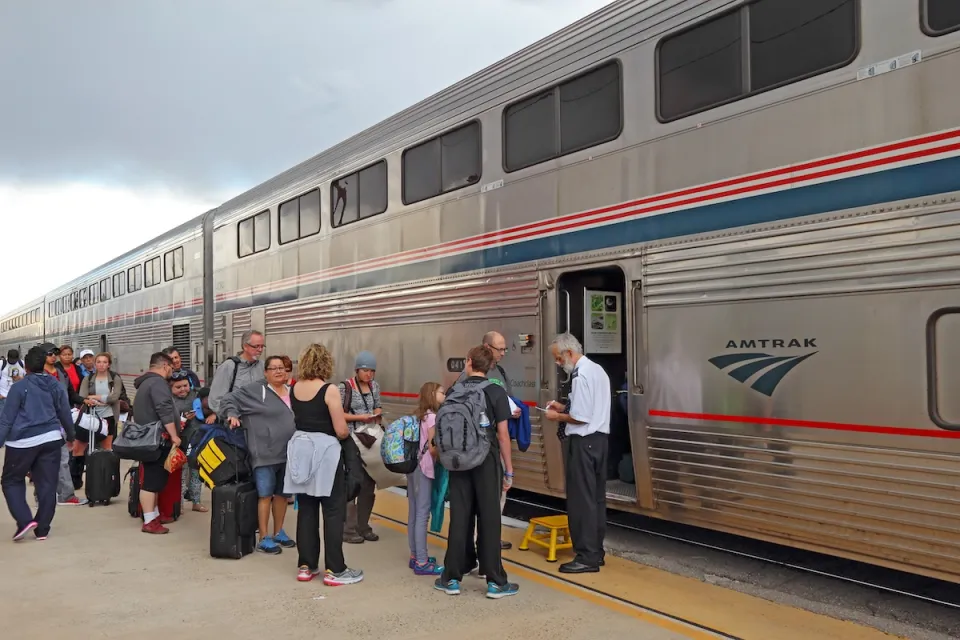
Amtrak, CN end decades-long dispute with eight-year agreement
The new operating agreement establishes an updated framework for the companies to work together, including processes to resolve disputes.
Raised interest rates may kill financially vulnerable construction projects
The chief economist at ConstructConnect warns that if construction project owners are negatively impacted by the raised rates, it could result in delayed payments to contractors.
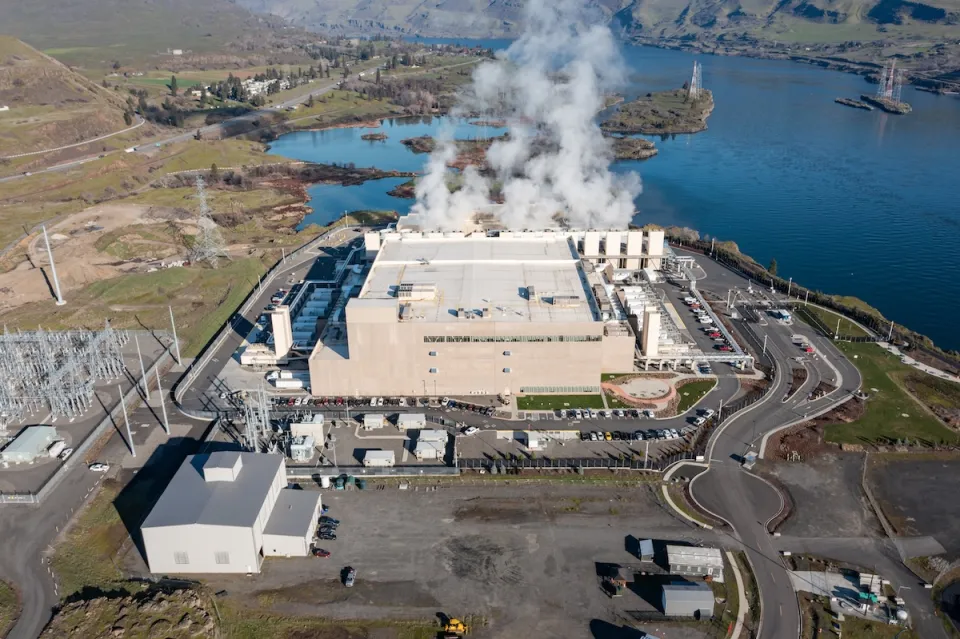
Data centers are consuming nearly 25% of Oregon’s power
The state has 111 data centers, with 32 more either planned or under construction.

FREE Course: Walkable City 1: Why Walkability?
After describing his path towards focusing on walkability as the essence of good planning, Jeff Speck marches through his five principal reasons for making more walkable places.
Reinventing Malls: Planning Alchemy—Turning Gray Fields Into Gold
The course focuses on the opportunities and imperatives that shape reinvention of mall sites.

Greater Baltimore Committee
Eagle County Government
Harvard University Graduate School of Design
The Architects Foundation
University of Cincinnati Online
The Pocatello Development Authority
The Urban Renewal Agency of the City of Pocatello
Journal of the American Planning Association