An iconic piece of popular culture passes into history after the factory producing the bright pink lawn art shuts down.


"ON Nov. 1, just two months shy of its 50th birthday, the plastic pink flamingo went extinct. Or more accurately, it stopped reproducing, when its manufacturer, Union Products, shut down the factory in Leominster, Mass.
That's sad news, but hardly surprising. The flamingo's glory days were behind it. Union Products cited the rising cost of plastic resins and of electricity, along with financing woes. Yet while the bird reigned as an icon in the late 20th century, it was bound to succumb to the very different tastes -- or the absence thereof -- in the 21st.
In 1957, the flamingo that would become lawn-art king was invented by a young Union Products designer with the fitting name of Don Featherstone. Sears sold the bird for $2.76 a pair: "Place in garden, lawn, to beautify landscape," the 1957 catalog read. Working-class homeowners readily planted it on their modest lawns -- a nod to the marble or bronze sculpture on vaster properties -- and art critics promptly pegged it as a prime example of the despicable spread of kitsch. In the 1960s, the suburban lawn flamingo -- cheap, mass-produced, artificial and unusually neon pink -- was widely reviled as the dregs of bad taste."
Read the full story: In the Pink No More


Planetizen Federal Action Tracker
A weekly monitor of how Trump’s orders and actions are impacting planners and planning in America.

Colorado’s Largest Data Center Could Rise Next to Homes — Without a Public Hearing
The proposed campus would consume 11 times the power of Denver International Airport; as it has across the country, opposition mounts.

US to reduce Colorado River water deliveries to Mexico
A new Colorado Treaty amendment reduces Mexico’s Colorado River water allocation by 250,000 acre feet.

'This is going to be painful:’ Virginia stares down $1.7 billion funding gap for highway maintenance
The state may address the deficit by shifting $290 million from its construction budget to maintenance projects.
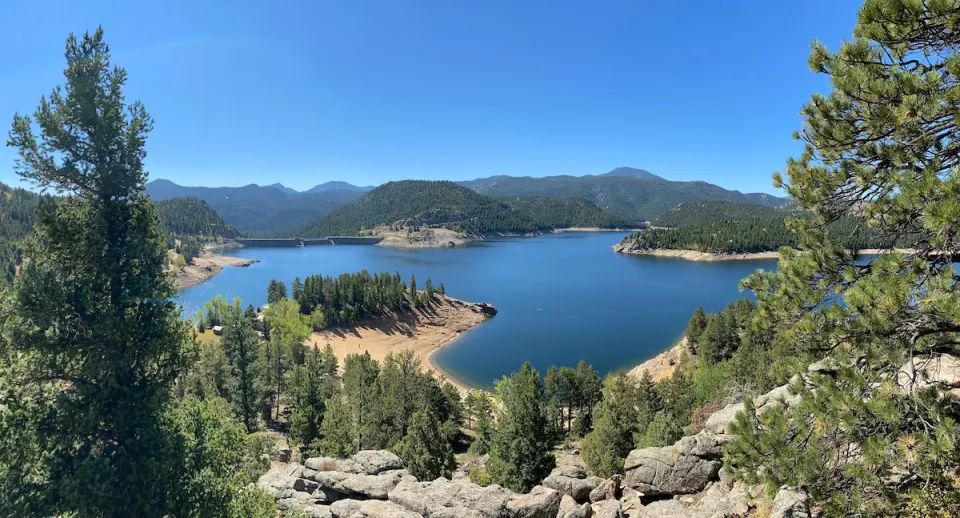
Judges permit Denver to divert 77,000 acre feet from the Colorado River for reservoir expansion
Overuse and climate change have caused the Colorado River’s water levels to plummet.
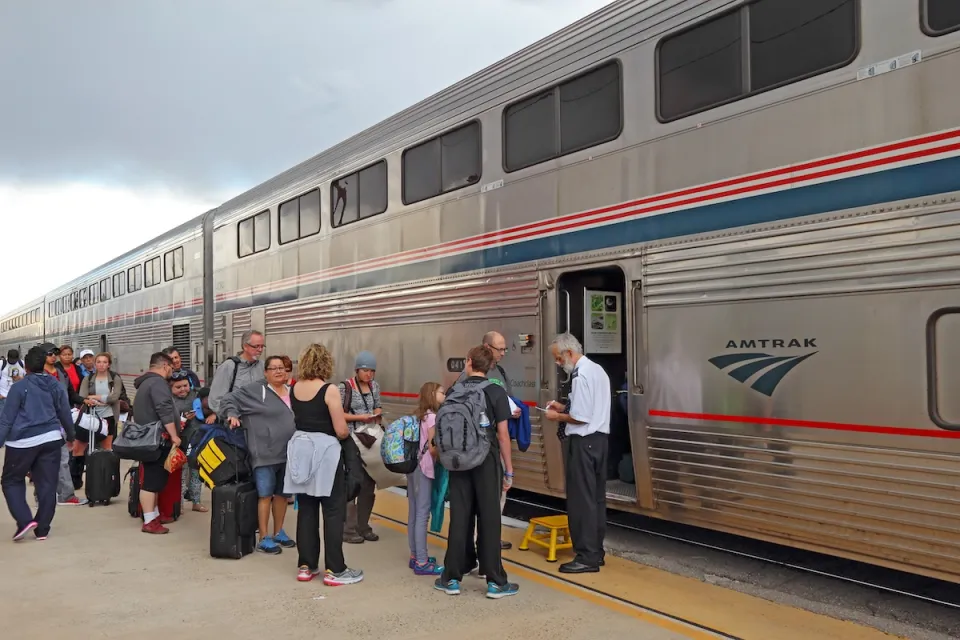
Amtrak, CN end decades-long dispute with eight-year agreement
The new operating agreement establishes an updated framework for the companies to work together, including processes to resolve disputes.

FREE Course: Walkable City 1: Why Walkability?
After describing his path towards focusing on walkability as the essence of good planning, Jeff Speck marches through his five principal reasons for making more walkable places.
Reinventing Malls: Planning Alchemy—Turning Gray Fields Into Gold
The course focuses on the opportunities and imperatives that shape reinvention of mall sites.

KFH Group Inc.
Greater Baltimore Committee
Eagle County Government
The Architects Foundation
University of Cincinnati Online
The Pocatello Development Authority
The Urban Renewal Agency of the City of Pocatello