Only 1-2% of America's food is locally grown today. The average American dinner is trucked 1,500 miles.


"A personal connection between a restaurant chef and the people who grow his beef or broccoli rabe might not sound radical, but it's a major element of a burgeoning movement. It's called "sustainable food"a chain of supply and demand that theoretically could continue in perpetuity. A shorter food chain cuts down on oil consumption, puts money in the pockets of disappearing farmers, is more humane, helps protect soil and water and, best of all, usually delivers food that tastes better. Alice Waters of Chez Panisse in Berkeley is credited with starting the movement in the U.S. Now, from the ivy-covered dorms at Yale to the public schools at Berkeley to the grocery stores, white-tablecloth restaurants and fast-food joints of Portland, a grass-roots movement is sprouting that emphasizes food with a local pedigree.
...Some consumers are rebelling against the global marketplace and seeking out food whose history is known and friendly. While there are alternatives to mainstream foodorganic, biodynamic, fair trade and othersthe idea of a sustainable food system is generating the most interest."
Thanks to Chris Steins
Read the full story: Think Global, Eat Local


Planetizen Federal Action Tracker
A weekly monitor of how Trump’s orders and actions are impacting planners and planning in America.
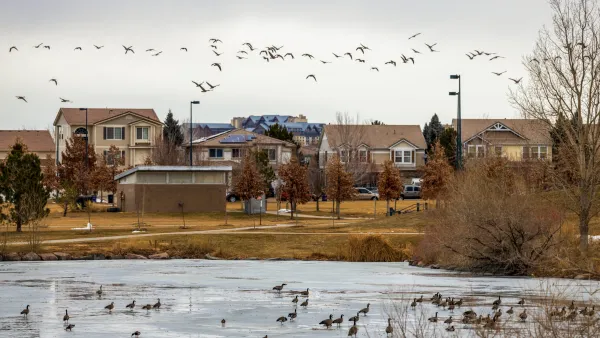
Colorado’s Largest Data Center Could Rise Next to Homes — Without a Public Hearing
The proposed campus would consume 11 times the power of Denver International Airport; as it has across the country, opposition mounts.

US to reduce Colorado River water deliveries to Mexico
A new Colorado Treaty amendment reduces Mexico’s Colorado River water allocation by 250,000 acre feet.

'This is going to be painful:’ Virginia stares down $1.7 billion funding gap for highway maintenance
The state may address the deficit by shifting $290 million from its construction budget to maintenance projects.
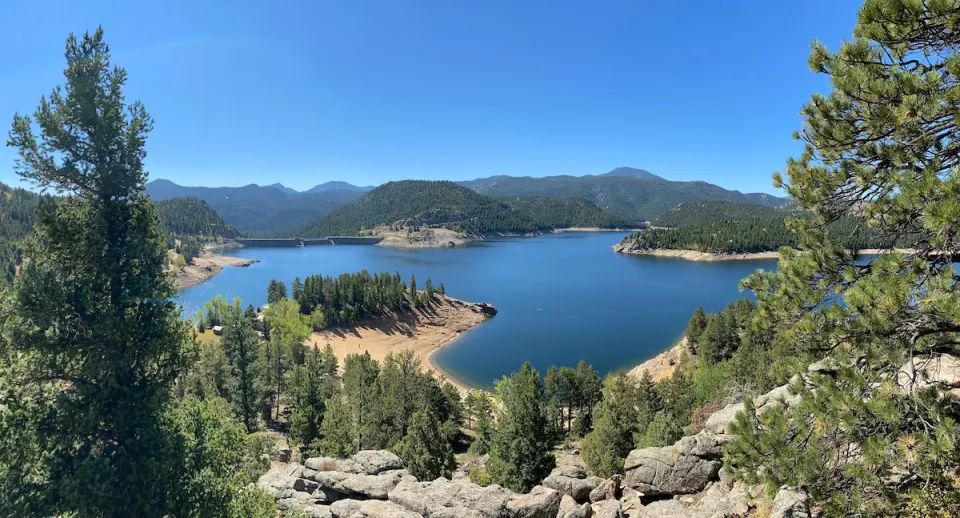
Judges permit Denver to divert 77,000 acre feet from the Colorado River for reservoir expansion
Overuse and climate change have caused the Colorado River’s water levels to plummet.
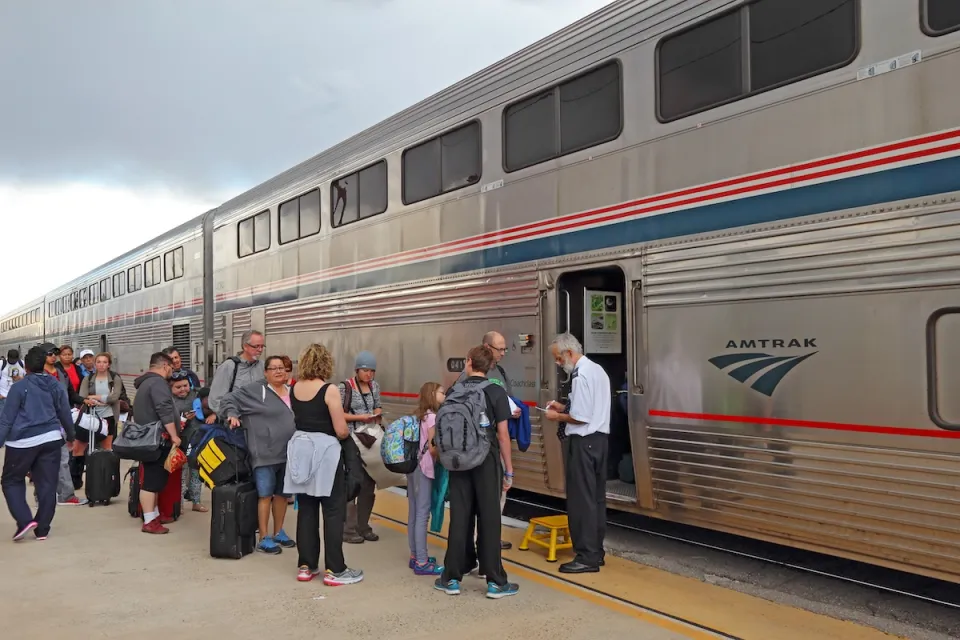
Amtrak, CN end decades-long dispute with eight-year agreement
The new operating agreement establishes an updated framework for the companies to work together, including processes to resolve disputes.

FREE Course: Walkable City 1: Why Walkability?
After describing his path towards focusing on walkability as the essence of good planning, Jeff Speck marches through his five principal reasons for making more walkable places.
Reinventing Malls: Planning Alchemy—Turning Gray Fields Into Gold
The course focuses on the opportunities and imperatives that shape reinvention of mall sites.

KFH Group Inc.
Greater Baltimore Committee
Eagle County Government
The Architects Foundation
University of Cincinnati Online
The Pocatello Development Authority
The Urban Renewal Agency of the City of Pocatello