A website includes breathtaking aerial photos from the 1906 San Francisco earthquake and fire.


In the early 1900s, photographer George Lawrence had devised ways to take aerial photographs and went to San Francisco to showcase his technology. He used kites and custom built cameras that could take photos while up in the air."
"The 1906 San Francisco earthquake and fire provided the next major opportunity for Lawrence to demonstrate the Captive Airship's special capabilities. The people of San Francisco had endured a major earthquake and suffered the largest fire in the history of the country. Their beautiful city was in ruins. Lawrence realized that the true magnitude of the disaster could be documented only on the huge curved plates of his airborne panoramic camera. The news from San Francisco convinced him he could make a photographic record the likes of which the world had never seen.
The man in charge, George R. Lawrence, was anything but mad. As soon as news of the disaster had reached Chicago, he made plans to go to San Francisco with his Captive Airship and crew. With the Captive Airship he knew he could take aerial photographs of the prostrate city that no one else in the world could take. He was gambling by going to the devastated. city, but he took the chance knowing there would be an international market for his photographs if he succeeded."
Thanks to Chris Steins
Read the full story: San Francisco In Ruins


Planetizen Federal Action Tracker
A weekly monitor of how Trump’s orders and actions are impacting planners and planning in America.

The state-sanctioned urbicide of Austin
People don’t kill cities. Freeways do.

Colorado’s Largest Data Center Could Rise Next to Homes — Without a Public Hearing
The proposed campus would consume 11 times the power of Denver International Airport; as it has across the country, opposition mounts.
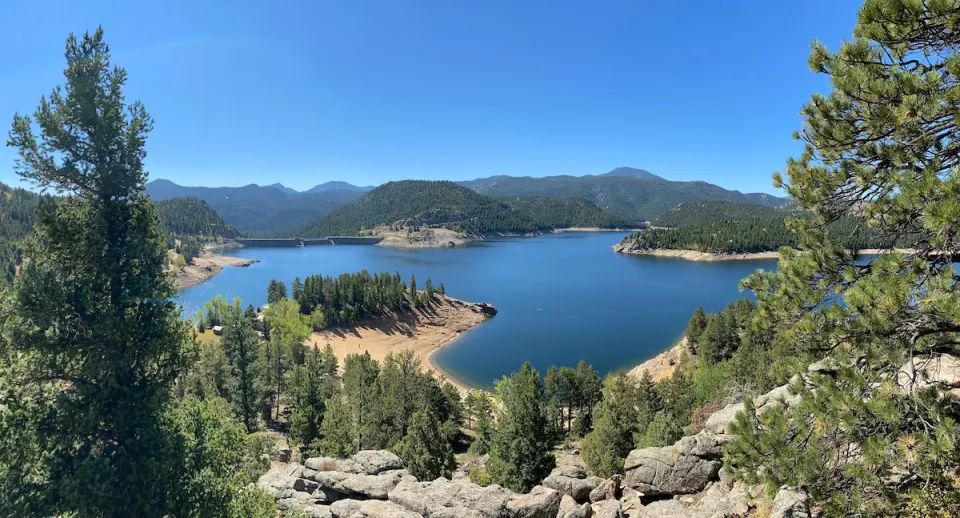
Judges permit Denver to divert 77,000 acre feet from the Colorado River for reservoir expansion
Overuse and climate change have caused the Colorado River’s water levels to plummet.
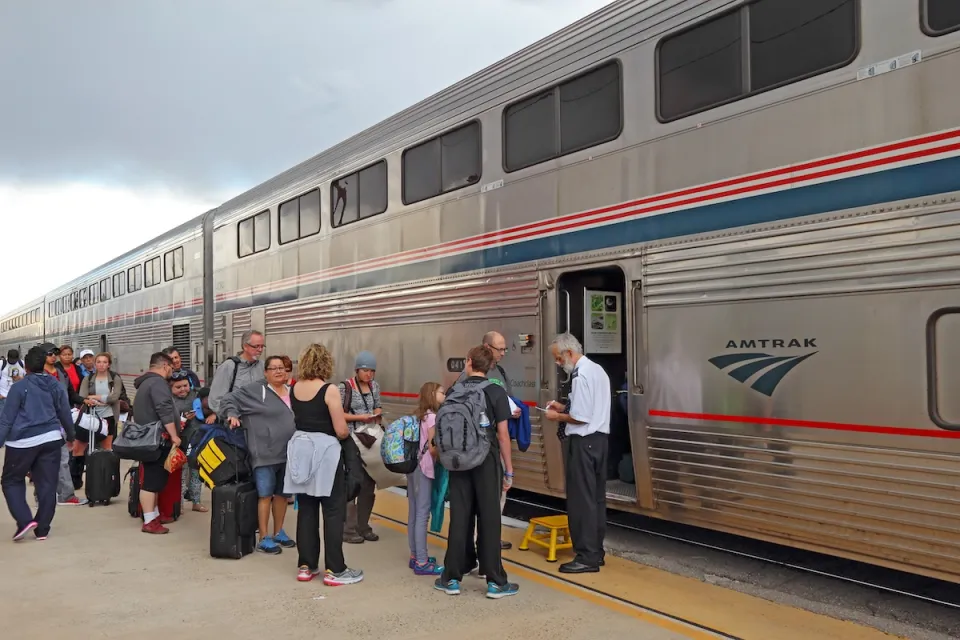
Amtrak, CN end decades-long dispute with eight-year agreement
The new operating agreement establishes an updated framework for the companies to work together, including processes to resolve disputes.
Raised interest rates may kill financially vulnerable construction projects
The chief economist at ConstructConnect warns that if construction project owners are negatively impacted by the raised rates, it could result in delayed payments to contractors.

FREE Course: Walkable City 1: Why Walkability?
After describing his path towards focusing on walkability as the essence of good planning, Jeff Speck marches through his five principal reasons for making more walkable places.
Reinventing Malls: Planning Alchemy—Turning Gray Fields Into Gold
The course focuses on the opportunities and imperatives that shape reinvention of mall sites.

Greater Baltimore Committee
Eagle County Government
Harvard University Graduate School of Design
The Architects Foundation
University of Cincinnati Online
The Pocatello Development Authority
The Urban Renewal Agency of the City of Pocatello
Journal of the American Planning Association