I expected to struggle to find food in West Long Beach. Instead, a network of community gardens, home bakers and kind neighbors made the trip one of the best-fed weeks of my life.


At four in the morning, people begin lining up at Admiral Kidd Park in West Long Beach, California. By 9:00 AM, when the monthly food distribution begins, the line includes 400 to 600 people. Many of them are older Filipino and Latino residents from the surrounding community. They wait for a number, then wait again for it to be called. Some spend all morning in this park before going home with $50 worth of groceries.
Most of us know Long Beach as a coastal city: the name invokes Southern California, the Pacific Ocean, downtown towers and the Queen Mary. West Long Beach, ZIP code 90810, looks different. The neighborhood sits among the freeways and the infrastructure of one of the world’s great ports. It is working-class, heavily immigrant and home to large Filipino and Latino communities.
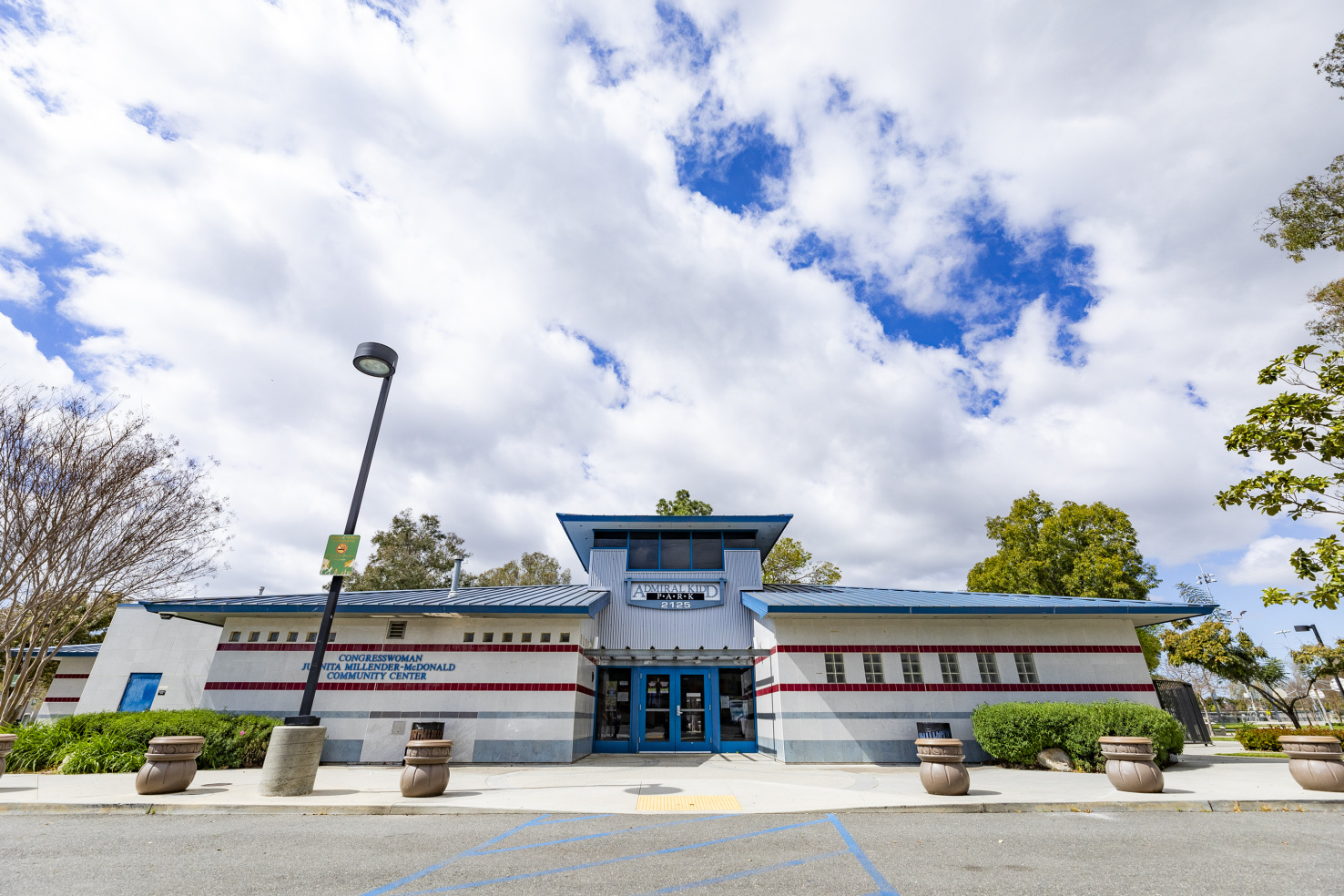
On paper, ZIP code 90810 is a difficult place to get groceries. Many call it a food desert. There are no full-service grocery stores near Admiral Kidd Park, there is limited fresh produce and residents worry about affording nutritious meals. If you see this only as a food-access problem, the solution seems obvious: bring more food and make the line move faster.
But I was in Long Beach because a group of urban placemakers asked a different question: if hundreds of older adults already gather here every month, could those four hours become more than just waiting?
That placemaking question points to a larger problem in how cities map the needs of their residents. In this case, food-desert maps only count what’s missing: no supermarket, no transportation or no income. But they reveal much less about the people, organizations, and informal network already involved in growing, preparing and distributing food and connecting food with games, art and community. Those community assets matter, too. They can help cities decide how to respond to gaps in food access and where modest investments might make an outsized difference.
A week of experiments
I came to Southern California for Long Beach Fresh's Week of Actions, a series of experiments in food, health, public space and community life. Ryan Smolar of Long Beach Fresh led the work, with support from an AARP Community Challenge grant aimed at helping older adults connect more with their community. But it didn’t feel like a conventional aging program. There were no lectures about healthy aging and very little looked like traditional senior services. Instead, we moved through urban farms, community gardens, backyard restaurants and home kitchens, testing what ordinary places could become if residents were given room to shape them.
I work on longevity and healthy aging. Recently, I developed an urban design framework around the 100-Year City. It asks how we can design our cities to support longer, healthier and more meaningful lives at every age, rather than designing only around the years when driving is easy and we can move independently through the city.
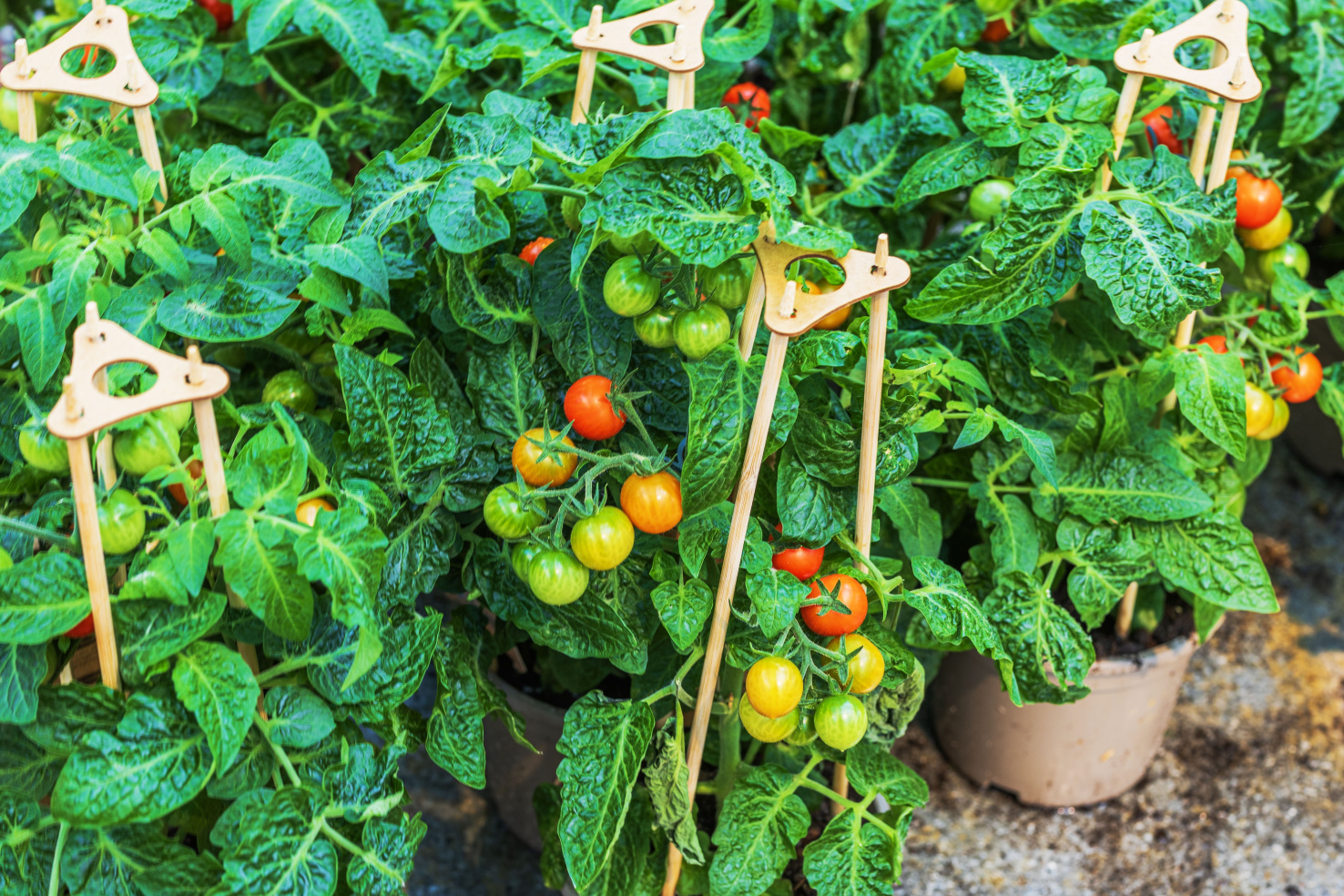
Placemaking asks a similar question. At its best, placemaking is less about decorating a place than noticing what’s already there, changing what people can do with it and cultivating community agency. A park can be a place to wait for groceries, or it can be a place to listen to music, meet neighbors and move your body. A vacant lot can stay empty or become an urban farm. A liquor store can keep selling alcohol or become a healthy market. In all of these examples, the physical setting doesn’t even have to change. What changes is how people use it.
In Long Beach, placemaking and longevity kept meeting in one place I did not expect: food.
Life expectancy in Long Beach varies up to 17 years depending on the neighborhood. That gap is why food access here is also an aging issue. Residents here face disproportionate rates of high blood pressure, obesity and prediabetes. And many of them feel unsafe walking or using public transit. A grocery store that is two miles away can be inconvenient when you are 35. But if you are 75 and no longer drive, those two miles feel much farther.
Feasting in a food desert
When I arrived, I expected to struggle with this food desert. Instead, I had one of the best-fed weeks I can remember. We walked through urban farms, identified edible plants, ate a pay-what-you-can lunch in a community garden and met home bakers and neighbors who passed along extra backyard fruit.
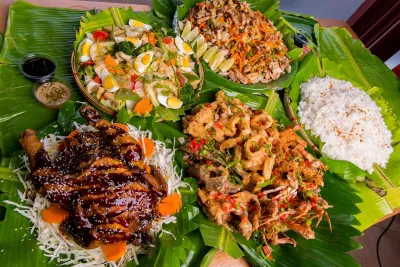
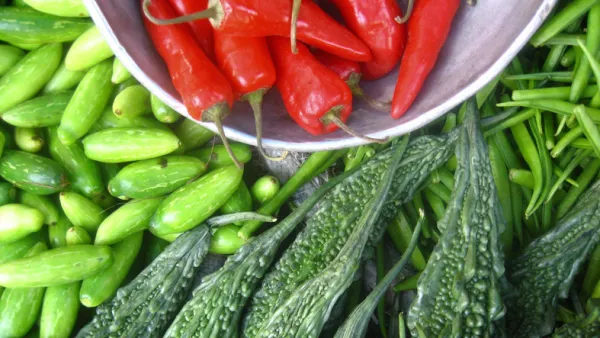
At Grow2Zero Farms, built by two military veterans on a long-vacant lot, 50 people sat down for a Filipino Kamayan feast laid out on banana leaves and cooked by mothers and aunties from the community. A lighter version of lechon used rotisserie chicken instead of pork. They mixed white rice with cauliflower rice. And calamansi, bitter melon and other familiar fresh fruits appeared throughout the meal. In a community with high rates of hypertension and diabetes, nobody needed a public health campaign to explain why these healthy adaptations mattered. They were adapting recipes without giving up the culture around them.
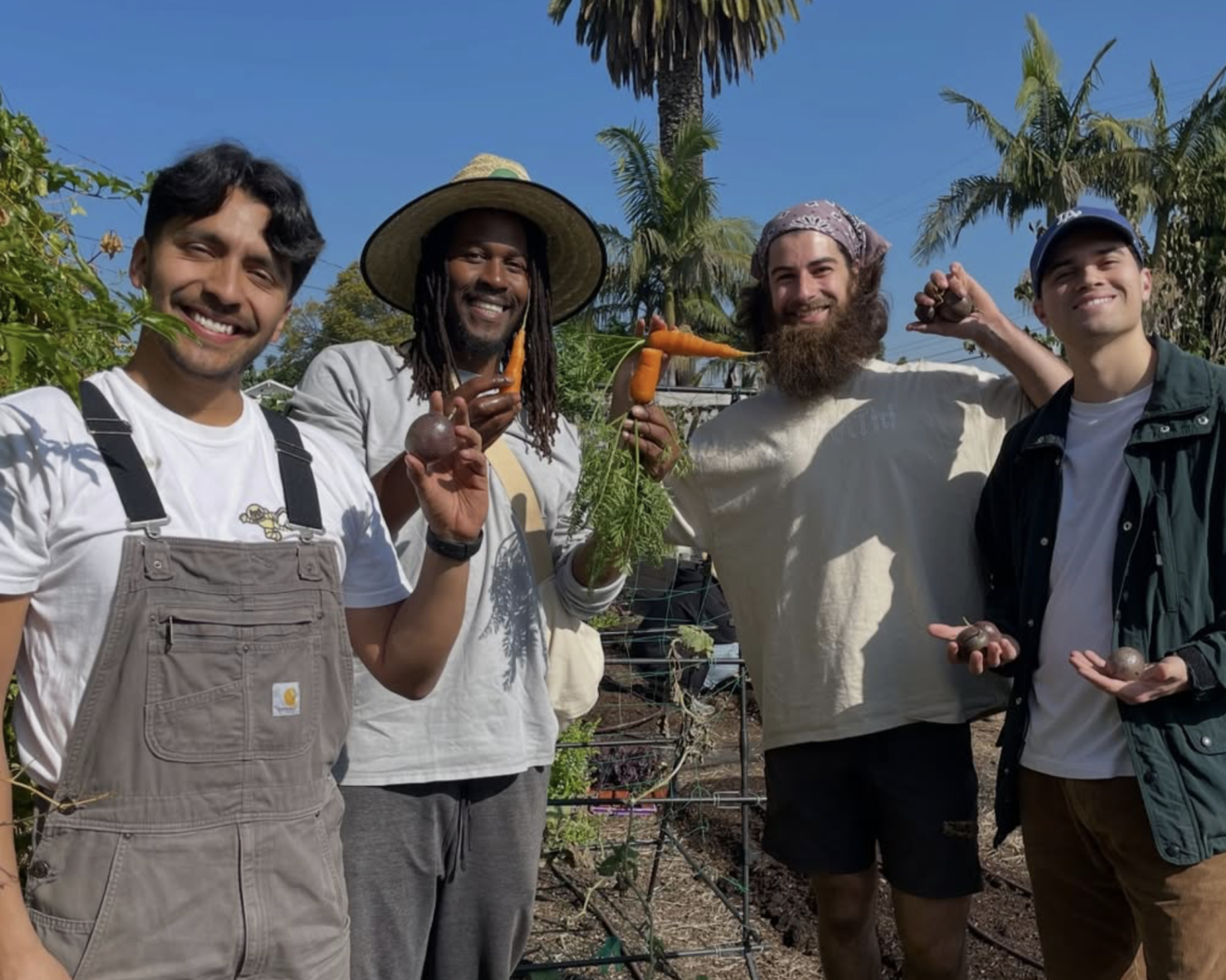
Public health talks about food in terms of nutrients, but people rarely experience food that way. In addition to its nutritional value, food carries cultural value in the form of memory, ritual and family stories. It is one of the simplest ways a grandparent, parent and child can share something without explaining why it matters.
Beyond the feast, Grow2Zero Farms runs a no-cost Future Urban Farmers Academy teaching neighbors regenerative growing, cooking and beekeeping. It does a great job producing vegetables. It also produces the people who can grow, prepare and work with food.
On an urban foraging walk, Nick Mann pointed out edible plants most of us would call weeds, growing in tree wells and alleys. We used some of what we picked later that day. Foraging is, admittedly, not a solution to hunger. But it showed me that two people can walk down the same street and see different landscapes. One sees weeds. The other sees food.
Around my third or fourth meal, I began wondering whether the usual language of food deserts captured only part of what I was seeing.
Food access vs food capacity
A food-access map shows what a neighborhood lacks. It tells us where there is no supermarket, how far residents must travel and where income or transportation makes food harder to reach. But a map built to locate stores was never designed to show the grandmother who cooks for 400 people, the gardener who can teach a teenager to grow food or the park where hundreds of older adults already gather.
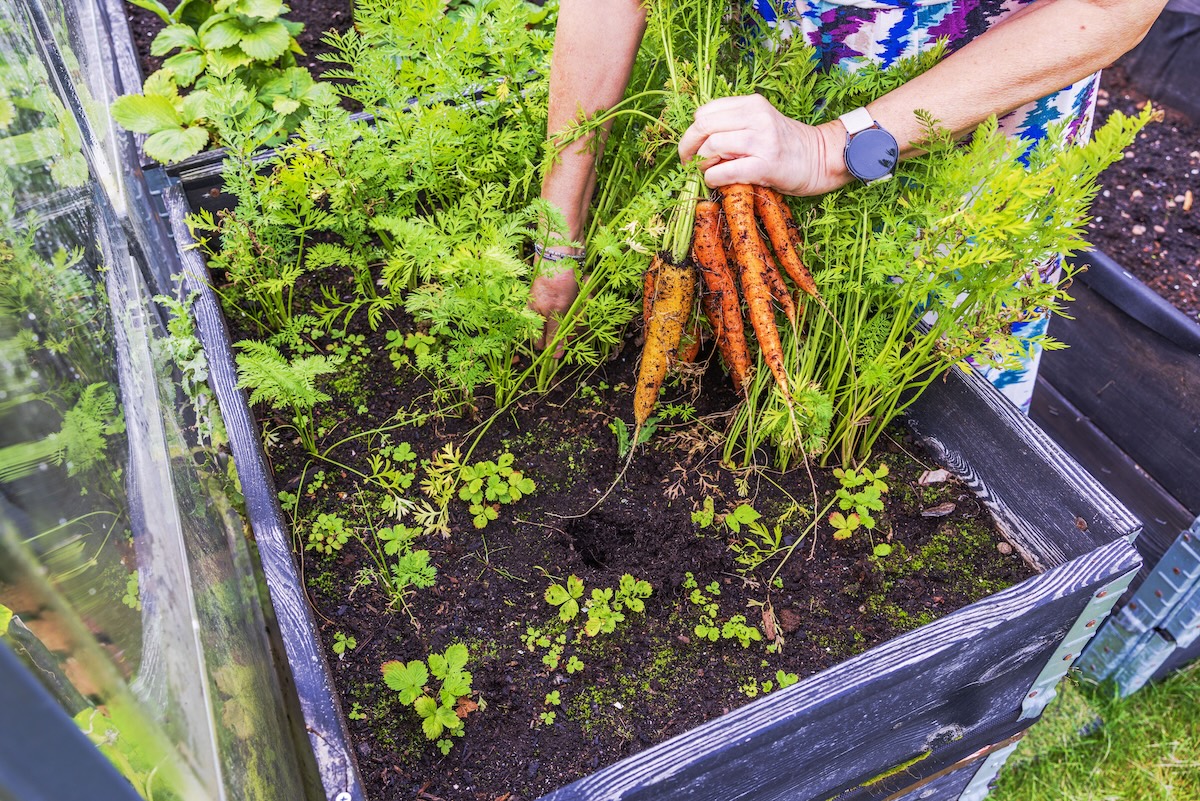
Food access is whether people can reliably get affordable, nutritious food. Food capacity is what a neighborhood already has to work with: cooks, gardens, home kitchens, small stores and places where people already gather. A 100-Year City needs both. A food-access map is what most cities keep, and it tells us where to build a grocery store. A food-capacity map asks questions that cities don’t usually track: who already cooks, which vacant lots grow food and which stores service local neighbors within walking distance. The first “access” map justifies initial investments. But the second “capacity” map tells you where that investment takes root fastest through simple levers like permitting, zoning and small grants.
West Long Beach proved it was not empty. The urban farm existed; community cooks already fed people; and the corner store had customers within a few blocks. Ryan Smolar’s work in Long Beach highlighted this point: you don’t always have to invent something. You can connect what is already there.
Connecting what’s already there
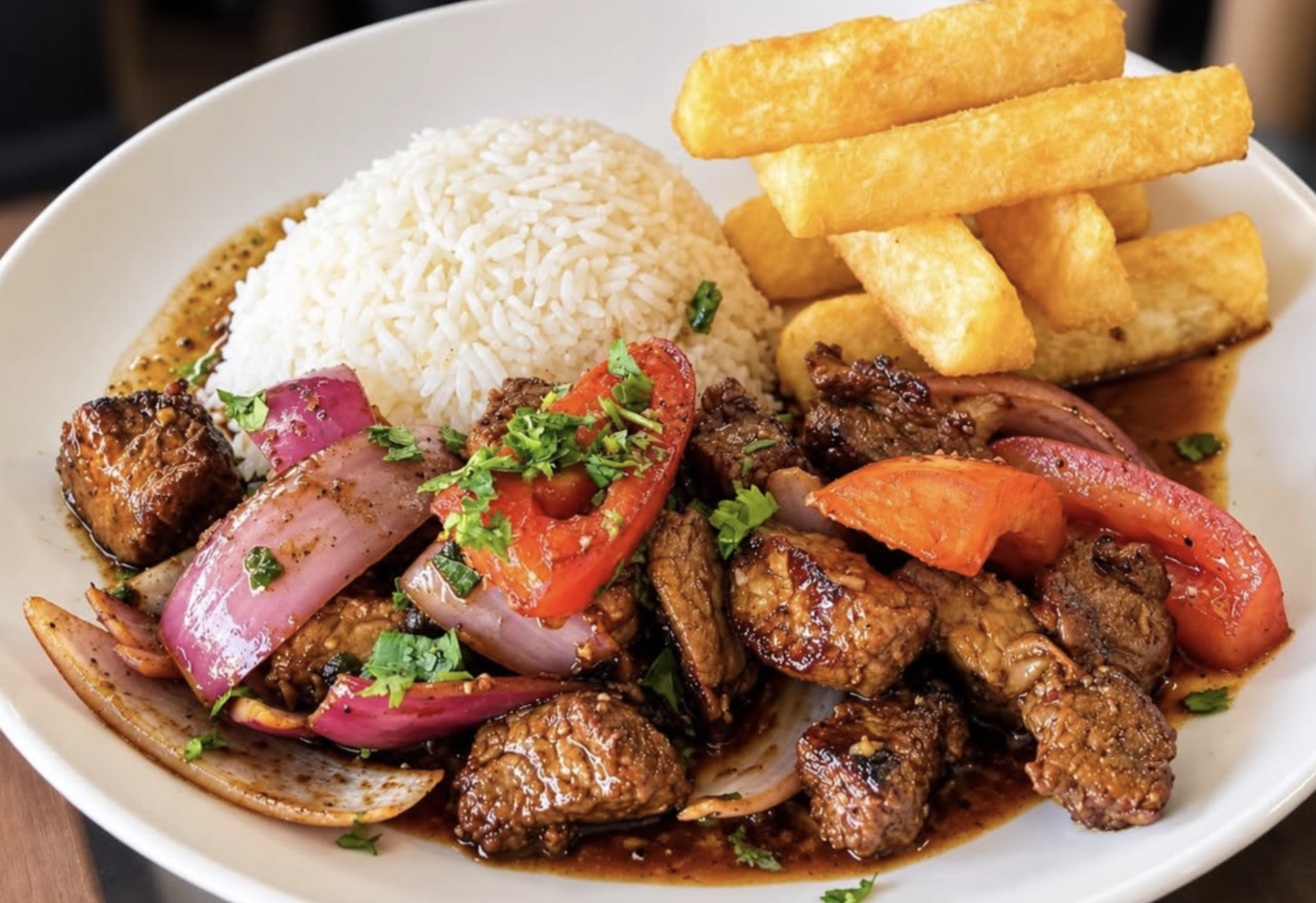
Sometimes that connection meant an urban farm. And sometimes that connection meant a permit. California allows home restaurants, known as Microenterprise Home Kitchen Operations, or MEHKOs. Long Beach approved its own program in 2026. During the Week of Actions, prospective home cooks visited Lomo Fuego, a home-based Peruvian restaurant in nearby Lakewood, where the owner got started for about $2,000, a fraction of what a storefront lease and buildout would cost. For an older adult who has spent 50 years perfecting the one dish everyone in the family requests, that’s an economic asset we rarely count as one. Nobody should be expected to turn retirement into another job. The point is that a longer life should not remove every option to contribute, teach, earn a little money or stay connected to other people.
Sometimes that connection meant a liquor store. On the Westside, local partners tried repositioning one as a healthier neighborhood market. It had already tried stocking groceries and produce, but the response was limited. Importantly, most of its customers lived within two blocks. A large supermarket offers range and prices that a small market can’t match. But if you’re 78 and feel unsafe walking or using public transit, two blocks is much more convenient than two miles. So, the liquor store conducted a placemaking experiment that went beyond just adding vegetables to a shelf. It held a community dinner outside, with a flower store across the street helping decorate, so residents could experience for themselves what was changing. For one evening, an ordinary liquor store now involved food, public space, music, two local businesses and a neighborhood gathering.
There was no new building and no grand development plan. There was just a liquor store, a flower shop, some outdoor space, food and neighbors. Put those pieces together, though, and the place begins to do much more.
Neither the liquor store or MEHKO examples required a capital budget. Both required a planning department willing to treat a permit, a grant and an activation as real infrastructure work.
Two maps of Long Beach
All of this brings me back to Admiral Kidd Park, where residents are still lining up for food. Several nonprofit organizations had set up tables with health screenings and housing resources. But people mostly just stood in line and waited.
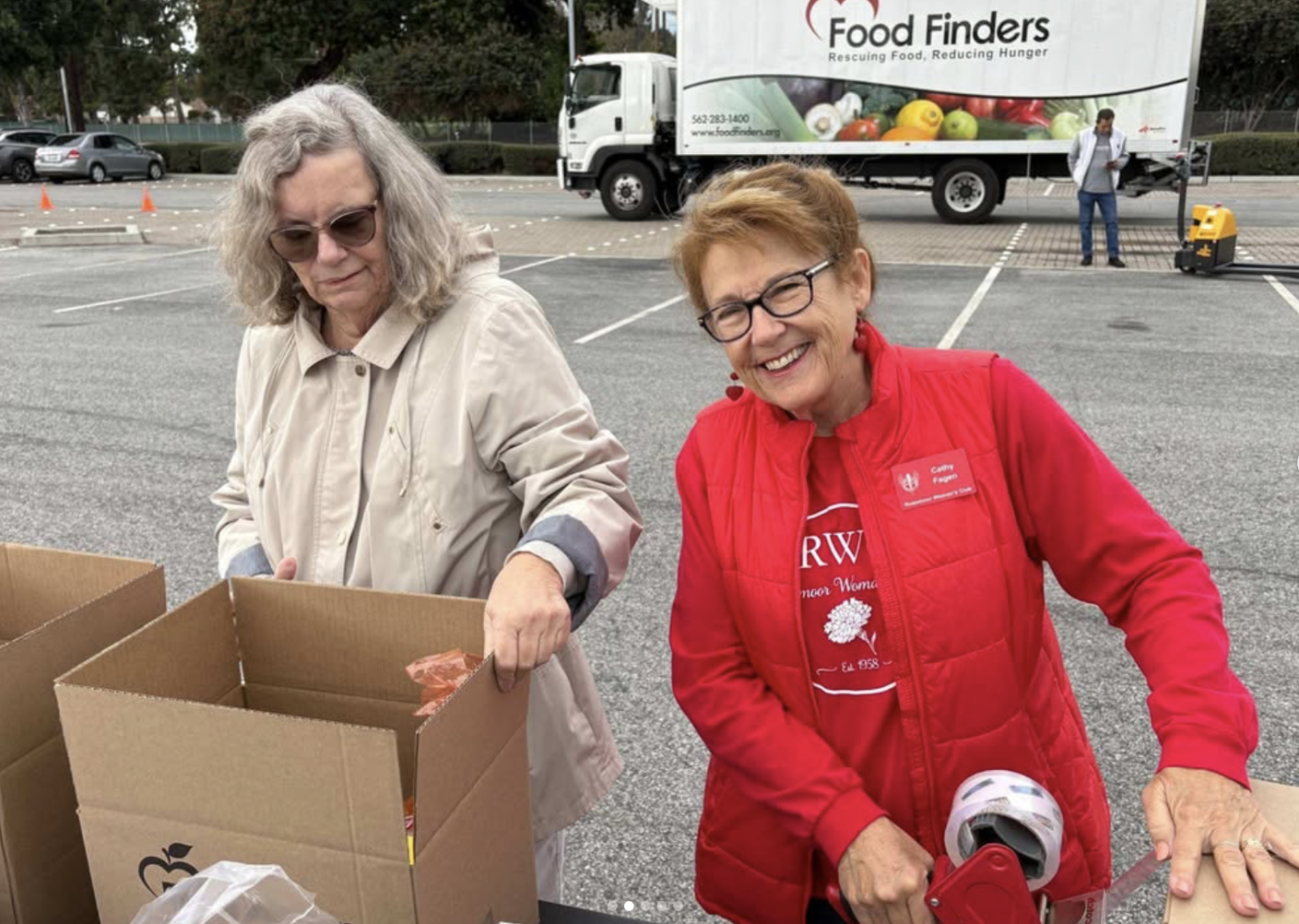
During the Week of Actions, the placemaking team asked people what they wanted to do while they waited. The answers weren’t complicated. People just wanted something to do. Nobody wanted to lose their place in line, so the activities had to come to them rather than the other way around. A giant Connect Four game traveled through the queue.The team offered lotería games. A Zumba instructor led an engaging dance workout. And a 13-year-old neighborhood girl sang. Older people began clapping, and families started suggesting their own grandchildren for future performances. Food Finders, the food distribution nonprofit, even began talking about a Christmas music concert. None of it made the need for groceries disappear. But it changed the experience of those four hours.
We tend to divide later life into programs. Food goes in one system. Exercise goes in another. But people do not live or experience aging services that way. A person can eat, move, talk, listen to music and learn something in the same morning. Aging in place should leave room to make place, too.
West Long Beach doesn’t just need one food map that shows only what’s missing. It needs a second one that asks: Who grows food? Where are community gardens? Who knows local recipes? Where do you get a home kitchen permit? Who does everyone in the neighborhood already trust? And, what grocery stores or food lines can be paired with art, games or other infrastructure that facilitates community, as all food should? Building this map is cheap but needs local knowledge. It could include a survey at the next food distribution, a walk with a community organizer or a column added to the next comprehensive plan update.
None of this means a backyard garden will replace a supermarket. A home kitchen cannot feed an entire ZIP code. And a morning of music and lotería does not make a long food line acceptable. Cities like West Long Beach need real investment in food access. But they shouldn’t have to pretend they’re empty to deserve that investment. In the 90810 food desert, I found farms, cooks, gardens and hundreds of people gathering around food. ZIP code 90810 may be short on grocery stores. But it isn’t short on cooks, growers or neighbors who show up.
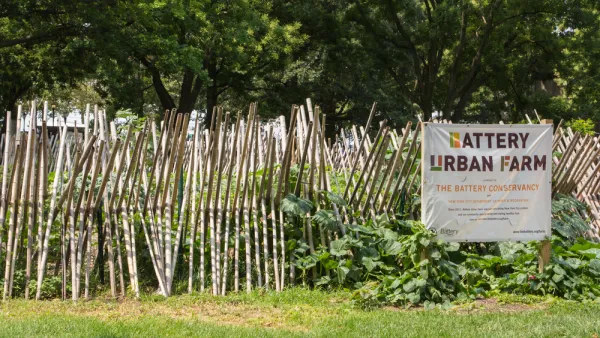
Long Beach Urban Farming Initiative Targets Vacant Lots
A California policy lets cities offer tax incentives to landowners who put vacant lots to use as urban farms or gardens. Long Beach is the latest comer, but the uptake has been sluggish elsewhere.
Pittsburgh to Gain a 23-Acre, $10 Million Urban Farm
The Hilltop Urban Farm project is moving along in Pittsburgh. Few, if any, community gardens have been built on this scale before.
Urban Farming Model Takes Off In Boston Suburb
A suburban farming model based on shared private garden plots springs up in Needham, Massachusetts. Could Kate Canney's experiment be an antidote to the challenge of finding farmland that plagues prospective farmers nationwide?

Desperate measures: Advocates weigh draining Lake Powell to fill Colorado River
Draining the reservoir could reduce evaporation losses by a couple hundred thousand acre-feet.

Eastern Nebraska is running out of electricity
Data centers and electrification are straining eastern Nebraska’s grid, throttling economic development.

Move over, LA: St. Louis gears up for Olympics, invests millions in downtown redevelopment
The Missouri city will host the 2028 Olympic soccer group stage and knockout matches.

Officials claim feds 'rushed' Amtrak environmental review
Amtrak plans to move their Chicago maintenance facility from an industrial area to a residential one.

NYC breaks ground on anti-flooding infrastructure project
New York City's new system will reduce stormwater flows to local sewers by 90%.

One Kentucky town’s secret to affordable housing
The Smoketown Community Land Trust has already built seven affordable homes for community members.

FREE Course: Walkable City 1: Why Walkability?
After describing his path towards focusing on walkability as the essence of good planning, Jeff Speck marches through his five principal reasons for making more walkable places.
Reinventing Malls: Planning Alchemy—Turning Gray Fields Into Gold
The course focuses on the opportunities and imperatives that shape reinvention of mall sites.

City of Rosemead
Rutgers University, Edward J. Bloustein School of Planning and Public Policy
One Hundred Miles
University of Michigan School for Environment and Sustainability (SEAS)
Hunter College, City University of New York (CUNY)
The Architects Foundation
City of Cambridge
Montrose County
The Pocatello Development Authority

