After almost two years of the program, reports show positive impacts on traffic and air quality and no disruptions to parking.


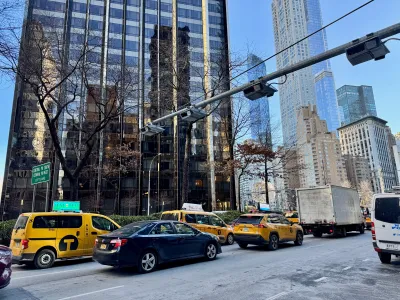
Among American cities, New York City is really one of a kind: from boasting the largest population of any city in the United States, to moving that population with a massive transit system with no comparison on the continent. However, even the city’s colossal transit system couldn’t keep gridlock at bay, forcing NYC to get creative. Almost two years ago, the city became a trailblazer in transportation funding mechanisms and traffic management strategies — of course, I am talking about the nationally famous congestion pricing program.
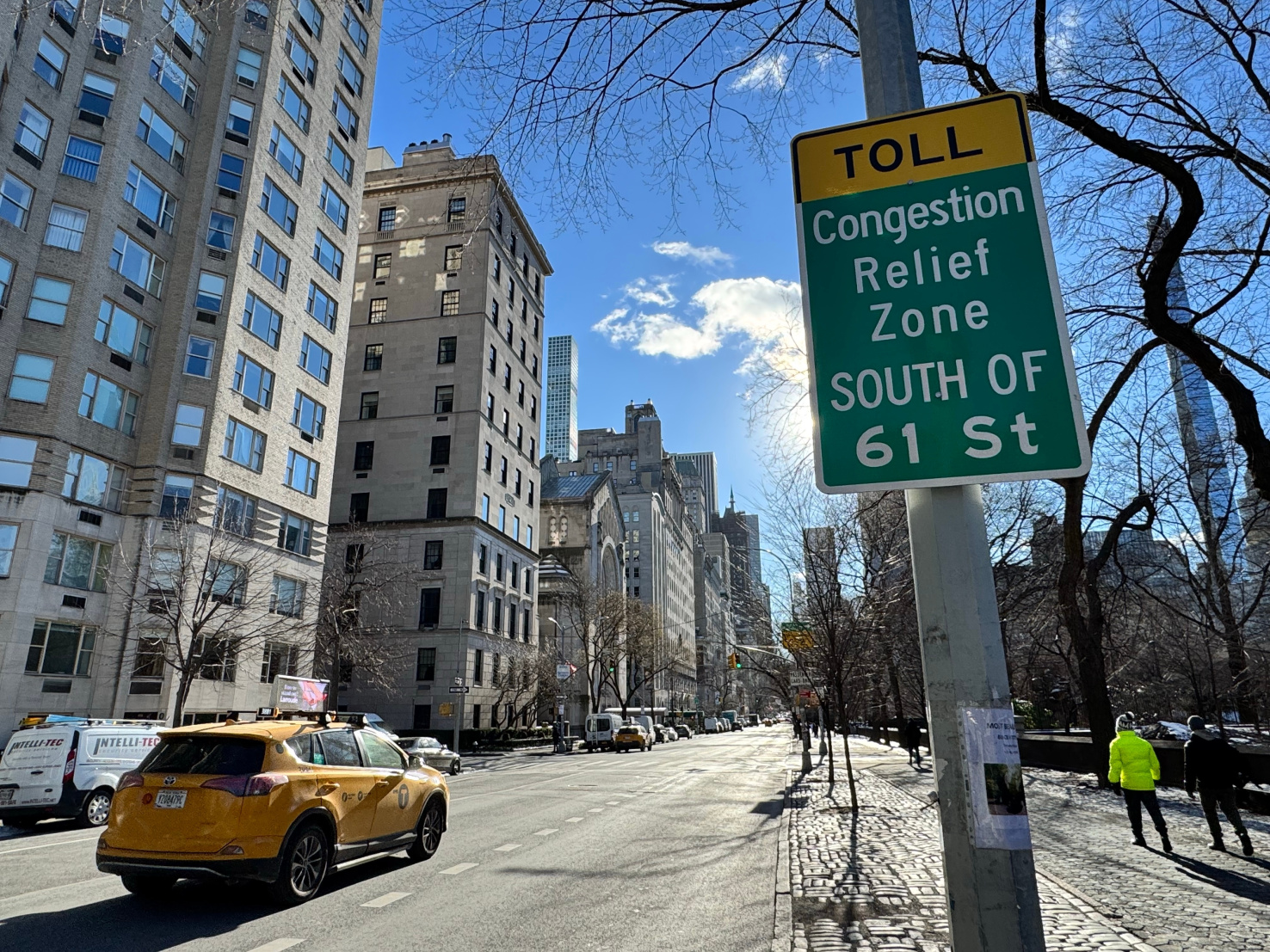
For a quick recap, NYC has adopted zone-based congestion pricing, and charges vehicles that enter the zone depending on how much congestion there is in a specified area. The city’s goal is both to reduce traffic by increasing the monetary incentive and to gather funds for transit.
As everyone who was vaguely aware of the program through the first half of this decade knows, it did not start smoothly. But, nearly two years after its inception in NYC, the MTA and independent researchers have released studies examining congestion pricing's impact on NYC resident’s health, the speed of emergency medical services and parking on 60th street. Long story short: CONGESTION PRICING WORKS.
Congestion pricing rollout faces delays, lawsuits
Congestion pricing has faced political struggles since the very beginning: The state of New Jersey tried to shut down NYC’s program before it even started, arguing in 2023 that the Environmental Assessment of the program was not comprehensive or complete. Despite New Jersey's best attempts, a federal judge denied its push to stop NYC’s congestion tolling plan in early 2025.
New York Governor Kathy Hochul also halted the project indefinitely in June 2024, stating that the toll was too expensive. But, the pause was only temporary: Six months later, with a revised program, congestion pricing finally came alive on Manhattan Island on January 5, 2025.
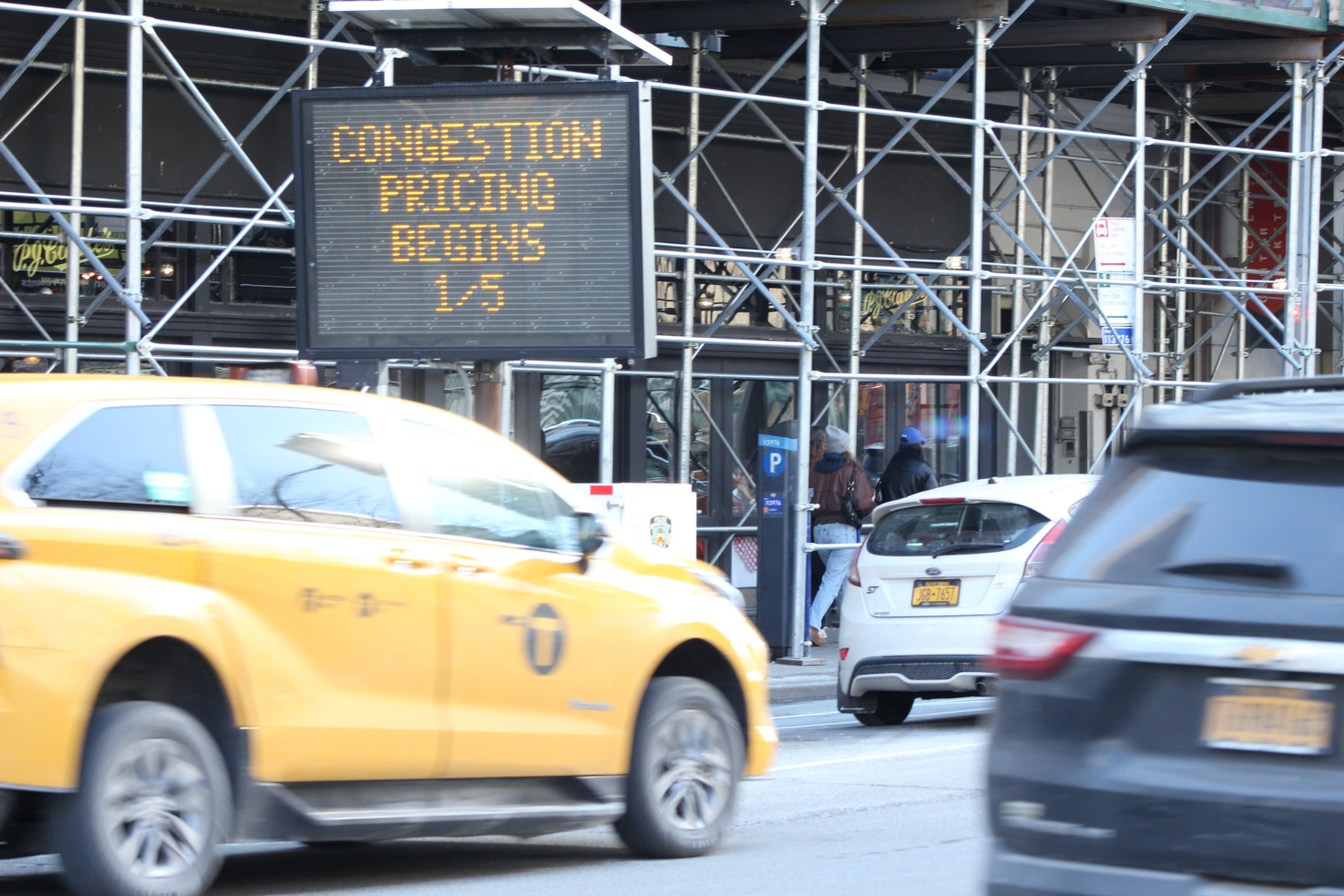
Then, barely a month after NYC introduced congestion pricing, Sean Duffy’s USDOT sued the program claiming that NYC implemented it improperly. Fortunately, a federal judge declared the attempt to end the program was illegal: congestion pricing is still in place today, and now, studies are singing its praises.
Post-congestion pricing, NYC moves faster
Early on this year, MTA’s official first evaluation report shows various benefits of congestion pricing. Highlights include 11% fewer vehicle entries between January and October in 2025, 7.1% fewer vehicle miles traveled in the CRZ from January to September in 2025 and $468M in net revenue raised through October (on track to generate over $500M in the first year).
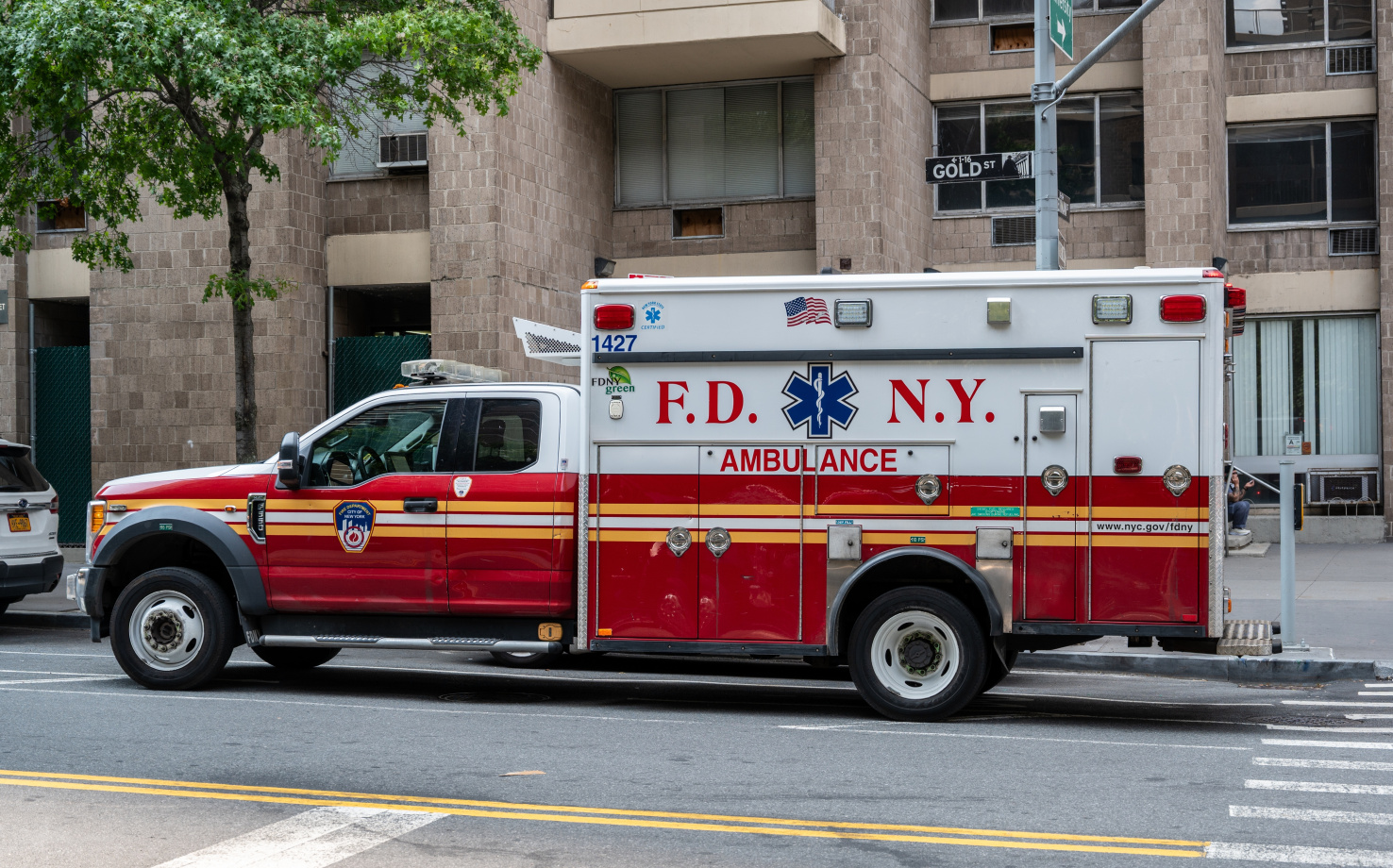
Then, in July of 2026, the National Bureau of Economic Research published a working paper on NYC’s congestion pricing program's effect on emergency medical service response times. The paper found that congestion pricing improves EMS performance, reducing total travel times by 63–70 seconds (approximately 5–6 %). This paper is the first evidence of improved EMS due to NYC’s congestion relief zone, and indicates another net social benefit for the program.
Residents can breathe a little easier
Now, more than 8 months after the MTA’s first evaluation report, more studies have come out revealing the health benefits of congestion pricing. In an article published in the Columbia Climate School in April of this year, Daniel Westervelt, a climate change and air pollution scientist at Columbia University, said “We found that, on average, [fine particulate matter] dropped by about 13% in 2025 compared to previous years due to the CBDTP.” He later emphasized that the study found no significant evidence that pollution increased outside the congestion relief zone.
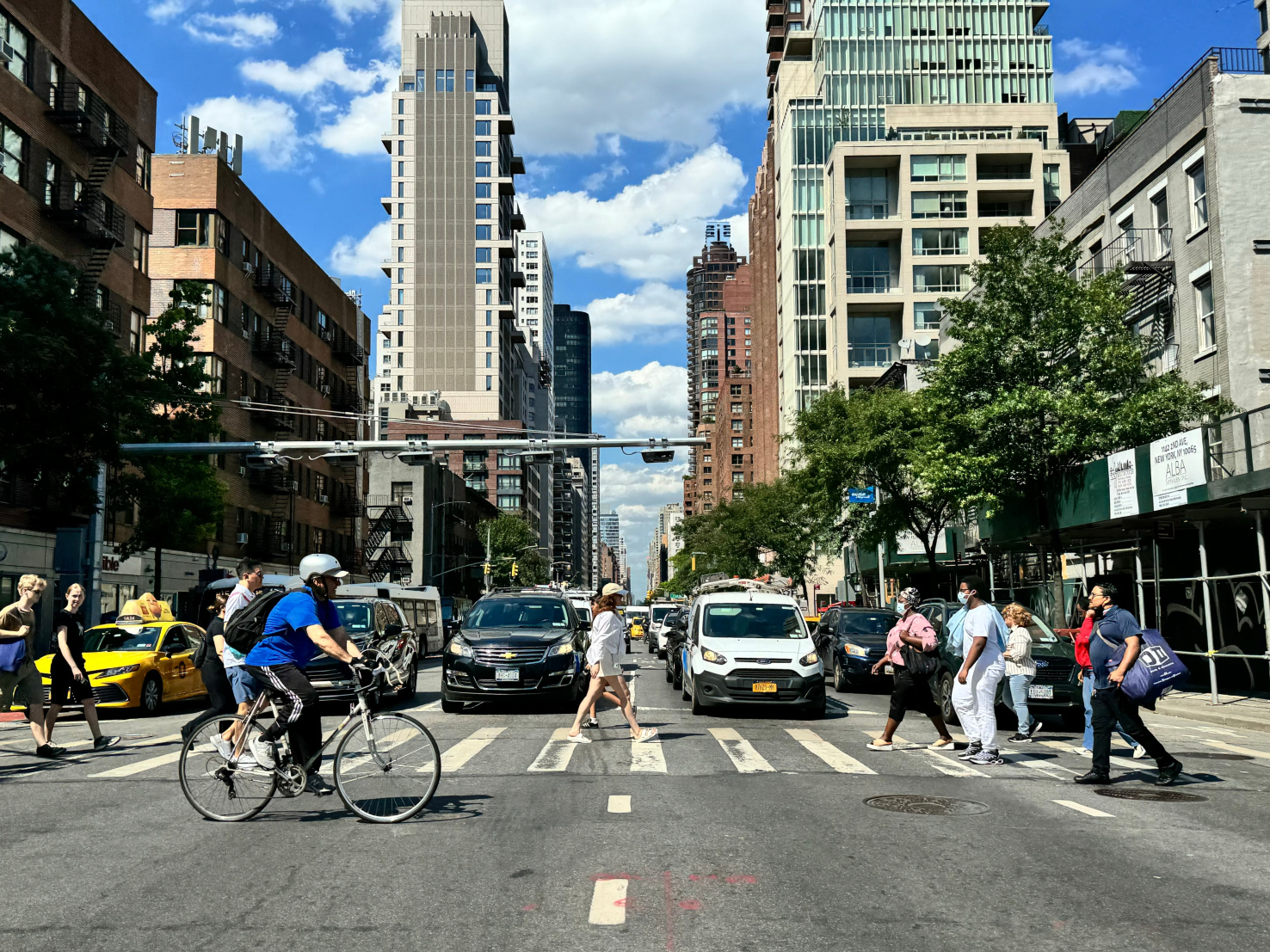
Also in August, a study by Scioto Analysis showed that congestion pricing provided immense health benefits. According to the publication, the program “Reduced air pollution produced the largest estimated benefit. Lower particulate matter 2.5 exposure inside the zone generated approximately $810 million in health benefits, while reduced carbon dioxide emissions produced an additional $9.4 million.”
Parking patterns unchanged
In August of 2026, a study published by NYC’s Department of Transportation found that the congestion pricing program “likely had little impact on parking patterns in the areas within and around the CRZ.” This finding is important as one of the main complaints against congestion pricing was the perceived increase in parking it would cause north of 60th Street, which NYC DOT’s study fully rebukes.
A hard-won victory for NYC
Congestion pricing has not only helped fund NYC’s subway and decreased traffic in one of the world’s most congested metropolises, but has proved itself to have been a program with holistic benefits. Whether this means improving air quality, better EMS response times or less traffic, NYC’s congestion program is bringing all kinds of relief to the city that never sleeps.

Nearly billion-dollar budget deficit looms over MTA
Metropolitan Transit Authority officials say the cost of healthcare, wages, electricity and fuel is outpacing revenue from tolls, taxes and fares.
NYC renovations for dangerous, ‘mercilessly crammed’ street delayed until 2027
Construction was supposed to begin this fall.
NYC votes to cut outdoor dining red tape, speed up permitting
New York City also voted to allow the Department of Transportation to begin work on urgent projects before notifying elected officials.

Planetizen Federal Action Tracker
A weekly monitor of how Trump’s orders and actions are impacting planners and planning in America.

Washington state to charge fee to drivers with fuel-efficient cars
Revenue from the fee will go towards supporting the state’s highways.

Trump to blast ‘hydrocarbon highway’ through ‘world’s longest art gallery’
Environmental and historic preservation groups are suing to stop the project.

MBTA Green Line project moved to next phrase of CIG program
The modernization effort will cost $4.08 billion.

22-mile pedestrian and bike path to encircle Atlanta by 2030
The project will also support affordable housing.

Army detonates nearly 5 tons of lead in Iowa
The detonation comes after days of delays and public outcry.

FREE Course: Walkable City 1: Why Walkability?
After describing his path towards focusing on walkability as the essence of good planning, Jeff Speck marches through his five principal reasons for making more walkable places.
Reinventing Malls: Planning Alchemy—Turning Gray Fields Into Gold
The course focuses on the opportunities and imperatives that shape reinvention of mall sites.

City of Charlotte
City of Rosemead
Rutgers University, Edward J. Bloustein School of Planning and Public Policy
University of Michigan School for Environment and Sustainability (SEAS)
Hunter College, City University of New York (CUNY)
The Architects Foundation
University District Partnership

