In the Washington region, buildings can account for nearly 70% of greenhouse gas emissions. If WMATA wants to be a sustainable agency, it must upgrade its developments as well as its transit.


This story was originally published on Greater Greater Washington.
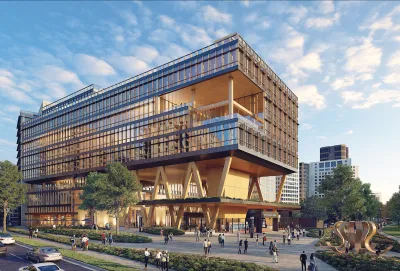
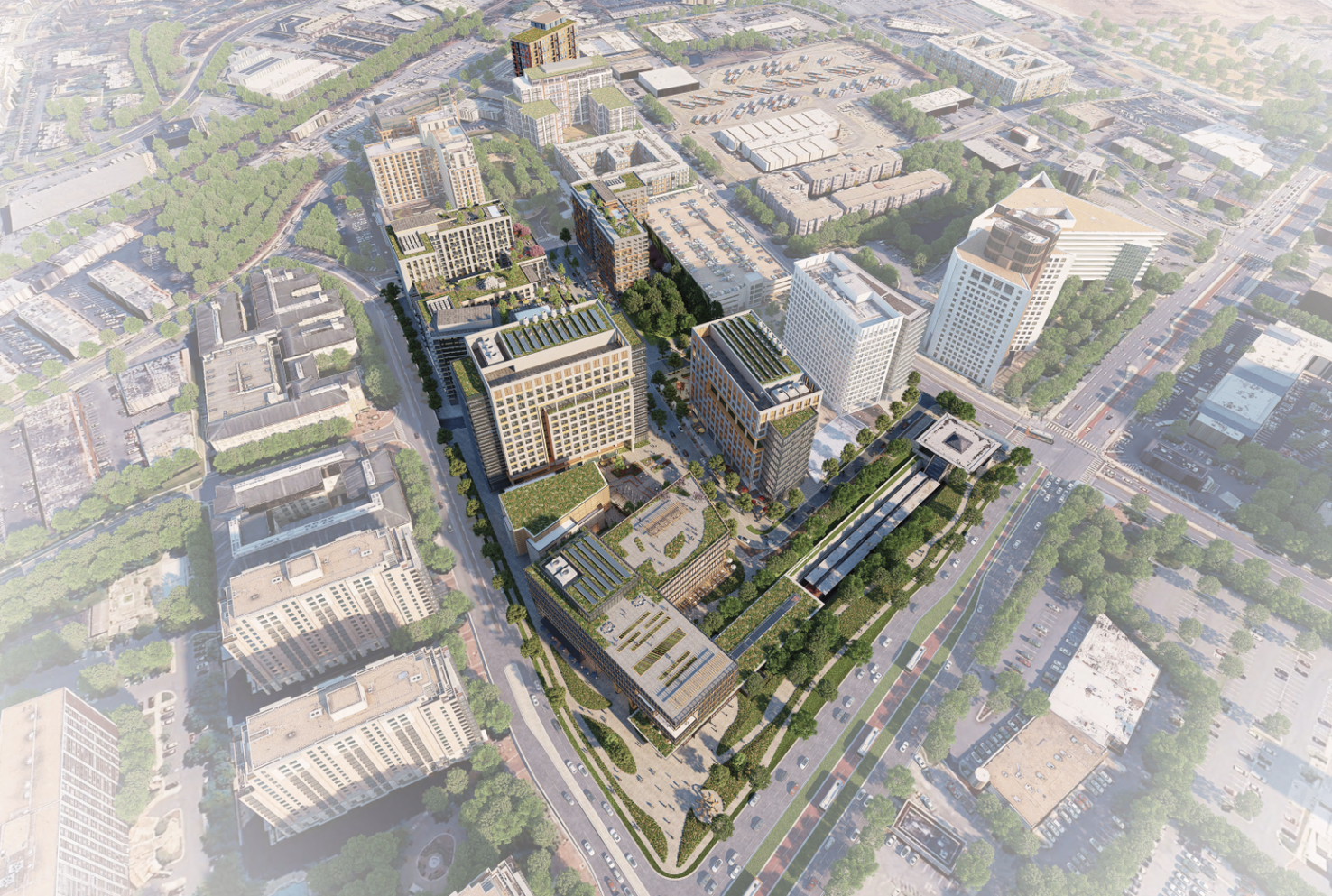
Washington Metropolitan Area Transit Authority selected a developer for the next phase of a 1.9 million square foot mixed-use project at North Bethesda station in May 2025, and the terms that will shape construction are still under negotiation.
As it stands, those terms don’t preserve the option for buildings within the development to share energy infrastructure. They should, and WMATA has the power to make it happen.
Such a setup would reduce emissions and lower energy usage. The cost of not acting is real: Every new building connected to fossil fuel infrastructure today passes higher bills on to future tenants and owners and risks locking the site out of a transition the industry is already making.
Buildings pose a big, solvable emissions challenge
WMATA’s sustainability goals are built around reducing transportation emissions, but in the Washington region, buildings account for 50% to nearly 70% of greenhouse gas emissions. Transit-oriented developments may reduce driving, but the buildings themselves are where the decarbonization challenge actually lives – and where planning for shared energy infrastructure upfront is key.
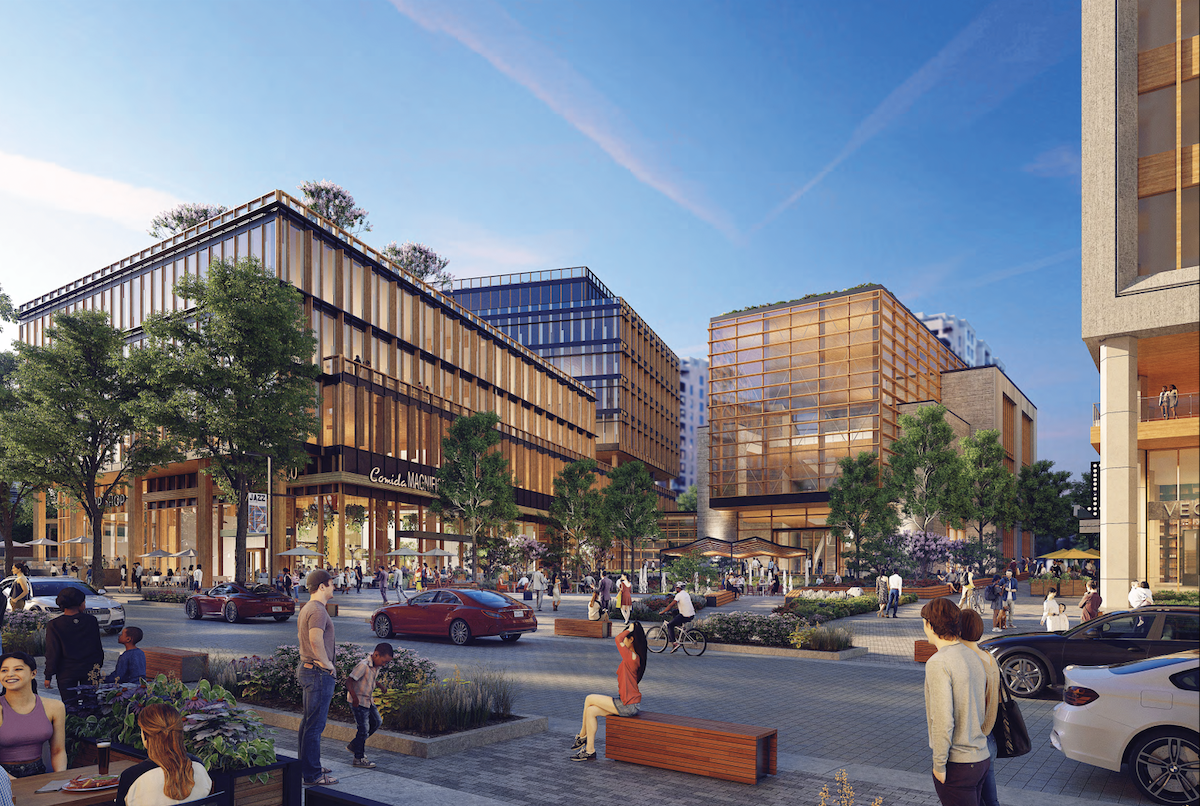
Fortunately, the elements that make a successful TOD, such as high density, optimized ground floors and a mix of uses, also lend themselves to shared energy infrastructure. For example, at North Bethesda, envisioned as a life sciences-anchored hub, waste heat from a lab building could provide heating to adjacent multifamily apartments, reducing the utility costs for both.
The physical conditions are favorable for shared energy infrastructure, but the structure that governs TODs is not. TODs are planned at the master plan level, but delivered in phases, over years, as financing and market conditions allow. Conventional district energy, with a central plant serving many buildings, requires high upfront cost, coordinated ownership, and a commitment to substantial build-out from the start. That’s fundamentally incompatible with phased delivery.
Another shared energy set-up could work, however: Ambient temperature thermal energy networks start at the scale of a single building, don’t depend on a central plant, and retain value whether or not later phases happen on schedule. The cost of shared infrastructure gets spread across many users over time, and incremental deployment is a financial advantage rather than a liability.
Who is responsible for shared energy infrastructure?
At North Bethesda, control is divided three ways: WMATA owns the land, Hines builds the buildings and Montgomery County funds the public realm. No single party has both the authority and the incentive to act on shared energy infrastructure. It falls between the mandates.
You can see this in the North Bethesda project’s governing documents. The memorandum of understanding between WMATA and Montgomery County centers on life sciences development, transit ridership, real estate revenue and new tax revenue from currently tax-exempt land. Sustainability and energy infrastructure aren’t among the goals.
And the funding is already stretched: Even with $96.6 million committed in county and state money, the agreement notes a remaining gap of $12.3 million for streets, sidewalks, utilities and open space alone. Every public dollar is already directed toward the infrastructure that unlocks private development. There’s no line item for shared energy systems, because the framework was never designed to produce one.
WMATA can and should take charge
I’m proposing a low-cost, high-value intervention within WMATA’s existing authority: WMATA joint development agreements and requests for proposals should include language that preserves the option for future shared energy infrastructure.
For North Bethesda, that means language in the JDA that is still being negotiated. For every station that follows, it means language in the solicitation. WMATA controls both. I emailed WMATA to see if the agency has considered incorporating a requirement like this into either this JDA or any other projects, but didn’t hear back.
Implementing that language would mean commissioning a feasibility study once, mapping where shared energy infrastructure could go, and including those corridors as a design constraint in the existing conditions every developer already works from. Reserving that space is far more economically responsible than a retrofit down the line: It’s a planning designation, like any other site constraint.
Other cities have shown this is possible within existing authority. Boston’s Smart Utilities program requires developers of projects over 1.5 million square feet to complete a feasibility study on advanced energy systems (which can include district thermal networks) as part of the standard development review process. No new legislation. No new mandate. A planning agency used its existing development review authority to make energy infrastructure a design parameter from the start.
North Bethesda Phase 5 is 1.9 million square feet. What’s proposed here — preserving the subsurface space so that assessment can happen later — is less than what Boston already requires as standard practice.
The time is now
At North Bethesda, the cost of inaction is high, the authority already exists, and the window for requiring shared energy infrastructure is open until the JDA is signed.
In addition, the regulatory environment is moving faster than the procurement process: For most of WMATA’s portfolio, which is within the District, new buildings will face net-zero energy requirements under the Clean Energy DC Building Code Amendment Act, with regulations due by the end of 2026. Buildings connected to fossil fuel systems today are using infrastructure that may be noncompliant before the decade is out.
The moment to treat energy infrastructure as a foundational design parameter, alongside streets, station access, and public space, is before – not after – key development decisions are locked in.

Northern Virginia Projects Counting on Transit
A proposed stadium and other major development projects near transit stations could be hampered by the regional transit agency’s financial woes.
Opinion: More TOD in the DC Area Could Improve Both Transit and Housing
Converting underutilized parking lots to housing could make transit more accessible and housing more affordable.
D.C. Regional Framework Emphasizes Equity, Connectivity
The Region United Framework for 2030 outlines a plan for sustainable, equitable development, calling for a 'holistic' approach to regional planning.

Planetizen Federal Action Tracker
A weekly monitor of how Trump’s orders and actions are impacting planners and planning in America.

HUD modernizes 50-year-old manufactured housing framework
The Next Generation Manufactured Housing Action Plan establishes new energy-efficiency standards for manufactured homes, and new guidelines for anchoring them.

Data reveals that NYC’s bet on congestion pricing has paid off
After almost two years of the program, reports show positive impacts on traffic and air quality and no disruptions to parking.

Developers sue Mississippi landowners who object to pipeline through their land
Because the Federal Energy Regulatory Commission approved the pipeline project, the developer can use private land without the consent of the owner.

A gas leak in NYC is costing residents $300 million
More than 90% of NYC’s electricity is from natural gas. About 2% of that gas is leaking and escaping into the air.

CA officials have the power to fix the state’s riskiest dams. They’ve never used it
California’s 40 most hazardous dams would endanger up to 1.5 million people if they failed.

FREE Course: Walkable City 1: Why Walkability?
After describing his path towards focusing on walkability as the essence of good planning, Jeff Speck marches through his five principal reasons for making more walkable places.
Reinventing Malls: Planning Alchemy—Turning Gray Fields Into Gold
The course focuses on the opportunities and imperatives that shape reinvention of mall sites.

One Hundred Miles
County of Mendocino
planning NEXT
The Architects Foundation
University of Cincinnati Online
Montrose County
Northern Illinois Transit Authority (NITA)
The Pocatello Development Authority

