Vermont and Maine residents may see a 76% increase in the cost of warming their homes this winter.



For the over 4 million households in the United States who rely on heating oil, the cost to warm their homes this winter may be "devastating," Tik Root writes for Grist. Because of the United States’ war with Iran, heating oil is the most expensive it's ever been. The National Energy Assistance Directors Association predicts that the cost of heating homes in the Northeast could go up 50%, or $878 per household. Vermont and Maine may see a 76% increase.
“These increases threaten to overwhelm the Low Income Home Energy Assistance Program, a federal safety net for those who cannot afford to heat or cool their homes. With existing aid buying far less fuel than it did before the war, Republicans and Democrats alike are pressing the Trump administration to release assistance quickly while Congress weighs whether to put billions more into the program. The situation is so dire that the governor of Massachusetts declared a state of emergency on Monday,” Grist reports.
Northeastern residents with oil furnaces may be able to offset the cost by turning to space heaters, but they are less efficient. Burning wood in a fireplace is another option, or weatherizing homes with insulation.
Read the full story: The Northeast’s reliance on heating oil is turning into a crisis
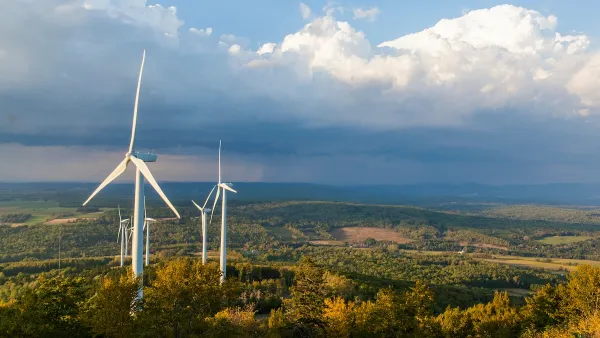
5 New England states march closer to 800 megawatt wind energy project
Securing federal approval for the project may be complicated under the Trump administration, which has historically been hostile towards domestic wind power.
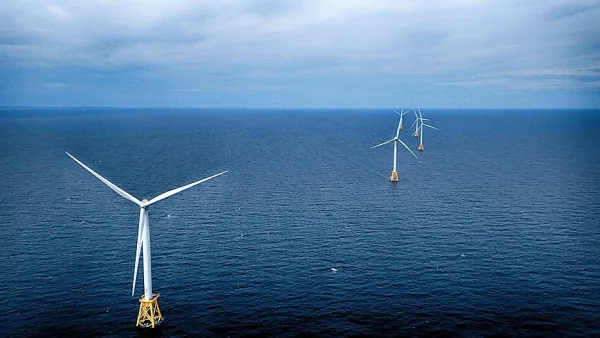
Through ‘questionable’ means,Trump is paying to make offshore wind power disappear
The East Coast is in need of renewable energy, but wind farm developers face permit revocations and stop-work orders from the Trump administration.
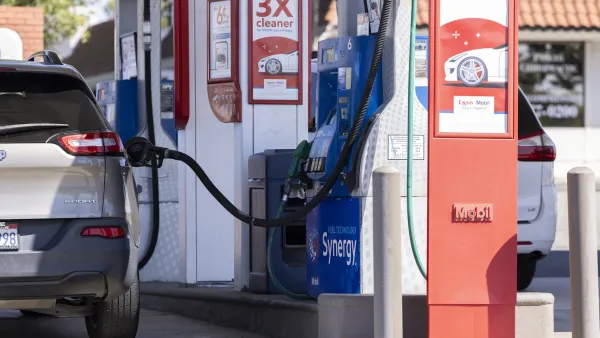
Analysis: Suspending the gas tax wouldn't save Americans much on gas this summer
Even if Congress approves a proposal to temporarily lift the federal gas tax, a variety of other factors and transportation and processing delays would mean American consumers would see little difference at the pump.

Washington state to charge fee to drivers with fuel-efficient cars
Revenue from the fee will go towards supporting the state’s highways.

Illinois considers spending $1 billion in taxpayer money on data center
A quantum computing campus and data center are currently under construction in Chicago.

Trump to blast ‘hydrocarbon highway’ through ‘world’s longest art gallery’
Environmental and historic preservation groups are suing to stop the project.

NYC, state sue feds over mixed-immigration-status housing assistance rule
The state’s lawsuit argues that the rule change violates the Administrative Procedure Act.

Michigan to turn neighborhood into virtual power plant
Residents will soon be able to divert their excess energy to the grid in exchange for compensation.

Data center, mining project swarm to long-awaited Alaska railroad line
The state-owned railroad approved final plans for the spur line this week; the project is expected to cost $311 million, mostly funded by the federal government

FREE Course: Walkable City 1: Why Walkability?
After describing his path towards focusing on walkability as the essence of good planning, Jeff Speck marches through his five principal reasons for making more walkable places.
Reinventing Malls: Planning Alchemy—Turning Gray Fields Into Gold
The course focuses on the opportunities and imperatives that shape reinvention of mall sites.

City of Charlotte
City of Rosemead
Rutgers University, Edward J. Bloustein School of Planning and Public Policy
University of Michigan School for Environment and Sustainability (SEAS)
Hunter College, City University of New York (CUNY)
The Architects Foundation
University District Partnership