When Britain and Japan faced the consequences of monopolistic public transit, both countries divided their transit up into regional private companies — and saw very different outcomes.


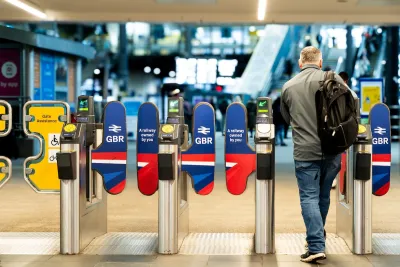
In 1987 Japan privatized its public railway agency, and today it stands as the gold standard of train travel. In 1994 Britain did the same, but today the country is clamoring to renationalize its crumbling rail system. Why is it that Japan's private railway network is the envy of the world, yet Britain's private rail network is seen as some sort of a pariah? What went wrong, and what lessons can other counties learn from these examples when trying to improve their own rail networks?
Public Transportation is a natural monopoly. Its start-up costs are so eye-wateringly high and economies of scale so significant that it is incredibly difficult to properly facilitate competition within the market. This structure creates a problem: how can you reap the benefits from a competitive market when the market structure actively discourages competition? How do you avoid the pitfalls of both complacent government and unchecked monopolies?
When Britain and Japan faced the consequences of monopolistic public transit, with riders complaining of high fares, poor service and safety hazards, the countries decided to divide their transit up into regional private companies. That way, the companies could compete in the transit market while still operating under some level of government oversight, ideally improving service for taxpayers. However their methods varied wildly, and their difference in outcomes reveals where privatization shines, and where it doesn't.
Japan’s shining example
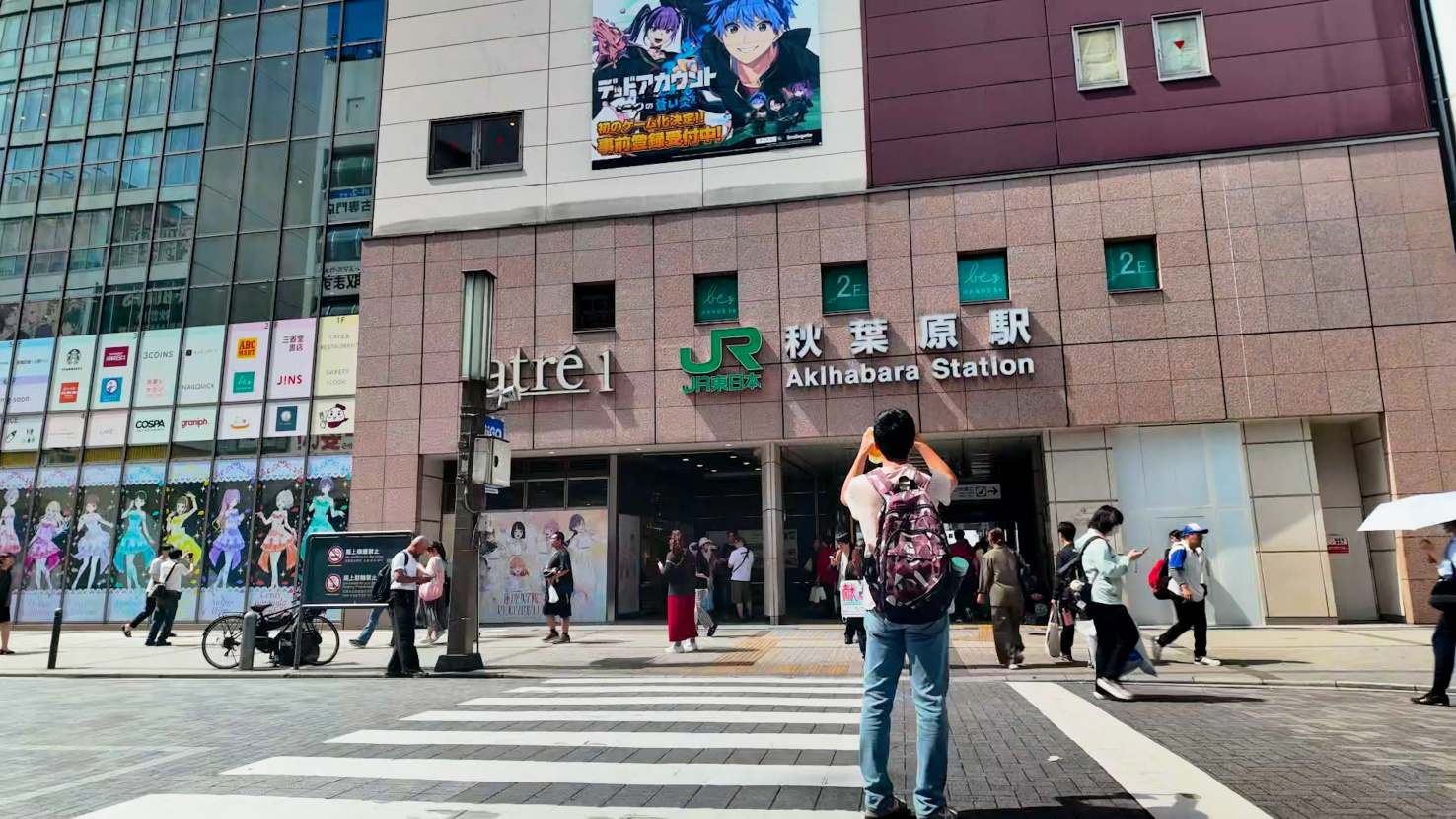
Japan is known around the world as having one of, if not the, best rail system out there, known for being ultra-reliable, easy to use, comprehensive, and cheap. Privatized in 1987 due to the many complaints lodged against the state-owned Japan National Rail (JNR), which included poor service, high fares, high debt and an overly-centralized structure that was left unable to properly act or attend to regional needs. Consequently, the idea of splitting up and privatizing the system started to gain traction.
The Japanese government ultimately split up JNR into 6 different private companies, each given a region of the country, while a 7th company was to take care of freight rail nationally. This organization of companies is called the Japan Rail Group, with each company name starting with JR and their corresponding region. Despite having regional control, a mixture of government regulation and business diversification, which create outside incentives to attract riders, help prevent monopolistic behavior from these companies.
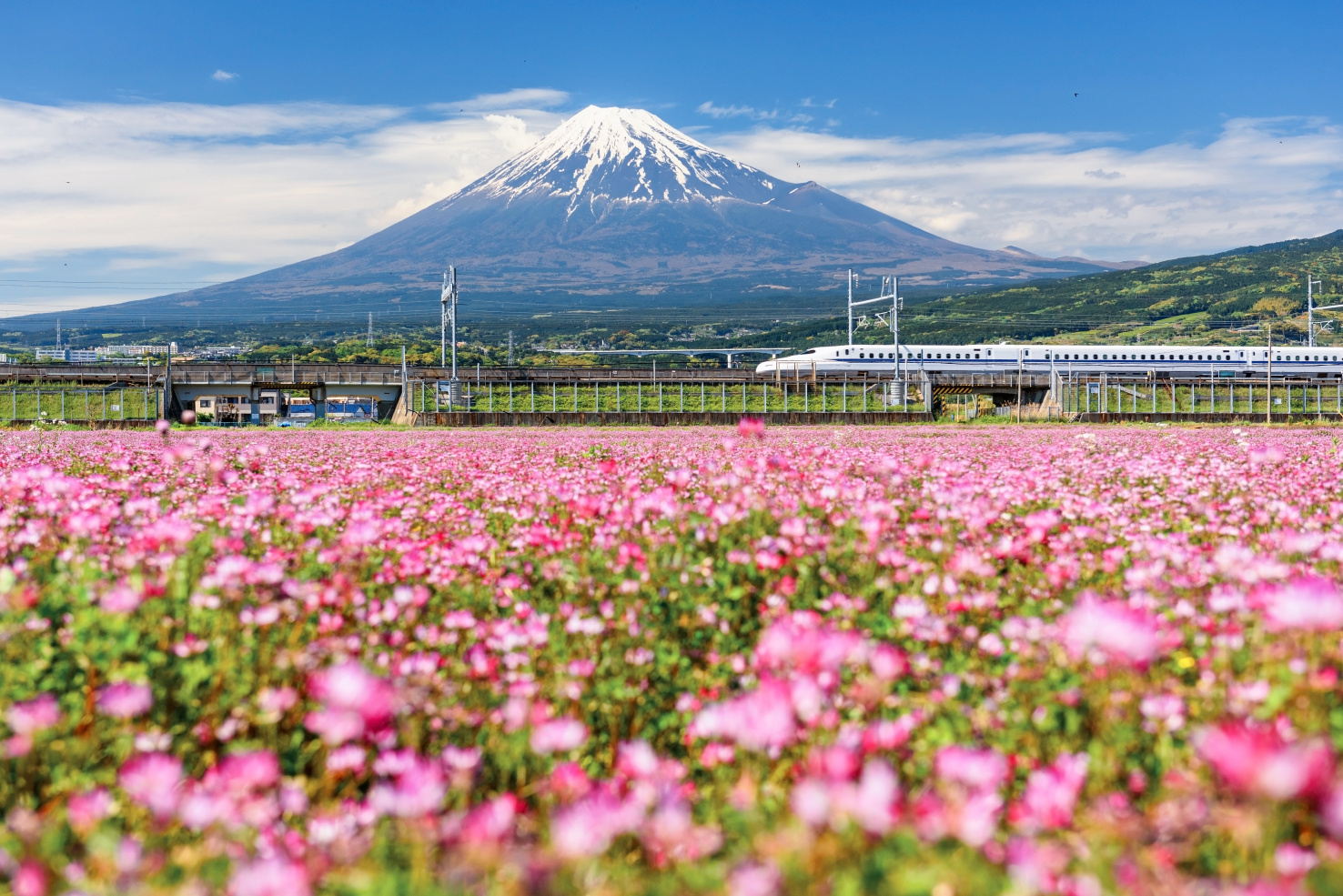
A major aspect of what makes the JR Group successful is real estate. In fact, it could be argued that these aren't railroad companies, but instead real estate developers. In JR East (one of the most profitable in the group and operating within some of the highest density places in the country, including Tokyo), about one third of their profits come from real estate, and in JR Kyushu a whopping 60% of all revenue is from real estate. This relatively large portion of revenue is explained by the fact that these companies develop the area around stations into commercial centers, which further incentivizes good rail service, as the more people who travel, the more people who are there to spend. In Japan, housing prices are depreciating and the population is decreasing, therefore it is often easy and cheap for Japanese citizens to pick things up and move to a location with better service, increasing competition between regional monopolies.
JR Group companies will also subsidize unprofitable lines, possibly due to the fact that they make up much of the cost by funneling more people into their shopping centers, or that general connectivity incentivizes more people to rely on the rail system as their main mode of transportation.
Despite what it may seem, not all is perfect within the JR system. JR Hokkaido is consistently unprofitable and is kept afloat by government subsidies to the tune of about ¥40 billion in 2018, about $470-480 million in 2026 dollars. This is due to Hokkaido being a sparsely populated region, with one-eighth of their stations receiving about 1 passenger per day. It is important to note that Hokkaido is not alone in its unprofitability; JR Shikoku has never been profitable since its inception, and JR Kyushu has only been kept afloat by real estate.
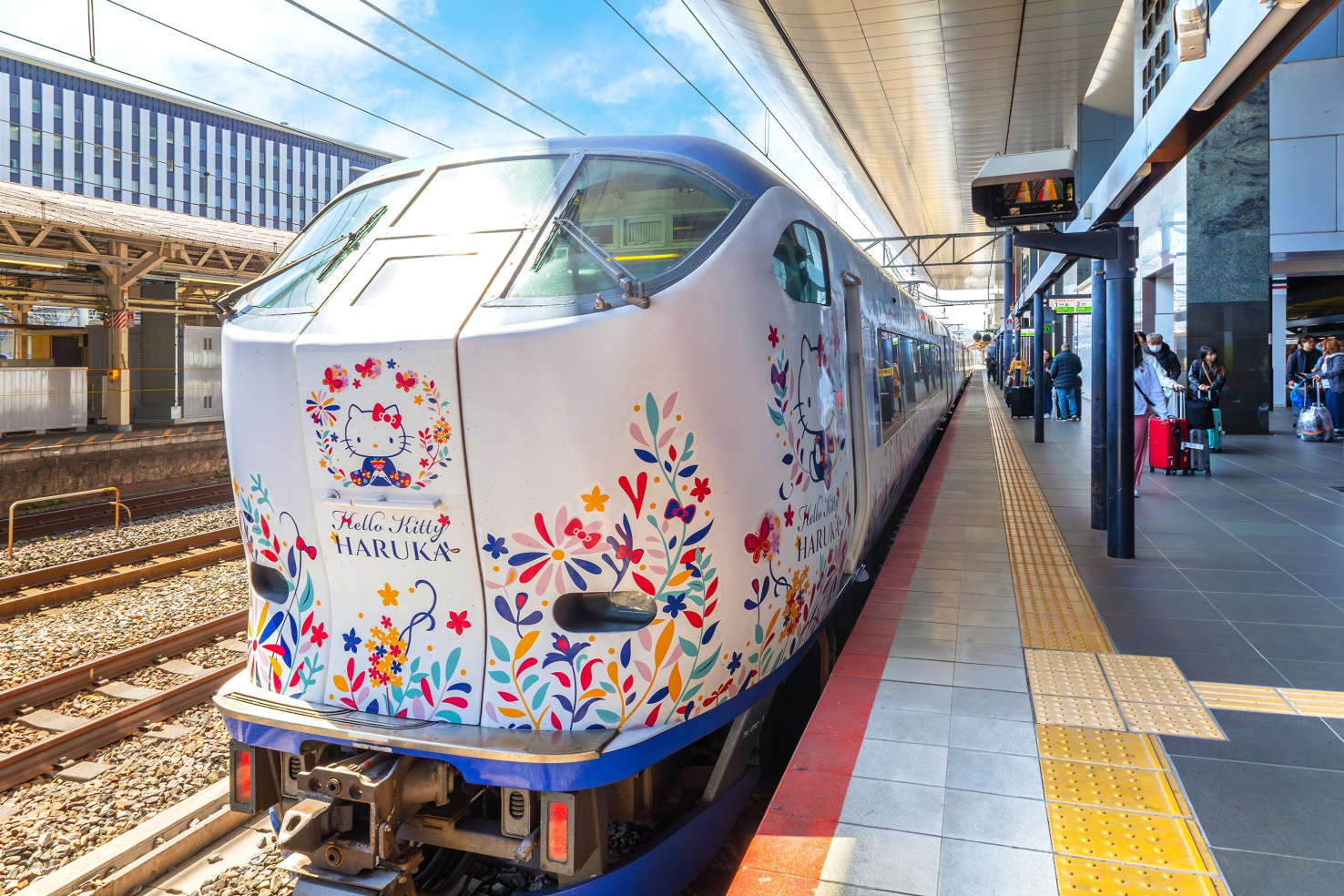
It seems that Japan's reputation of having incredibly effective and profitable private rail belongs only to the JR companies situated in the most densely populated areas of the country. These being JR East, JR West, and JR Central. This lack of universal profitability shows that privatization is not a silver bullet, and most rail is not going to be directly profitable. Like how we treat our roads and highways, perhaps we shouldn’t expect rail in and of itself to be profitable, and understand that profitability does not equate to something being beneficial. Another take away from Japan's system is that privatization wasn't the only factor that improved Japanese rail: decentralization played a big role in improving the system. A major complaint about the JNR was it was too large and couldn't properly administer or serve regional interests, which was solved by breaking the system up into regions and allowing each region to focus on their specific needs.
In the UK, privatization fell flat
Every yin has its yang, and if Japan's rail is the yin, UK’s rail is definitely the yang. Nowadays, the privatization of UK rail is widely considered a failure, and calls for renationalization have become more and more popular. The UK privatized its state-owned rail company, British Railways, for many of the same reasons as Japan: high fares, poor service, poor finances and a general malaise that had overtaken the company. The government finally decided to pull the plug on British Railways, and broke it up into regional private companies in 1994, much like Japan.
However, a key distinction between Japan and the UK is that the UK did not give infrastructure rights to the newly-private rail companies, taking until around 1996 for the infrastructure to be privatized into a separate group of companies called Railtrack. Railtrack companies would own, operate and maintain the rail, signaling, and many of the stations, while the service companies would operate trains and provide rail service, much like airlines do. This fragmentation would prove to be crippling, as it created a disconnect between rail service providers and infrastructure companies and led to inefficiency, dysfunctional traffic, delays and poor safety outcomes. This myriad of issues and dysfunction finally culminated into the Hatfield crash in 2000, which shocked the country enough to renationalize Railtrack into Network Rail, returning infrastructure ownership to the state in 2002.
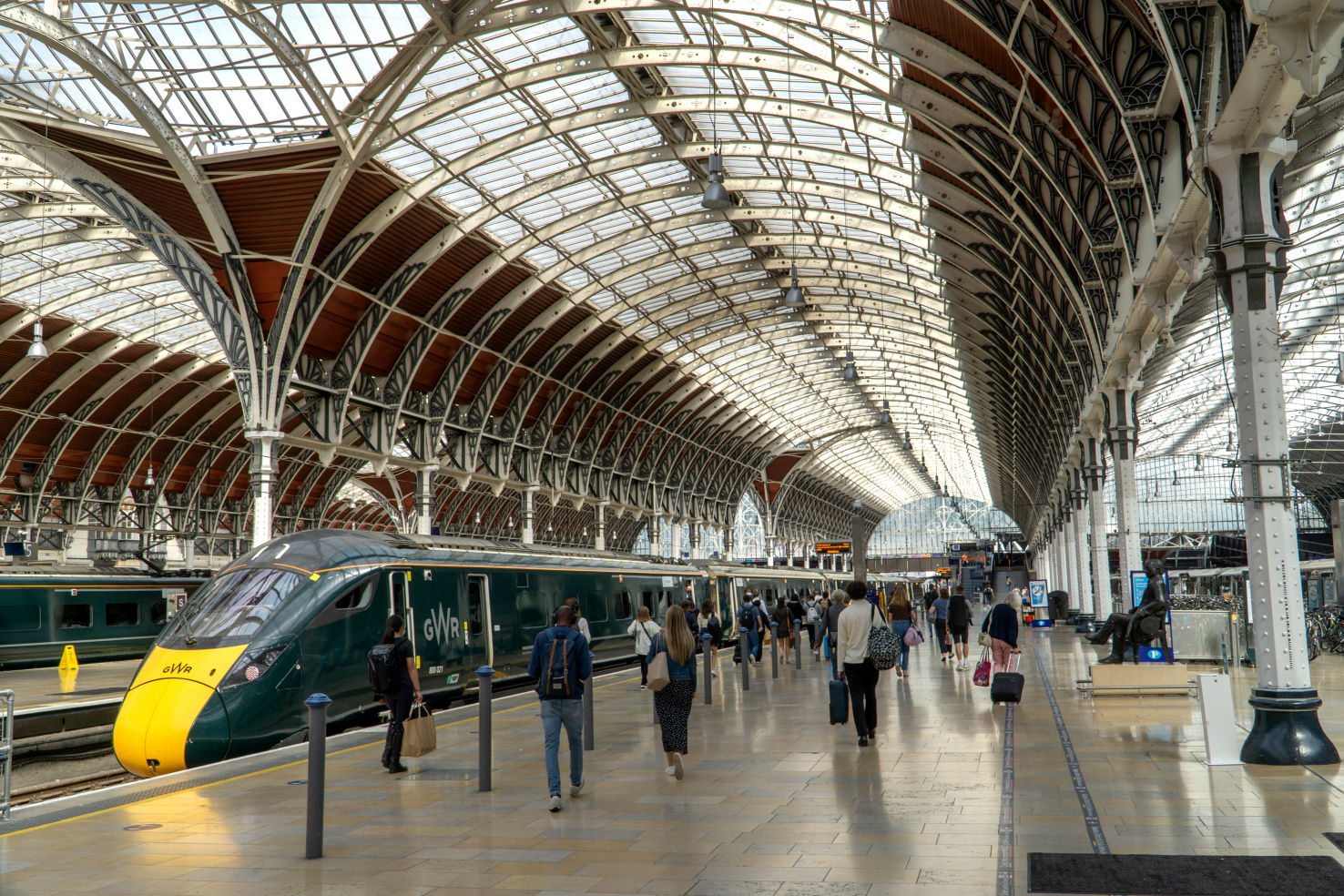
The rail service providers were not doing much better. While ridership increased after privatization, some argue that it was partially due to outside factors like rising gas prices and increasing congestion on motorways.
Nowadays, Britain's private transit providers compete for ten-year franchising contracts for certain lines, which can not only disincentivize long-term planning, but also prevents them from engaging in real estate business (which was a key factor in the success and profitability of Japanese rail), while at the same time giving certain franchisees a monopoly over specific lines. In the case that these companies do fail to turn a profit, the government is forced to step in and subsidize these companies, as a collapse of the rail system would be unacceptable. Taking inflation into account, the government now spends three times the amount on subsidies than it did in the years before privatization, which does not include funds towards Network Rail. Complicating the situation further, these companies are publicly traded, which means that these subsidies go towards paying the dividends of stockholders and executive bonuses.
Lessons learned
When comparing UK and Japanese privatizations, the main differences seem to lie in infrastructure rights: the UK fragmented its system by separating service and infrastructure, Japan empowered its companies to both control infrastructure and services, which vastly improved efficiency and coordination. In fact, Japan seemed to purposely create monopolies, but created enough government oversight to prevent monopolistic behavior, while allowing enough freedom for these companies to diversify into more profitable and competitive markets like real estate. This in turn created market incentives to improve rail services, even with monopolistic control. It appears Japan found the relative sweet spot between monopolistic efficiency and social well-being. While in the UK these companies are incentivized to think short-term due to short franchise leases and are afforded no real incentives or ability to invest into real estate, especially seeing as many stations are still owned by the state. This forces the rail network to rely entirely on service revenue, which often does not turn a profit.
Perhaps the real solution in Japan was not entirely privatization, but creating a more nimble system that allowed for both revenue diversification and targeted government oversight. What is the point of privatization in the more rural regions if they require government money to stay running? The private companies get to keep the revenue and profits while the government takes all of the risk for them, at the same time being forced to close unprofitable but socially beneficial services. Perhaps the UK would’ve been better off by reforming British Railways itself, rather than dismantling the whole system.
The assumption that the only driver of efficiency and improvement is profit is a flawed and dangerous concept, and while it can be a useful tool in certain circumstances, perhaps we should diversify our options. For any country looking to better its rail system, taking lessons from Japan and the UK and prioritizing a nimble, empowered system that is able to plan long-term may be the key to developing a more robust rail service.


Japan’s bullet trains to debut private pods with 5G wifi windows, “invisible audio bubbles”
The compartments have “personal sound zones” with noise-cancelling technology embedded in the seats, and wifi-infused glass that promises interruption-free streaming and video calls.

The Tiny, Adorable $7,000 Car Turning Japan Onto EVs
The single seat Mibot charges from a regular plug as quickly as an iPad, and is about half the price of an average EV.
A New Tallest Skyscraper for Japan
The Toranomon-Azabudai reaches 330 meters into the sky, far lower than international standards but taller by 30 meters than the previous tallest building in Japan.

Planetizen Federal Action Tracker
A weekly monitor of how Trump’s orders and actions are impacting planners and planning in America.

Amtrak, CN end decades-long dispute with eight-year agreement
The new operating agreement establishes an updated framework for the companies to work together, including processes to resolve disputes.

Northwest rail fans eager for Sept. 30 debut of Amtrak’s Airo fleet
Get ready for that new train smell and more seats. But they won’t go faster or run more frequently on the Cascades route in Washington and Oregon.

NYC to turn city-owned property into thousands of homes
The city has scheduled a public hearing regarding the development for October.

Buses travel at 5mph along this route in NYC. The Bronx's first-ever busway looks to change that
Prior to the busway, buses on the Bx36 route traveled as slowly as 5 miles per hour.

Pittsburg launches 'EZ permits,' aims for one-day turnaround for low-risk permits
The pilot ‘fast lane’ for permits is part of a bundle of modernization efforts for Pittsburg’s permitting process.

FREE Course: Walkable City 1: Why Walkability?
After describing his path towards focusing on walkability as the essence of good planning, Jeff Speck marches through his five principal reasons for making more walkable places.
Reinventing Malls: Planning Alchemy—Turning Gray Fields Into Gold
The course focuses on the opportunities and imperatives that shape reinvention of mall sites.

City of Thousand Oaks
City of Wisconsin Rapids
Harvard University Graduate School of Design
The Architects Foundation
University of Cincinnati Online
The Pocatello Development Authority
The Urban Renewal Agency of the City of Pocatello

