Seismic surveys can scar tundra and disturb wildlife, including female polar bears, and drilling has been known to alter caribou behavior and Arctic migration patterns.


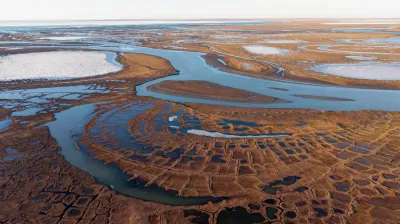
The Department of the Interior is set to publish a "categorical exception” of the National Environmental Policy Act for oil and gas companies. The exception will permit them to drill new exploration wells and conduct seismic surveys in Alaska’s National Petroleum Reserve without environmental reviews, writes Adam Federman for High Country News.
Seismic surveys can scar tundra and disturb wildlife, including female polar bears. Drilling has been known to alter caribou behavior and Arctic migration patterns, and oil and gas development also risks thawing permafrost. High Country News reports:
The legal basis for a categorical exclusion is that the proposed activities will have “no significant impact” on the environment. Such exclusions are typically applied in places where the agency has determined there is little risk to natural resources. Jeremy Lieb, a senior attorney at Earthjustice, an advocacy group that has sued to block development in the NPR, said that exploratory drilling and seismic testing have had well-documented impacts and are precisely the kind of actions that should be scrutinized by the land-management agency.
The NPR is 23 million acres and the largest piece of land managed by the Interior Department. After Trump took office, the Interior scrapped Biden-era regulations, canceled the caribou conservation initiative and prioritized oil and gas development.
Read the full story: Arctic drilling in Alaska won't get environmental review in new proposal

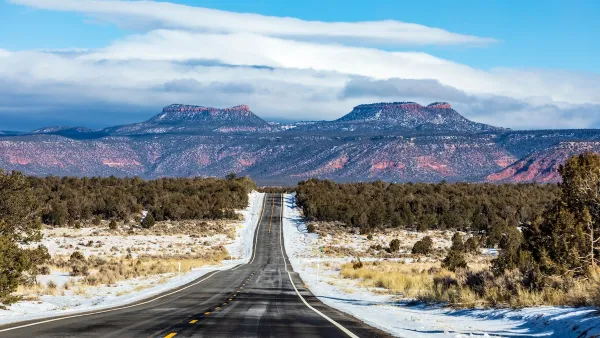
National Monuments Under Threat From Mining Under New Executive Order
An executive order from the Department of the Interior could gut protections for public lands established under the Antiquities Act.
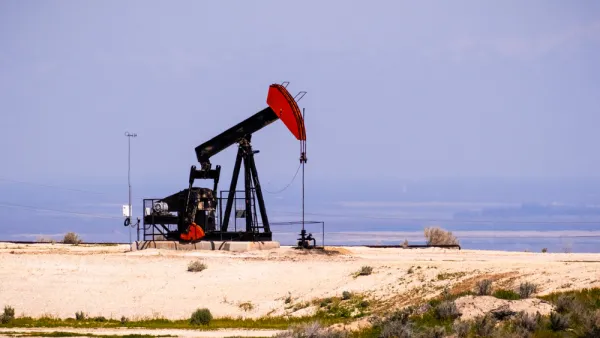
Department of Interior Plans to Open 1 Million Acres in California to Fracking
The Bakersfield Office of the Bureau of Land Management released an environmental study that is the basis for undoing a 2013 de facto moratorium on fracking on federal lands in California. The Supplemental EIS triggers a 45-day public comment period.

Senate bill would ‘overhaul’ environmental permitting laws
Under the proposed act, government agencies would also not be able to suspend or rescind permits after granting them.

Planetizen Federal Action Tracker
A weekly monitor of how Trump’s orders and actions are impacting planners and planning in America.

Data reveals that NYC’s bet on congestion pricing has paid off
After almost two years of the program, reports show positive impacts on traffic and air quality and no disruptions to parking.

Denver is solving homelessness. Why aren't the rest of us?
Since 2023, Denver's street homeless population has decreased by 64%, proving that effective tools exist to support those in need of housing.

Michigan needs billions to save its water infrastructure. The state won't fund it
Michigan needs to invest $2.8 billion per year over the next 20 years to fix its water infrastructure. The FY 2027 budget allocates only $27.9 million.

Trump asks Supreme Court to allow border wall through Texas national park
Judge Kathleen Cardone previously blocked the Big Bend border wall project, and Texas’ Land Commissioner has spoken out against it as well.

This MA town is drowning in its own sewage — and residents like it that way
Susan Murcott, a waste water expert, said if Carlisle didn't address their leaking sewage, the problem could turn “deadly.”

FREE Course: Walkable City 1: Why Walkability?
After describing his path towards focusing on walkability as the essence of good planning, Jeff Speck marches through his five principal reasons for making more walkable places.
Reinventing Malls: Planning Alchemy—Turning Gray Fields Into Gold
The course focuses on the opportunities and imperatives that shape reinvention of mall sites.

City of Rosemead
Rutgers University, Edward J. Bloustein School of Planning and Public Policy
One Hundred Miles
The Architects Foundation
University of Cincinnati Online
Montrose County
Northern Illinois Transit Authority (NITA)
The Pocatello Development Authority