Extreme heat, flooding and other weather events are increasing isolation and fraying social ties.


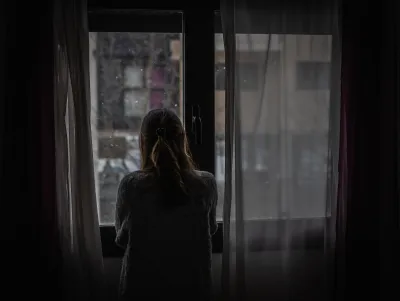
In a piece in The Conversation, Fiona Doherty explains how the deepening climate crisis and extreme weather are wearing away social connections, worsening the "loneliness epidemic."
As Doherty notes, extreme heat, severe storms and flooding and other weather events can make travel unsafe or impossible, sever transportation networks and prevent people from engaging in social activities. "These disruptions can erode the everyday interactions that help people feel connected."
Similarly, weather can disrupt communication networks, further cutting people off from the virtual ways we connect, increasing isolation and putting vulnerable people like the elderly at increased risk.
According to Doherty, "Another way climate change can weaken social connection is by altering places and traditions that hold cultural and community significance." Storms destroy parks, beaches and community spaces, in some cases leaving entire towns without gathering places. Dwindling water levels make lakes and rivers too low for recreation uses. "Over time, frequent and consecutive weather hazards can weaken relationships by limiting mobility and social engagement."
For Doherty, this points to a need for local and regional governments to invest in community hubs and resilient gathering spaces that can help keep residents safe and socially connected during extreme weather events and year round.
Read the full story: Climate change may be making us lonelier. How heat waves and extreme weather disrupt social connections

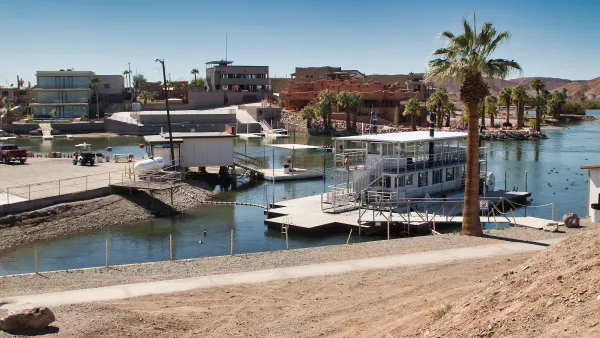
Arizona had its hottest spring in 131 years
Average March temperatures across the state were 12.5 degrees above normal.
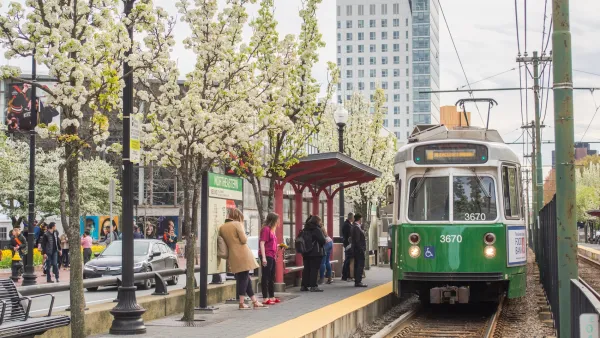
MBTA 'Resilience Roadmap' plans for climate change's impacts on transit infrastructure
The Massachusetts transit agency says its tunnels and power systems are at greatest risk from increasingly unpredictable extreme weather.
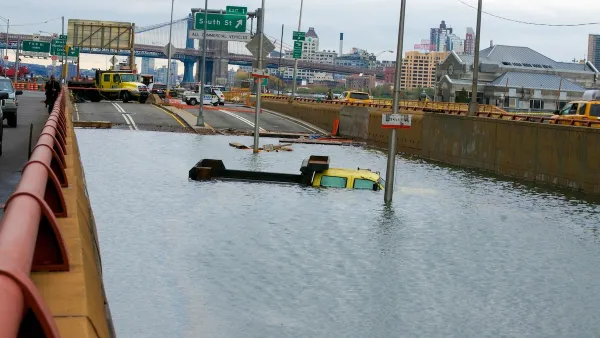
Over a Quarter of US Homes Face ‘Severe or Extreme’ Climate Risk
The number of U.S. homes at risk from hurricanes, fires, or flooding is valued at close to $13 trillion.

Planetizen Federal Action Tracker
A weekly monitor of how Trump’s orders and actions are impacting planners and planning in America.

Amtrak, CN end decades-long dispute with eight-year agreement
The new operating agreement establishes an updated framework for the companies to work together, including processes to resolve disputes.

Northwest rail fans eager for Sept. 30 debut of Amtrak’s Airo fleet
Get ready for that new train smell and more seats. But they won’t go faster or run more frequently on the Cascades route in Washington and Oregon.

Austin landlords only need to address mold when it covers 25 sqft. A resolution looks to change that
The city manager will propose updates to the city code regarding regulations around mold in May.

NYCHA’s green future? Officials open ‘showroom’ apartment with sustainable features
Heat pumps, inductions stoves and infrared heating panels: these are a few of the climate-friendly upgrades being installed at some public housing developments, with more to come, officials said Tuesday.

Newsom kills bill requiring polluting factories near schools to undergo environmental review
In his veto letter, Newsom wrote that protecting communities and strengthening manufacturing “were not mutually exclusive.”

FREE Course: Walkable City 1: Why Walkability?
After describing his path towards focusing on walkability as the essence of good planning, Jeff Speck marches through his five principal reasons for making more walkable places.
Reinventing Malls: Planning Alchemy—Turning Gray Fields Into Gold
The course focuses on the opportunities and imperatives that shape reinvention of mall sites.

City of Thousand Oaks
City of Wisconsin Rapids
Harvard University Graduate School of Design
The Architects Foundation
University of Cincinnati Online
The Pocatello Development Authority
The Urban Renewal Agency of the City of Pocatello