Mayor Brandon Johnson revoked an offer to pay more than $800 million above the next-highest bidder to regain control of the city's parking meters.


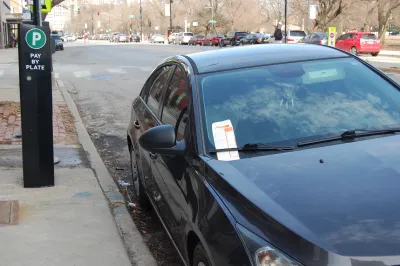
Chicago mayor Brandon Johnson bid $3.3 billion to reclaim control of the city's parking meters last fall, reports Mick Dumke in Block Club Chicago.
That amount was $800 million more than the next-highest bidder, according to an investor set to buy the rights to the city's meters. After a meeting when city alderpersons questioned the mayor's decision with no answer from the mayor's office, "a spokesperson for the mayor said when Johnson decided to drop the city’s bid in January, he highlighted the high cost of regaining control of the meters. Throughout its bid, the city complied with terms set by Morgan Stanley, the investment bank that holds the meter concession now, the spokesperson said."
After the city walked away from its bid, Wyper, the next-highest bidder, won the deal with an offer of $2.5 billion, which now heads to City Council for approval. According to Dumke, "As planned, the finance committee did not vote on Stonepeak’s proposed purchase of the meter rights. CPM and Stonepeak leaders said they’ve given the full council a July 24 deadline to hold a vote."
Read the full story: Mayor’s $3 Billion Parking Meter Offer Was $800 Million More Than The Next Highest Bid, Investor Says

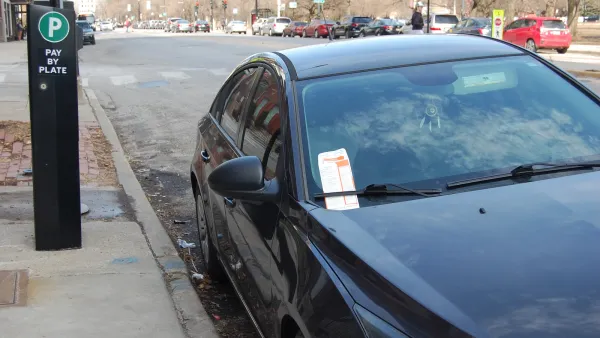
Chicago parking meters are for sale once again
Chicago's 75-year lease of its parking meters to an LLC puts revenue decisions in the hands of private investors.
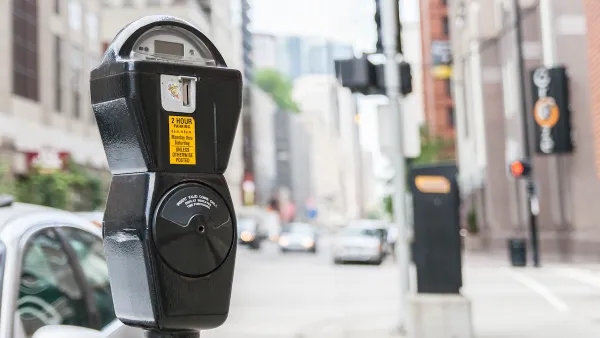
Why Chicago Doesn’t Own its Parking Meters
More than a decade ago, the city sold control of its curb parking to private investors.
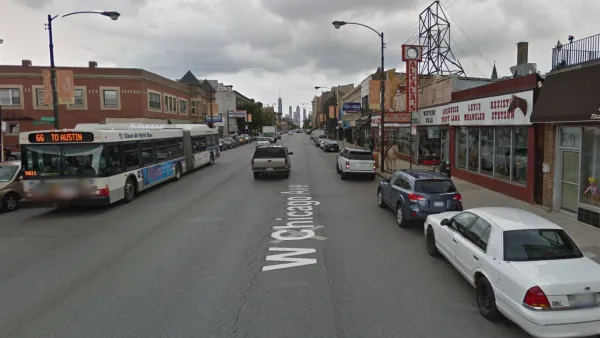
Opinion: Chicago Needs an Office of Parking Management
The city of Chicago needs a local agency empowered to planning, studying, or managing parking, according to a recent opinion piece published by Streetsblog Chicago.

Planetizen Federal Action Tracker
A weekly monitor of how Trump’s orders and actions are impacting planners and planning in America.

‘Going backwards:’ Baltimore mayor, students rally against state's transit funding plan
Maryland's proposed six-year plan provides no funding for Baltimore’s BMORE bus program and reduces its road maintenance funding.

Detroit to transform waterfront with $2.2 billion investment
Developers will convert about 18 acres of unused parking lot space into civic spaces.

HUD modernizes 50-year-old manufactured housing framework
The Next Generation Manufactured Housing Action Plan establishes new energy-efficiency standards for manufactured homes, and new guidelines for anchoring them.

New CA housing laws tear down development red tape
Recently-signed legislation makes building starter homes and ADUs cheaper and faster in California.

Metrolink finishes first expansion in 20 years
The transit agency is now one of very few in the United States to connect two major airports.

FREE Course: Walkable City 1: Why Walkability?
After describing his path towards focusing on walkability as the essence of good planning, Jeff Speck marches through his five principal reasons for making more walkable places.
Reinventing Malls: Planning Alchemy—Turning Gray Fields Into Gold
The course focuses on the opportunities and imperatives that shape reinvention of mall sites.

One Hundred Miles
County of Mendocino
planning NEXT
The Architects Foundation
University of Cincinnati Online
Montrose County
Northern Illinois Transit Authority (NITA)
The Pocatello Development Authority