Replacing one lead pipe in Chicago costs around $31,000, while the national average cost sits at around $4,700 per line.


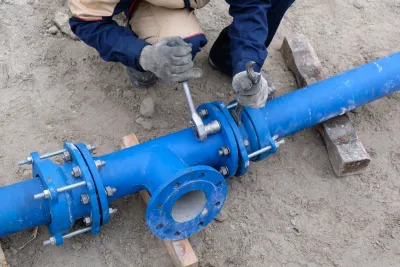
Chicago has the nation's largest inventory of lead water pipes — and spend more than six times the national average on replacing each one, according to an article in Grist by Juanpablo Ramirez-Franco, Keerti Gopal, and Clayton Aldern.
As the article notes, "Officials say replacing each one costs about $31,000 on average — more than six times the Environmental Protection Agency’s national estimate of $4,700 a line." As the city faces a federal mandate to replace all lead pipes within the next two decades, Chicago is looking at a $12 billion price tag.
A months-long review by Grist, Inside Climate News and WBEZ, the most significant factors driving up costs include "inefficient early contracts, cumbersome permitting requirements, and the city’s reliance on one-off replacements rather than undertaking whole blocks at once."
According to the article, "Officials with the water department said they see some room to bring expenses down as work ramps up. But they’ve also disagreed with outside experts who say Chicago’s high costs are unreasonable, and they don’t appear to be treating the drastic cost differential with other cities as a high priority to address." City officials say a lack of robust and flexible funding sources is adding to the problem. "Chicago needs to explain where the money is going and justify the cost," said Elin Betanzo, a national drinking water expert who helped uncover the Flint water crisis.
Read the full story: Why is it so unusually expensive to replace lead pipes in Chicago?


84% of Chicago's Pipes Contain Lead — and They're Not Equally Distributed
The city’s Black and Latino communities are most impacted, but the issue is widespread across the city’s water distribution network.
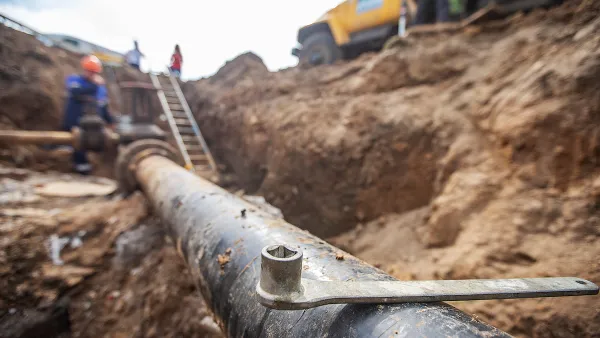
EPA Calls for Eliminating Lead Water Pipes in 10 Years
The mandate doesn’t include additional funding, prompting backlash from utility companies.
How the U.S. Environmental Protection Agency Failed the People of Flint
While blame squarely lays with Michigan state officials, agencies, and possibly Gov. Rick Snyder himself, the EPA also played a role by both detecting the cause of the problem but not acting on the reports of improper treatment of river water.

Planetizen Federal Action Tracker
A weekly monitor of how Trump’s orders and actions are impacting planners and planning in America.

Amtrak, CN end decades-long dispute with eight-year agreement
The new operating agreement establishes an updated framework for the companies to work together, including processes to resolve disputes.

Northwest rail fans eager for Sept. 30 debut of Amtrak’s Airo fleet
Get ready for that new train smell and more seats. But they won’t go faster or run more frequently on the Cascades route in Washington and Oregon.

NYC to turn city-owned property into thousands of homes
The city has scheduled a public hearing regarding the development for October.

Buses travel at 5mph along this route in NYC. The Bronx's first-ever busway looks to change that
Prior to the busway, buses on the Bx36 route traveled as slowly as 5 miles per hour.

Pittsburg launches 'EZ permits,' aims for one-day turnaround for low-risk permits
The pilot ‘fast lane’ for permits is part of a bundle of modernization efforts for Pittsburg’s permitting process.

FREE Course: Walkable City 1: Why Walkability?
After describing his path towards focusing on walkability as the essence of good planning, Jeff Speck marches through his five principal reasons for making more walkable places.
Reinventing Malls: Planning Alchemy—Turning Gray Fields Into Gold
The course focuses on the opportunities and imperatives that shape reinvention of mall sites.

City of Thousand Oaks
City of Wisconsin Rapids
Harvard University Graduate School of Design
The Architects Foundation
University of Cincinnati Online
The Pocatello Development Authority
The Urban Renewal Agency of the City of Pocatello