A new book profiles women leaders shaping the future of modern cities. These are some of their stories.


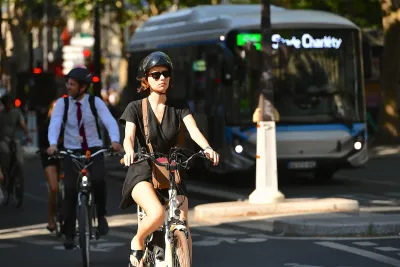
The transportation and urban planning sectors have a gender problem. Despite women graduating from engineering and planning programs at the same rate as men, the industry remains male-dominated at the management and executive levels — where the field is 86% male in the United States, 80% in Asia, and 78% in the European Union. In spite of this, women are driving some of the most consequential urban transformations happening in cities now. Our latest book, "Women Changing Cities," tells their stories, shining a light on these incredible women and showing what is possible when leadership reflects our communities.
The book spans 11 geographies, profiling 19 women in leadership: mayors, civil servants, entrepreneurs and advocates who, through their work, are fundamentally reimagining how cities can and should function. A brief preview of some of their stories are below. What unites these women across wildly different cultural and political contexts are five recurring themes: a commitment to listening and empathy; an intersectional, long-term vision; care as a social value; the power of coalition-building; and the courage to prioritize having an impact over holding on to power and pushing through the opposition.
Through these stories we demonstrate that cities designed with women in mind become safer, more accessible and more livable for everyone — regardless of age, income, ability or identity.
-
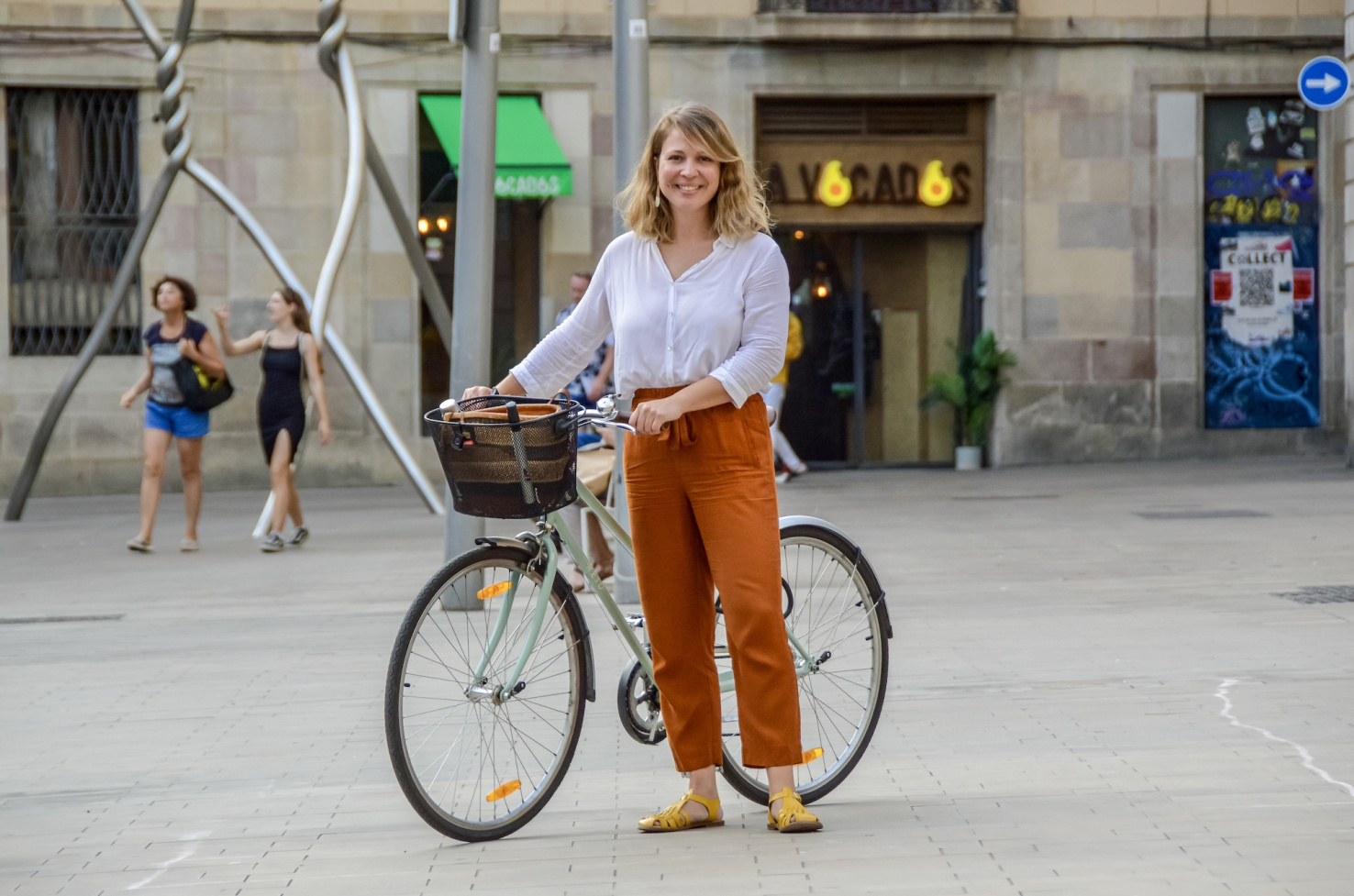
Janet Sanz, BARCELONA, SPAIN
Janet Sanz, Deputy Mayor for Ecology, Urban Planning, Infrastructure and Mobility at Barcelona City Council, has led a transformative portfolio in the city since 2015. A specialist in urban planning and environmental policy, Sanz oversaw the Superblock program, a revolutionary urban model in which public space is prioritized for people over cars. Sanz expanded green urban design initiatives and led with evidence-based approaches to transportation planning. Her tenure shows how thoughtful urban policy can both address environmental challenges, improve public health, and make life better for residents across different neighborhoods.
-
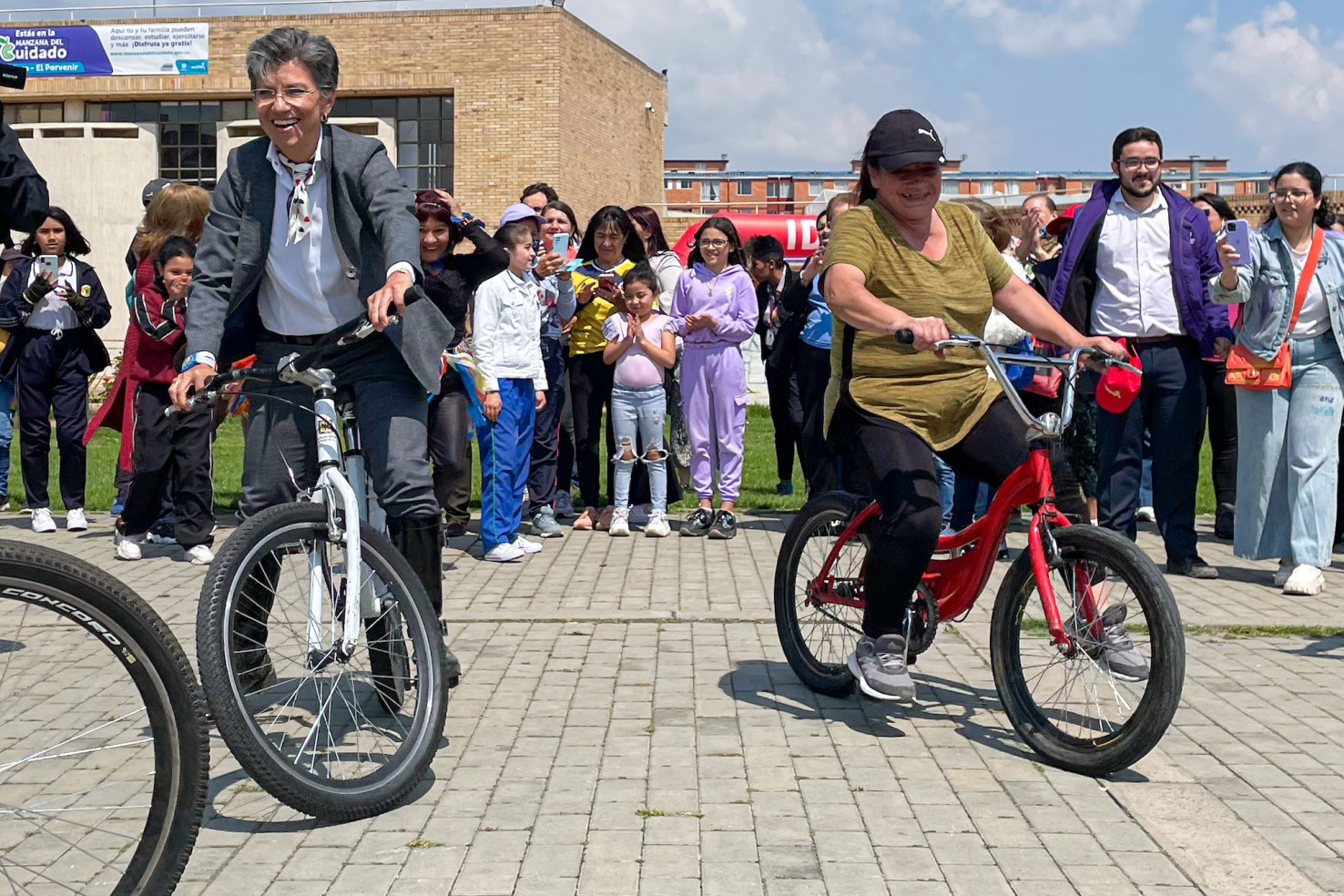
Claudia López, BOGOTÁ, COLOMBIA
Claudia López Hernández made history as Bogotá's first female and first openly LGBTQ+ mayor when she was elected with more than 1.1 million votes. López’s work is marked by a strong commitment to social equity, environmental sustainability, anticorruption measures and women's rights. As a progressive advocate, her mayoral administration prioritized vulnerable populations and systemic urban challenges, including the landmark "Care Blocks", which featured community hubs providing childcare, elder care and social services, reframing care work as a public urban value. Her election transformed Bogotá, signaling a political shift toward progressive urban governance focused on social inclusion and environmental stewardship.

-
Kalpana Viswanath, DELHI, INDIA
Kalpana Viswanath is a social researcher with over 25 years of experience addressing gender, safety and inclusive urbanization. She co-founded Safetipin, a social enterprise that uses mobile technology and community-generated data to improve women's safety in urban public spaces. She uses an innovative approach to addressing street harassment and violence against women through data-driven urban interventions. In 2016, Safetipin conducted safety audits identifying 7,800 dark spots across the city and provided geotagged photographic evidence to municipal authorities. The result is that nearly 70% of those identified locations have better lighting and infrastructure. Working across more than 30 cities in India and other developing nations, Safetipin has created a replicable model to improve women's safety in public spaces. A global leader on urban safety, Viswanath demonstrates how participatory data collection from women's perspectives can transform how cities plan and maintain public spaces, ensuring urban environments that allow all residents to move safely and freely.
-
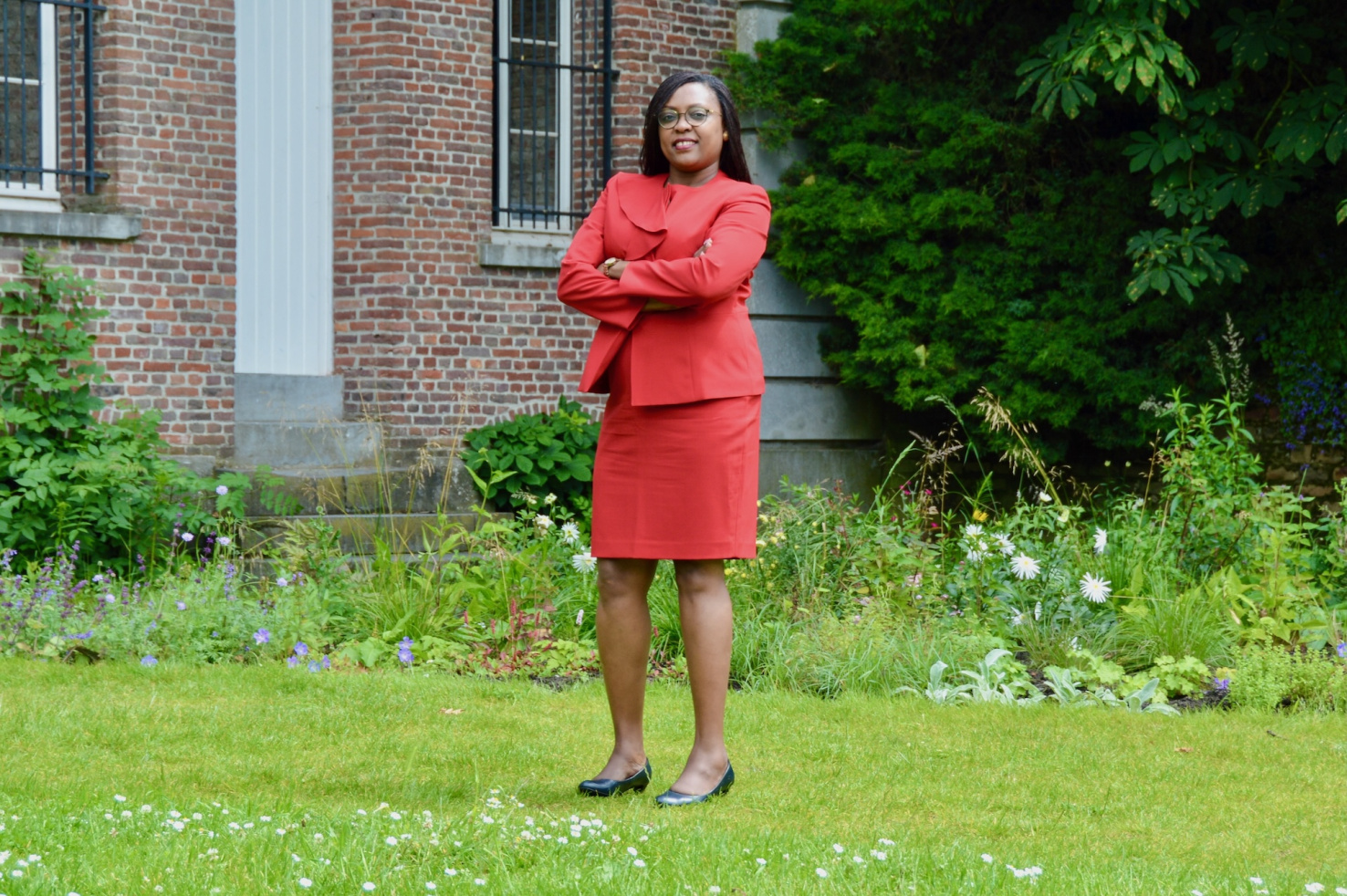
Amanda Ngabirano, KAMPALA, UGANDA
Amanda Ngabirano is an urban planner, academic in East Africa. Her work focuses on integrating bicycle transport into city planning and is shaped by her distinctive approach to Kampala's urban challenges. She was initially known for developing an idea that colleagues initially deemed impractical: creating a dedicated road in Kampala exclusively for pedestrians, wheelchairs and cyclists while excluding motorized traffic. When the Kampala Capital City Authority accepted her proposal, Namirembe Road became a realized model of accessible, inclusive urban design. Her work focuses on transforming urban planning processes through creative methods and addressing climate-resilient transport challenges specific to African cities. Ngabirano exemplifies how knowledge developed in local contexts can be scaled into models for sustainable urban development across the Global South.
-
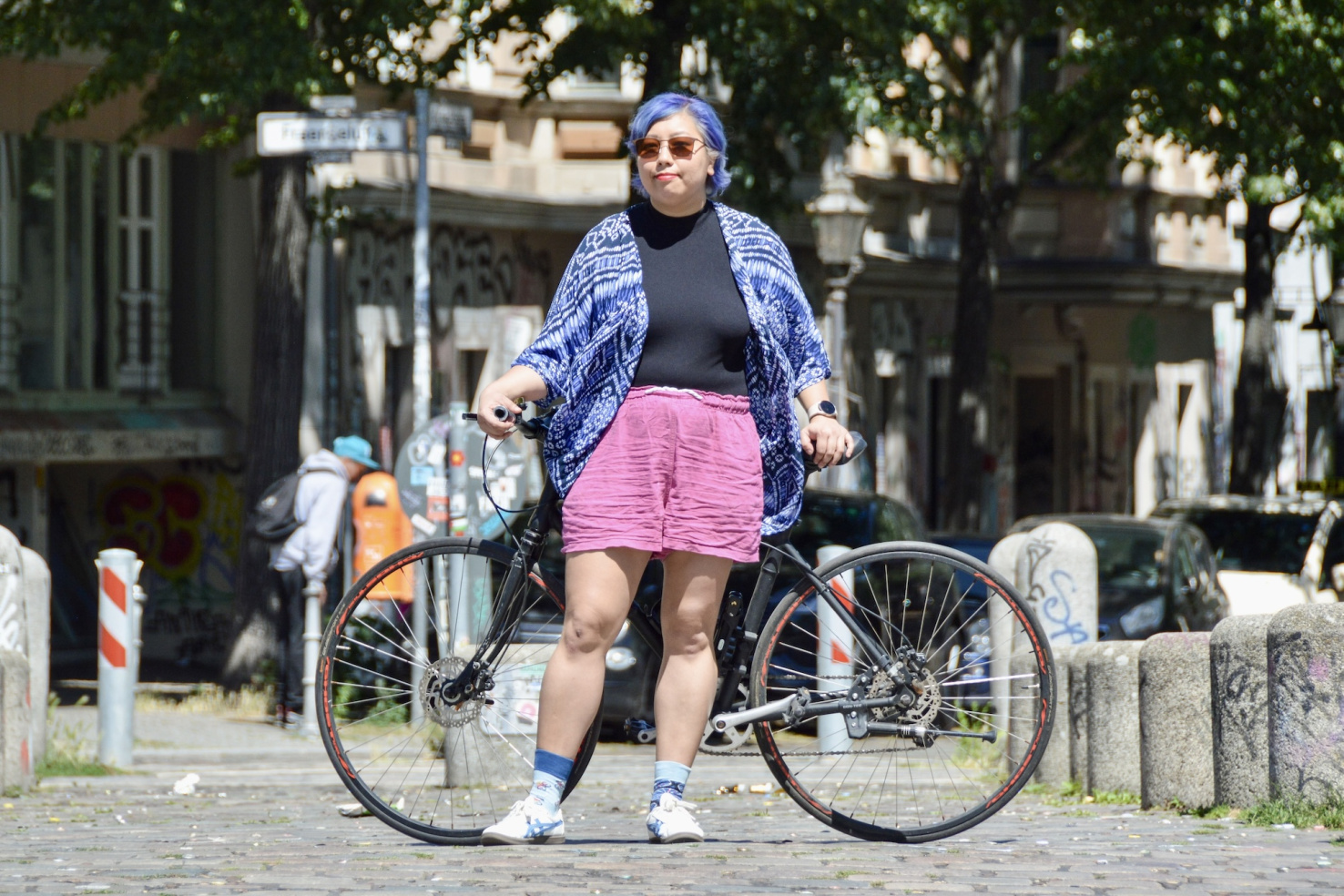
Keisha Mayuga, MANILA, PHILIPPINES
Keisha Mayuga is an environmental planner and urban mobility advocate who has become a prominent voice for sustainable transportation in Metro Manila. An integral member of both the Move As One Coalition and AltMobility Philippines, she advocates for evidence-based cycling infrastructure design and improved public transportation in Metro Manila. Drawing on her own experience as an urban cyclist navigating Manila's congested streets, she directly challenged misconceptions about bike lane safety, arguing that dedicated cycling infrastructure is safer. Her work combines technical planning expertise with lived experience navigating the city's transportation challenges. She uses cost-benefit analysis and rigorous policy development for cycling infrastructure that ensures that mobility decisions rest on solid evidence. Mayuga represents a league of urban advocates that combines professional expertise, community engagement and feminist perspectives to advance inclusive, safe mobility systems.

-
Laura Ballesteros, MEXICO CITY, MEXICO
Laura Ballesteros Mancilla is a transport and mobility policy specialist who has fundamentally shaped Mexico City's approach to transportation equity and safety. As Undersecretary of Planning in the Mobility Secretariat of Mexico City's government working with civil society organizations and then-Mayor Miguel Ángel Mancera, she implemented the Mobility Law through specialized policy frameworks, ensuring active mobility, road safety and integrated transportation systems took priority. This legislation was transformative, explicitly recognizing mobility as a fundamental right and establishing pedestrians as priority road users above all others. She also pioneered Mexico City's regulation of on-demand mobility services, such as Uber and Cabify, making it the first city in Latin America to establish a regulatory framework for these platforms. She effectively demonstrated how urban leaders can balance innovation with equity by ensuring that new mobility services operate within frameworks that protect workers and users.
-
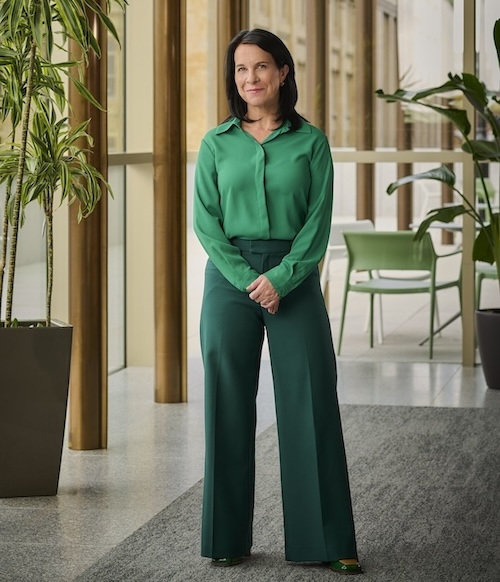
Valérie Plante, MONTREAL, CANADA
Valérie Plante made history on November 5, 2017, when she was elected as Montreal's 45th mayor, becoming the first woman to lead the city in its 375-year history. Plante's upset victory signalled Montreal's readiness for transformative urban leadership. Educated in anthropology, museology and multiethnic intervention, she brought academic training in social analysis to the mayoralty. Montreal's voters reaffirmed their support in November 2021, giving her a second term.
During her tenure, Plante made sure progressive urban transformation centered on four pillars: expanded public transit access, enhanced urban planning, improved public services and environmental protection. Her vision for Montreal balanced growth with sustainability and equity. She championed the expansion of cycling infrastructure and pushed Montreal to become more walkable, liveable and climate-resilient. Her tenure represents a significant moment in Montreal's urban governance, demonstrating how cities can pivot toward sustainability and equity through determined leadership. Her impact extends beyond Montreal, influencing how Canadian cities approach urban mobility, housing policy and environmental sustainability, and positioning Montreal as a progressive model for North American urban leadership.
-
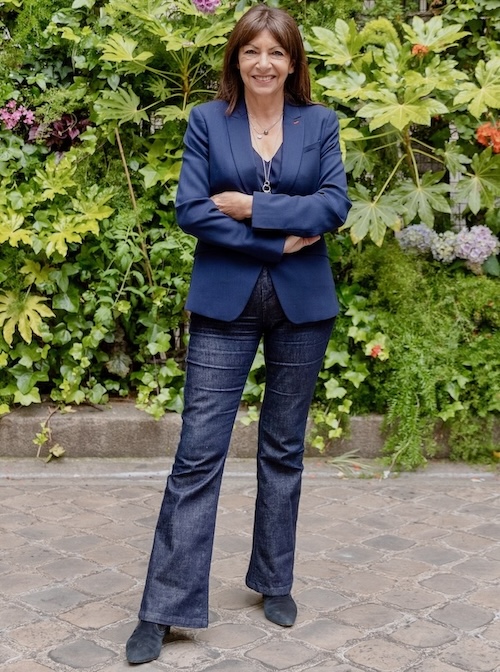
Anne Hidalgo, PARIS, FRANCE
Anne Hidalgo, born in Spain and now a French citizen, served as Mayor of Paris starting in 2014, making her the first woman to lead the French capital in its modern history. Hidalgo built her mayoral tenure on environmental sustainability and urban transformation. Her mayoralty was defined by ambitious programs modernizing Paris's public spaces and transportation systems. She launched the Réinventer Paris program, which repurposed obsolete urban sites and opened new uses to address the city's changing needs. She pioneered participatory budgeting, giving Parisians direct voice in deciding how municipal resources were allocated. Recognizing that pedestrians and cyclists were vital to Paris's future, Hidalgo dramatically expanded cycling infrastructure and walking networks. Hundreds of miles of new cycle lanes were created, making Paris increasingly bike-friendly and reducing car traffic in the city centre. Her environmental focus and progressive urban policies positioned Paris as a leading model for sustainable cities across Europe, and she served as a prominent voice on climate action for urban leaders globally.
-
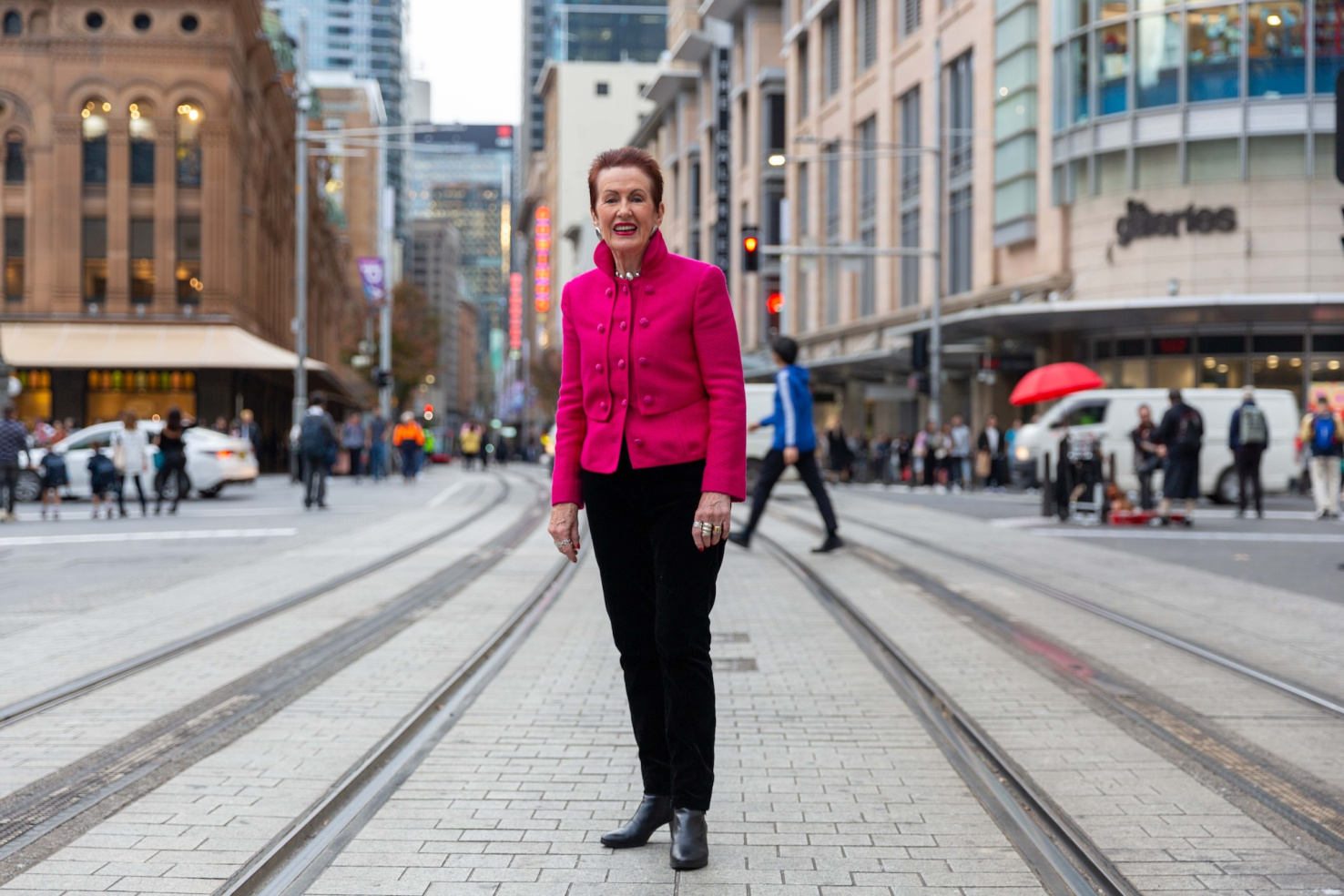
Lord Mayor Clover Moore, SYDNEY, AUSTRALIA
Clover Moore is Australia's longest-serving Lord Mayor, having held the position since 2004 — more than two decades of continuous municipal leadership. She is the 82nd Lord Mayor of the City of Sydney and the first popularly elected woman to lead the city. Moore's tenure spans transformative decades in Sydney's urban history, during which she has shaped the city's identity as a leader in sustainability, livability and cultural vitality. In September 2024, she was re-elected to a sixth term, demonstrating sustained community support for her vision.
Moore's signature achievement is initiating Sustainable Sydney 2030, an internationally recognized long-term strategic plan designed to secure Sydney's future as a leading green, liveable and creative city. Moore's two decades at the helm have shaped Sydney's identity as an environmentally responsible, culturally vibrant global city committed to livability, equity and addressing climate change.
-
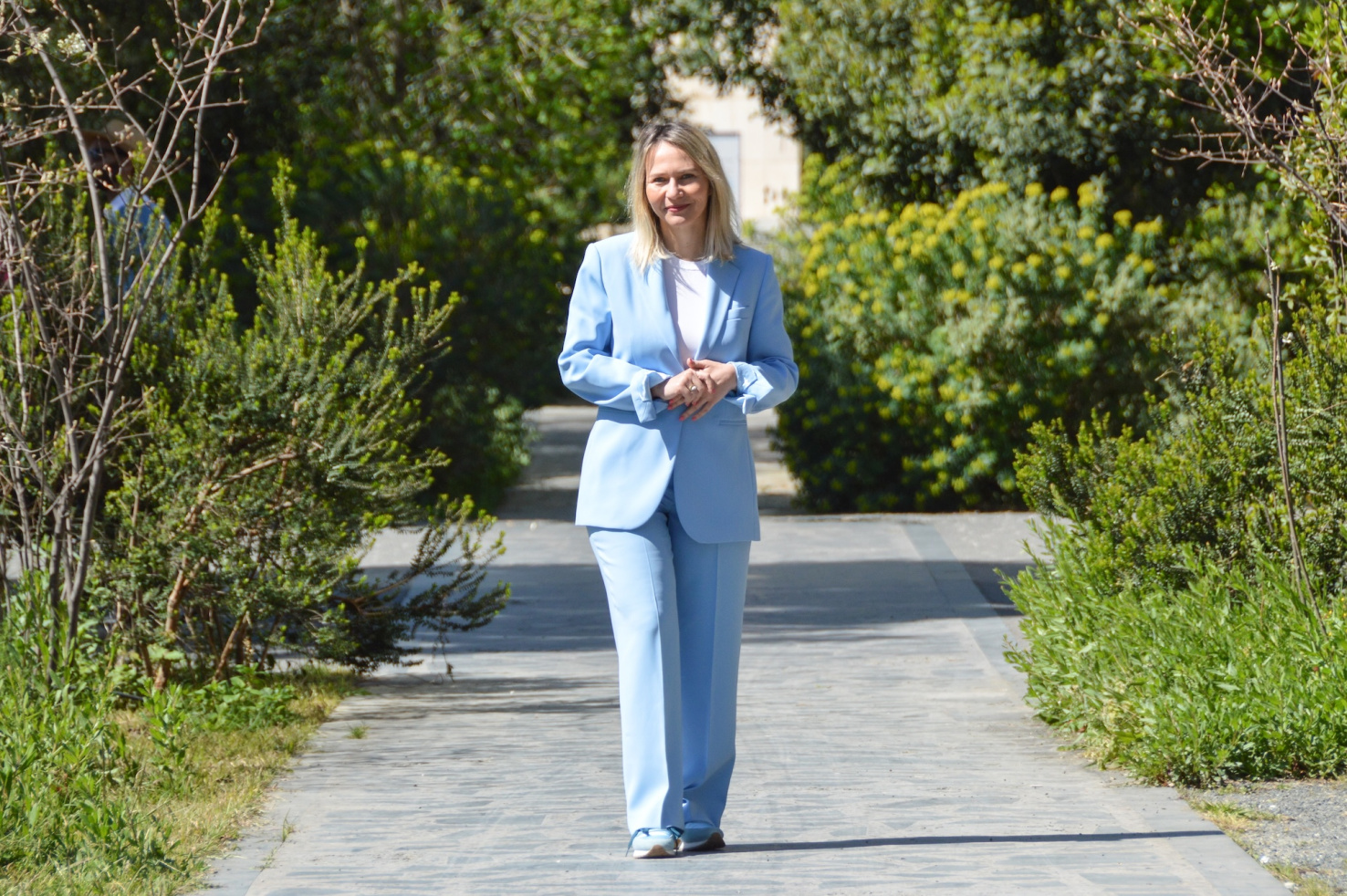
Anuela Ristani, TIRANA, ALBANIA
Anuela Ristani serves as Deputy Mayor of Tirana for International Affairs and Sustainable Development, holding a position that bridges Tirana's engagement with global networks and its internal urban transformation. She joined the City of Tirana in 2015 as Chief of Staff to Mayor Erion Veliaj and was appointed Deputy Mayor following his re-election in 2019. She has overseen the Green City Action Plan, positioning Tirana as an environmentally conscious Balkan capital. She led the Tirana Child-Friendly agenda, recognizing how cities must ensure the needs and safety of their youngest residents. Ristani also championed the city's Resilience and Sustainability strategies, addressing climate change and social equity holistically. Before entering municipal government, Ristani established the National Youth Service and co-founded RYCO — the Regional Youth Cooperation Office — bringing together six Western Balkan countries in youth-focused collaboration. This background in youth development and regional cooperation enriched her approach to governance. Ristani demonstrates how cities in emerging democracies can engage internationally while addressing local sustainability and equity challenges.


Celebrating Women Urbanists
This International Women’s Month, we look back on our list of Most Influential Urbanists to highlight the contributions of women in urban planning and urban design.
Bogota's next big urban innovation: Equity for working women
The city that brought BRT and Ciclovía to the world is at the forefront of a new revolution.

Everything you Need to Know from the APA’s 2026 Trend Report for Planners
Plus, a conversation with the APA’s Chief Foresight and Knowledge Officer, Petra Hurtado.

The state-sanctioned urbicide of Austin
People don’t kill cities. Freeways do.

US to reduce Colorado River water deliveries to Mexico
A new Colorado Treaty amendment reduces Mexico’s Colorado River water allocation by 250,000 acre feet.

New Jersey’s second-largest city bans standalone data centers
Jersey City will continue to allow co-location facilities, such as those meant for research institutions that store their own data.

Amtrak not solely to blame for New Jersey commuter rail's unreliability, report finds
A new study from the Garden State Initiative found that NJ Transit’s budget grew 20% across a 4 year period, but reliability declined significantly over the same period.

EPA erases limits on planet-warming pollution from power plants
Under Monday’s plan, power plants would still have some limits on how much mercury, arsenic and other contaminants they can emit.

Phoenix announces new on-demand transit service, more frequent RAPID buses
Both new services will launch in October, and are part of Phoenix's Project Effective Access Solutions for Easing Congestion.

FREE Course: Walkable City 1: Why Walkability?
After describing his path towards focusing on walkability as the essence of good planning, Jeff Speck marches through his five principal reasons for making more walkable places.
Reinventing Malls: Planning Alchemy—Turning Gray Fields Into Gold
The course focuses on the opportunities and imperatives that shape reinvention of mall sites.

Eagle County Government
Harvard University Graduate School of Design
Nashville Planning Department
The Architects Foundation
University of Cincinnati Online
The Pocatello Development Authority
The Urban Renewal Agency of the City of Pocatello
Journal of the American Planning Association

