A report from the city's Citizens Budget Commission recommends subsidizing fares for more low-income subway riders rather than making buses free for everyone.


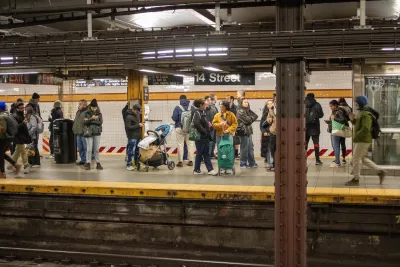
New York City's Citizens Budget Commission issued a report that argues that the $900 million it would take to establish Mayor Mamdani's free bus plan would be put to better use subsidizing subway fares for low-income residents.
As Ramsey Khalifeh explains in Gothamist, raising the income threshold for the MTA's Fair Fares program from 150% of the federal poverty line to 250% would do more to help poor New Yorkers who depend on the subway for daily transportation. "The nonprofit estimated increasing the income limit would cost taxpayers $232 million a year, up from the $86 million the program currently spends annually."
"Nearly three-quarters of them who use transit to get to work use the subways. And so if we expand Fair Fares, we're giving them the choice that works best for them," said CBC President Andrew Rein. According to data analyzed by the CBC, making buses free wouldn't reduce the cost of travel for most riders, since 86% of daily trips are made on the subway and 12% of bus riders who transfer to the subway would still have to pay the subway fare.
FULL STORY: NYC budget hawks say subway discounts for the poor are better than free buses for all

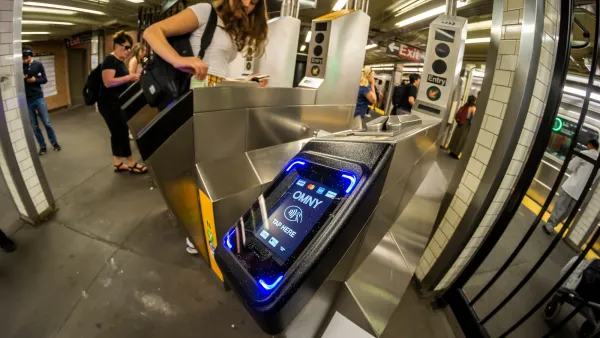
Popular transit payment system linked to Palantir could give ICE access to rider data
The tap-to-pay system is being used widely in transit systems including New York City, Boston and Chicago.
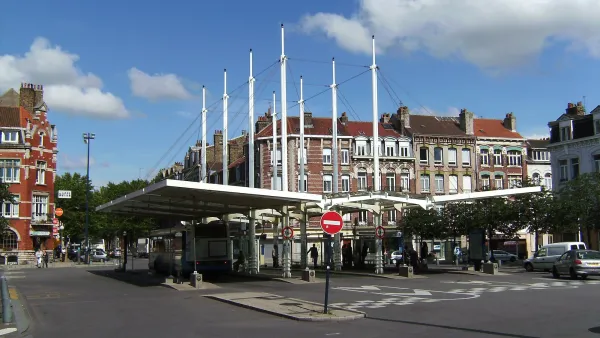
Zohran's Free Buses are Possible — Just Ask This French City
Dunkirk’s free buses are bringing social and economic rewards at a small cost to the city.
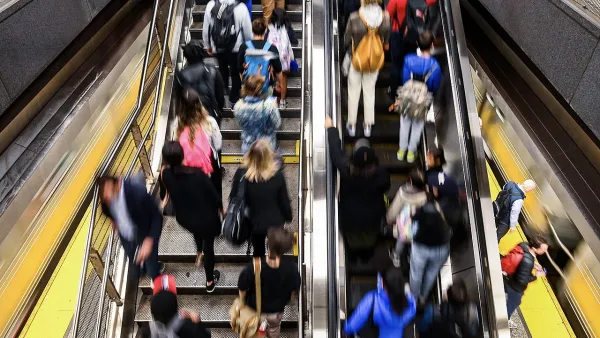
MTA Poised to Break Ridership, On-Time Service Records
New York City’s transit system saw strong increases in ridership and improvements in service quality in the first half of 2025.

The state-sanctioned urbicide of Austin
People don’t kill cities. Freeways do.

US to reduce Colorado River water deliveries to Mexico
A new Colorado Treaty amendment reduces Mexico’s Colorado River water allocation by 250,000 acre feet.

New Jersey’s second-largest city bans standalone data centers
Jersey City will continue to allow co-location facilities, such as those meant for research institutions that store their own data.

Amtrak not solely to blame for New Jersey commuter rail's unreliability, report finds
A new study from the Garden State Initiative found that NJ Transit’s budget grew 20% across a 4 year period, but reliability declined significantly over the same period.

EPA erases limits on planet-warming pollution from power plants
Under Monday’s plan, power plants would still have some limits on how much mercury, arsenic and other contaminants they can emit.

Phoenix announces new on-demand transit service, more frequent RAPID buses
Both new services will launch in October, and are part of Phoenix's Project Effective Access Solutions for Easing Congestion.

FREE Course: Walkable City 1: Why Walkability?
After describing his path towards focusing on walkability as the essence of good planning, Jeff Speck marches through his five principal reasons for making more walkable places.
Reinventing Malls: Planning Alchemy—Turning Gray Fields Into Gold
The course focuses on the opportunities and imperatives that shape reinvention of mall sites.

Eagle County Government
Harvard University Graduate School of Design
Nashville Planning Department
The Architects Foundation
University of Cincinnati Online
The Pocatello Development Authority
The Urban Renewal Agency of the City of Pocatello
Journal of the American Planning Association